
Solving the Hard Genomes
Some genomes make you work for them.
They are too large, too repetitive, too degraded, too polyploid, or simply too poorly understood to move smoothly through a standard sequencing pipeline. They challenge researchers at every stage—from sample collection and DNA extraction to sequencing, assembly, curation, and annotation.
Yet these difficult genomes are also where the field advances most rapidly. In this Q&A, experts from across the Earth BioGenome Project network reflect on the challenges, setbacks, and breakthroughs that are expanding the limits of biodiversity genomics. Together, their perspectives reveal how persistence, collaboration, and innovation are transforming today's hardest genomes into tomorrow's routine workflows.
🌍 EBP experts answer the tough questions
Explore expert insights by clicking an image below.
What Makes a Genome Hard?
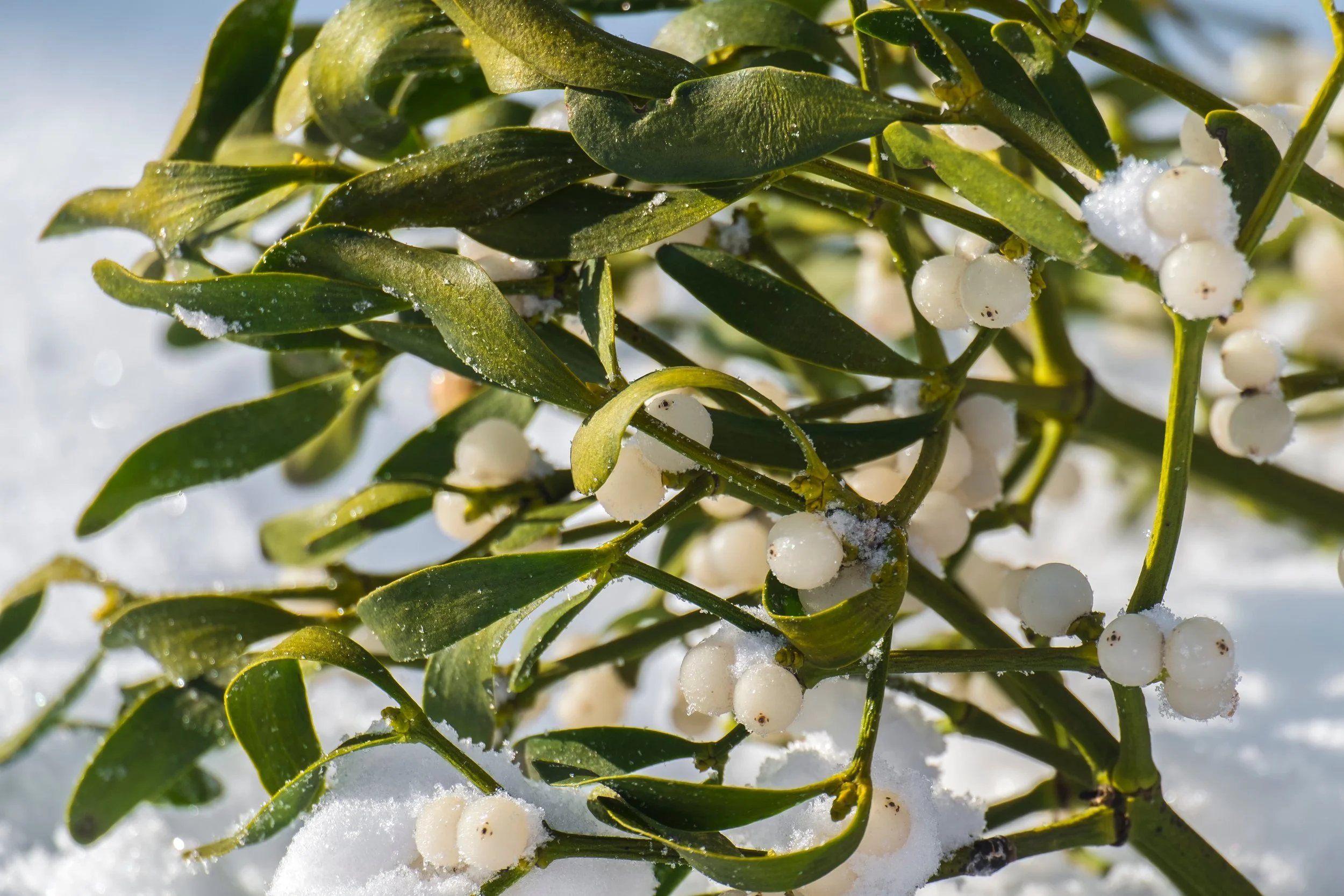
Failure, Persistence, and Breakthroughs
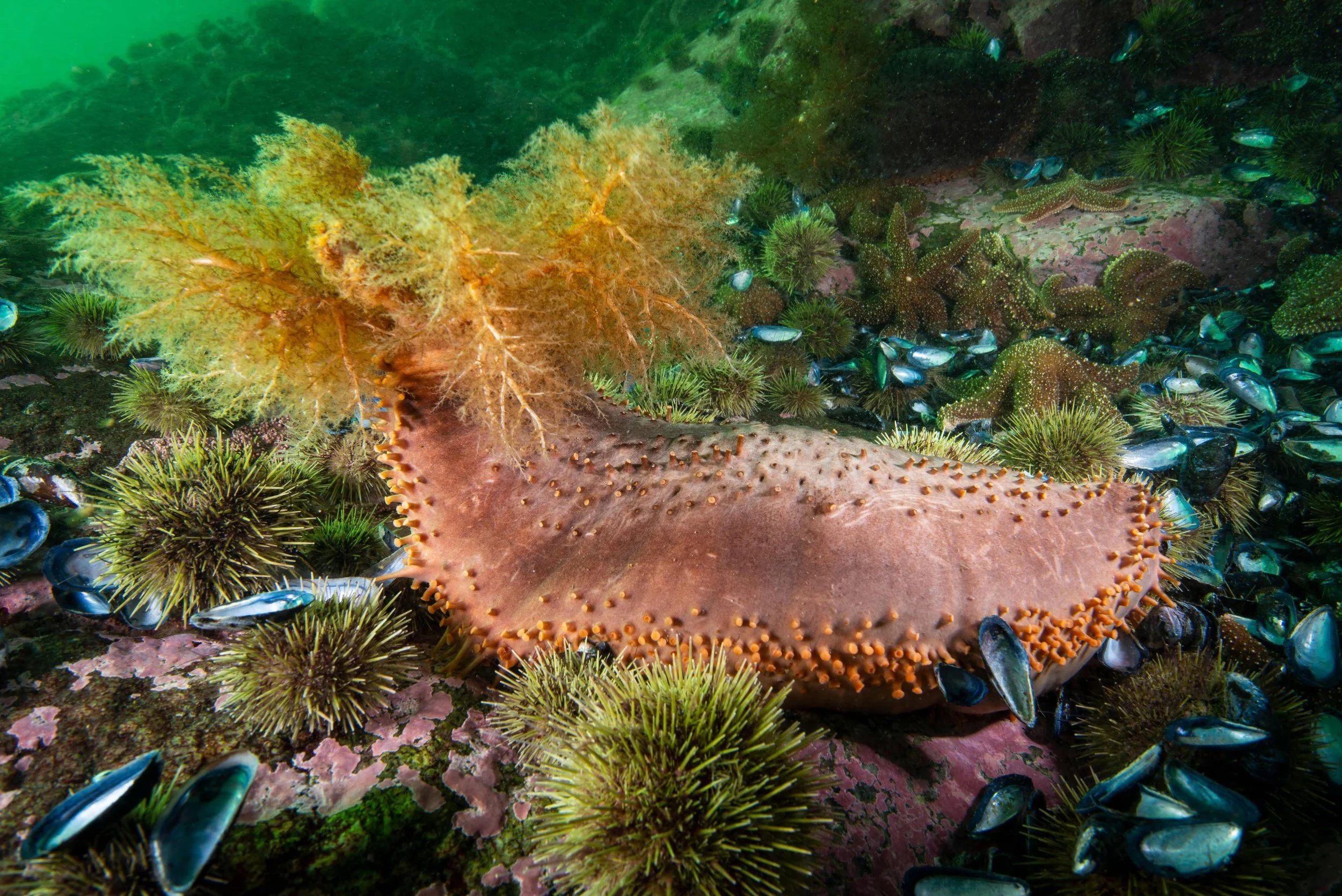
The role of global collaboration

The Next Genomic Frontier
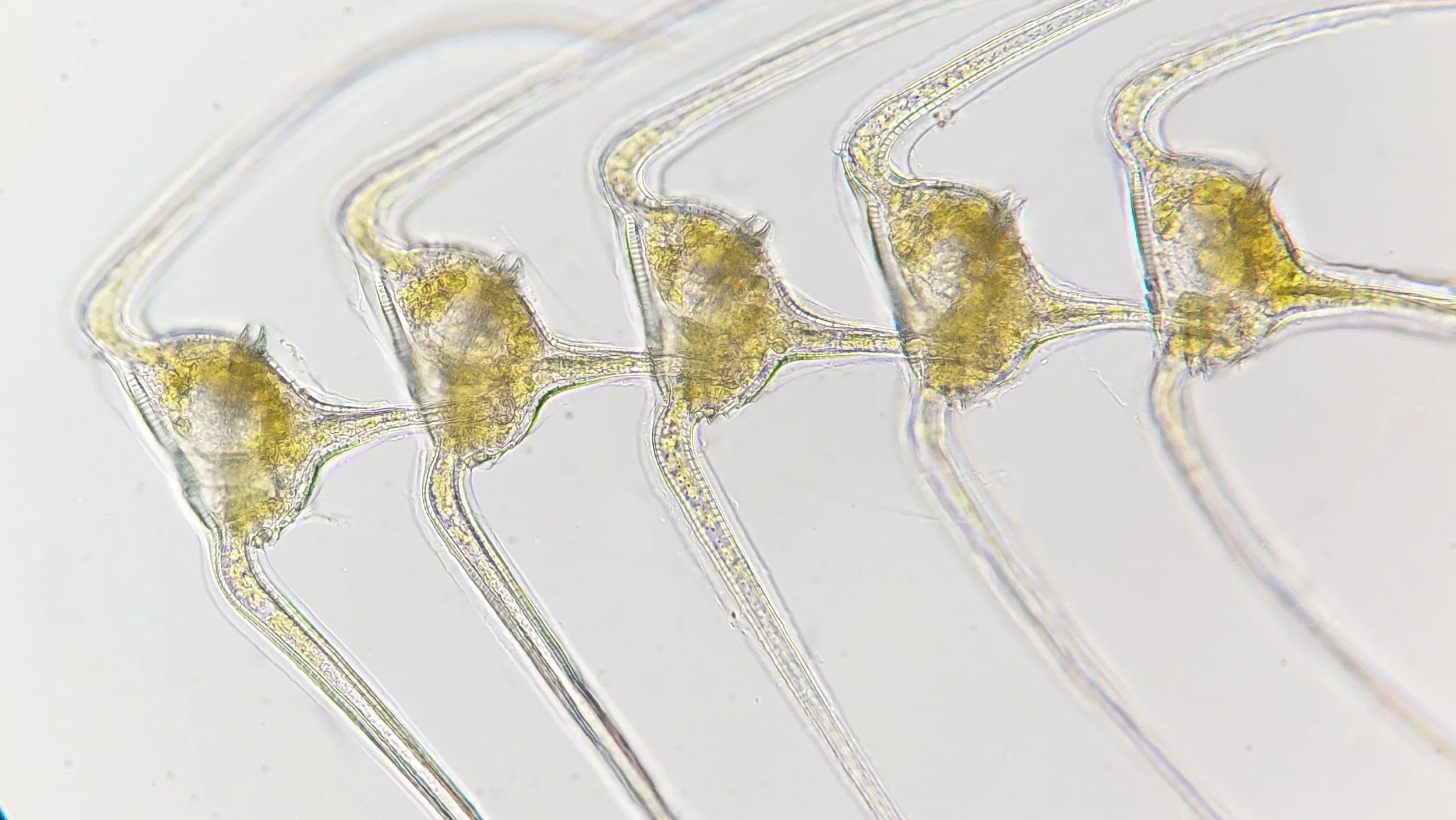
A Global Path Forward
The stories in this issue remind us that every difficult genome solved expands what is possible for the next. Each technical breakthrough, shared protocol, and international collaboration strengthens the foundation for sequencing biodiversity at ever greater scale. As the Earth BioGenome Project enters its next phase, success will be measured not only by the number of genomes produced, but also by how effectively knowledge is shared, methods are refined, and innovations are adopted across the global community. Together, these collective efforts are bringing us closer to the vision of sequencing all known eukaryotic life.
Compiled by: Dr Anna Bramucci (Earth BioGenome Project: Communications Lead)
Acknowledgements
This special feature was made possible through the generous contributions of researchers from across the Earth BioGenome Project community. We sincerely thank Mark Blaxter, Bouabid Badaoui, Kerstin Howe, Giulio Formenti, Amy Denton, Hugh MacIntosh, Tara Paton, and Kamil Jaron for sharing their expertise, experiences, and perspectives on the challenges and future of biodiversity genomics. Their willingness to reflect on both successes and setbacks provides valuable insight into the scientific innovation driving large-scale genome sequencing.
We also thank all contributors who provided photographs and supporting materials, and the institutions that continue to advance biodiversity genomics through collaboration, methodological innovation, and open sharing of knowledge. Together, these collective efforts embody the Earth BioGenome Project's vision of building the genomic resources needed to understand and conserve Earth's eukaryotic biodiversity.