
New Research Across the EBP Network
Across the Earth BioGenome Project network, researchers are delivering new reference genomes, methodological advances, and biological discoveries that are expanding our understanding of life on Earth. Together, these publications demonstrate the global impact of collaborative biodiversity genomics.
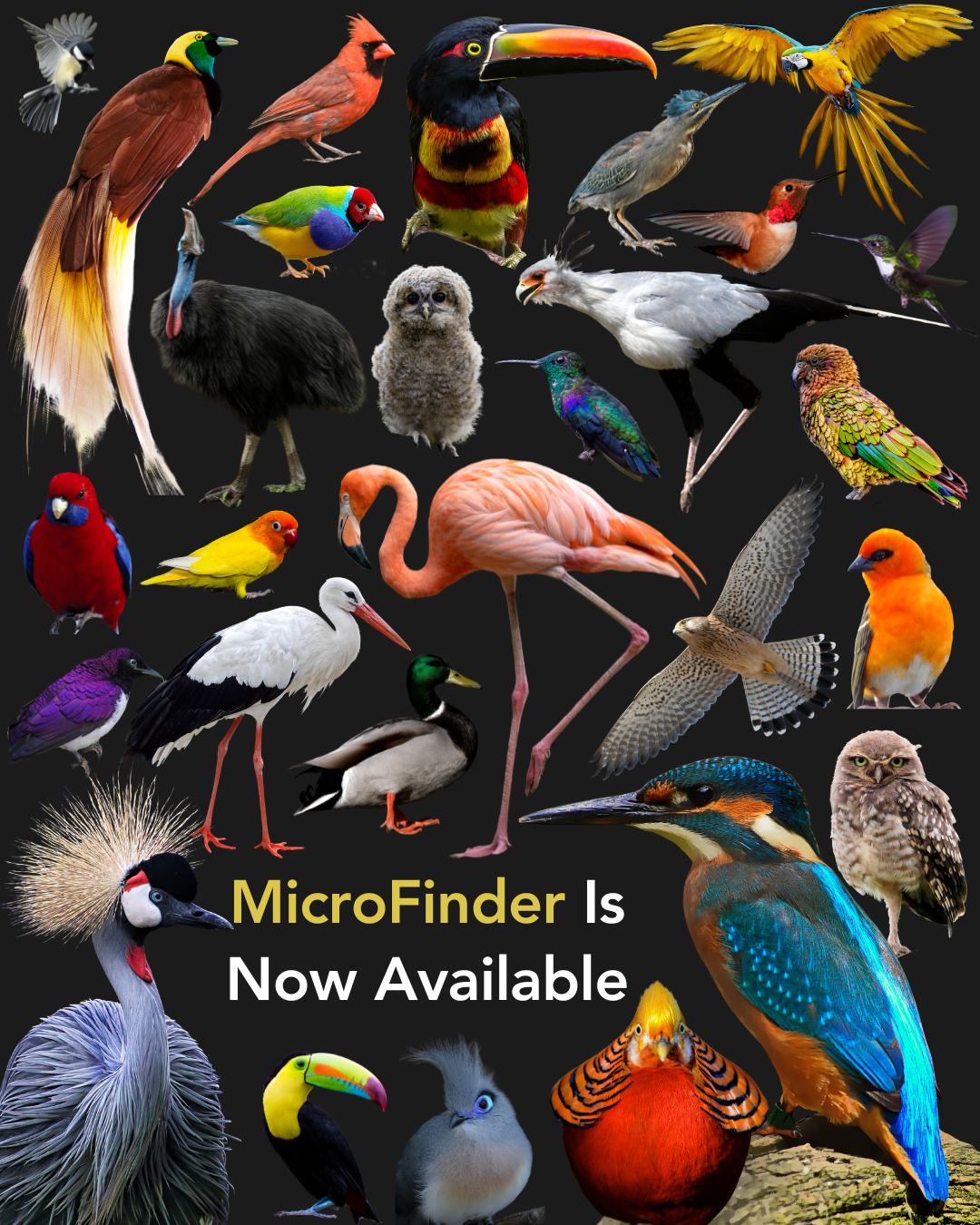
MicroFinder: conserved gene-set mapping and assembly ordering for manual curation of bird dot microchromosomes
“We recommend that MicroFinder be incorporated into bird genome assembly pipelines prior to manual curation to maximize the completeness of dot microchromosome assemblies.”
Tree of Life Programme
Authors: Mathers TC, Paulini M, Sotero-Caio CG, Wood JMD.
Journal: GigaScience (2026)
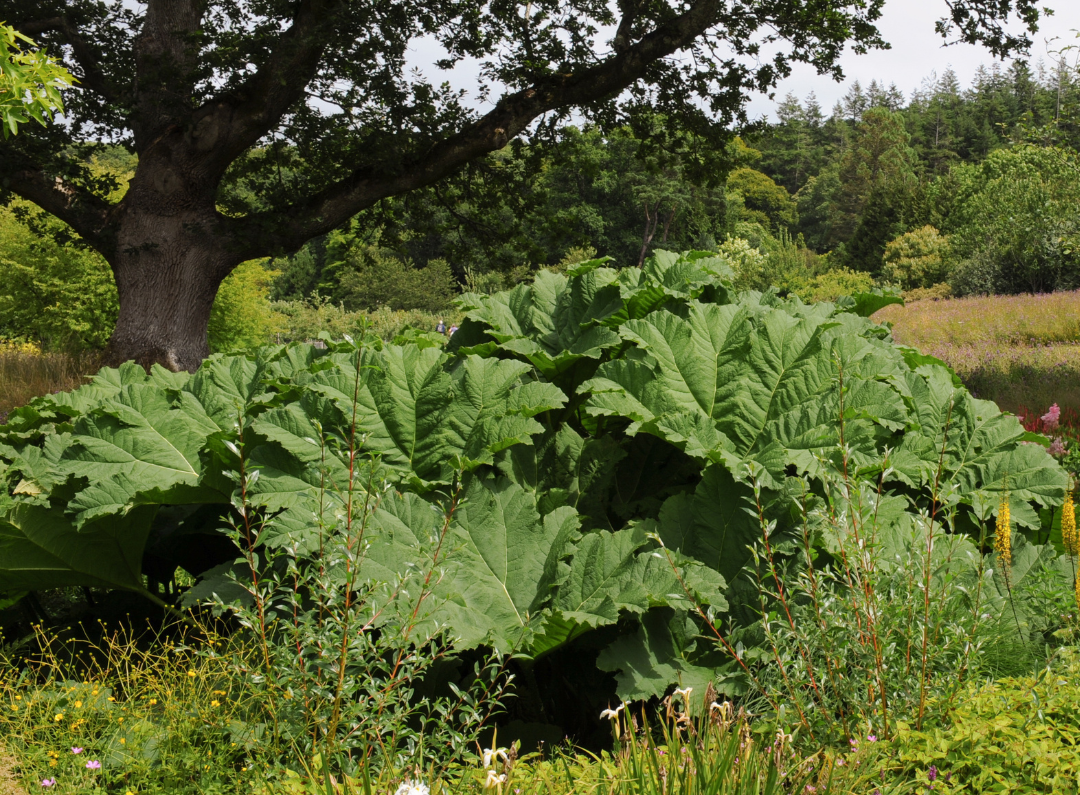
Gunnera manicata, the giant rhubarb, is one of the representative species highlighted in the PLANeT initiative—a global effort to generate high-quality reference genomes across the plant Tree of Life.
PLANeT: Understanding and leveraging the genome of land plants for a sustainable future
“When the data are probed with sophisticated AI-based algorithms, the mysteries hidden in each species will be unlocked.”
“The PLANeT consortium includes colleagues from the previously launched 10,000 Plant Genomes Project, the EBP, and DToL to achieve shared goals and realize a shared vision of genomics for the benefit of humanity.”
Authors: Wang, L., Amar, M., Arbizu, C. I., Bowman, J. L., Cannon, C. H., Cantrill, D. J., Cao, X., Chen, S., Chen, X., Chen, X., Chong, K., Deng, X., Weinan E, Guo, H., He, C., Hollingsworth, P., Hu, Q., Kong, H., Leitch, I. J., et al.
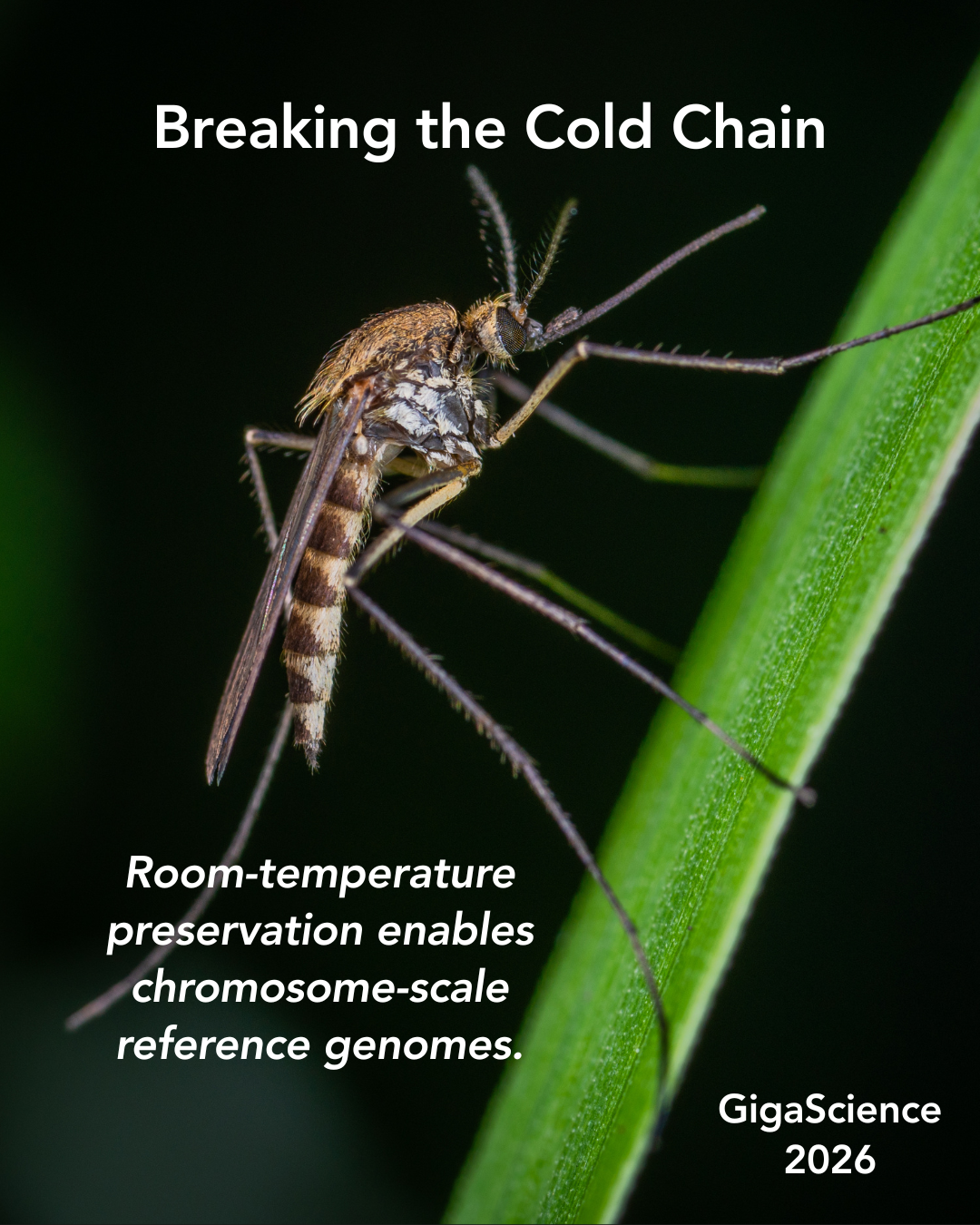
Breaking the cold chain: solutions for room temperature preservation of mosquitoes leading to high quality reference genomes
“Sequencing all 11,000 species will set a sound foundation for genomics and greatly foster monitoring of all Lepidoptera in Europe, empowering effective biodiversity management and policy, locally and globally.”
Project Psyche at the Wellcome Sanger Institute
Authors: Fiona Teltscher, Petra Korlević, Edel Sheerin, Alex Makunin, Mara K N Lawniczak.
Journal: GigaScience (2026)
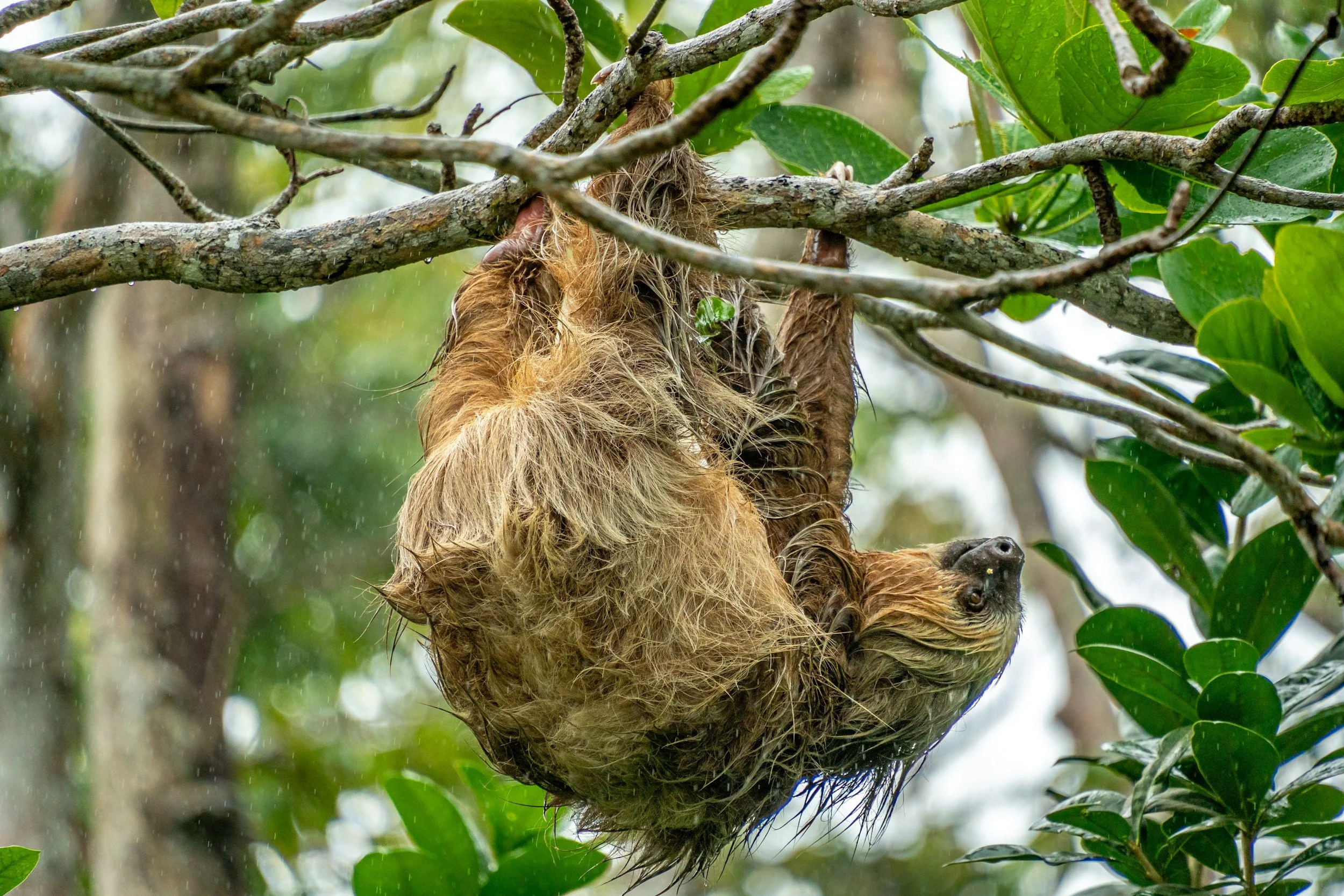
Linnaeus's two-toed sloth (Choloepus didactylus), one of the focal species in this study. Using new chromosome-level reference genomes, researchers found that sloths possess the highest retrocopy burden reported among mammals, providing new insights into how gene duplication has shaped the evolution of their distinctive biology.
Elevated retrocopy burden and sloth-specific expansions illuminate mammalian genome evolution.
“Altogether, our findings identify retrotransposition as a major contributor to the genomic architecture of the xenarthrans presented here and highlight retrocopy origination as a mechanism for generating lineage-specific novelty and, possibly, distinctive biological specializations.”
Authors: Marcela Uliano da Silva, Helena Beatriz da Conceição, Rafael L. V. Mercuri, Sylke Winkler, Gabriela D. A. Guardia, Eugene Myers, Shane McCarthy, Alan Tracey, Alexander Suh, Mark Blaxter, Pedro A.F. Galante, and Camila Mazzoni
Journal: BMC Biology (2026)