The Next Genomic Frontier
Today's hardest genomes may become tomorrow's routine projects. As sequencing technologies continue to advance, researchers are beginning to push beyond current limits—toward larger genomes, single-cell sequencing, complete chromosome assemblies, and the many branches of the Tree of Life that remain unexplored. Here, our contributors look ahead to the next frontier in biodiversity genomics.
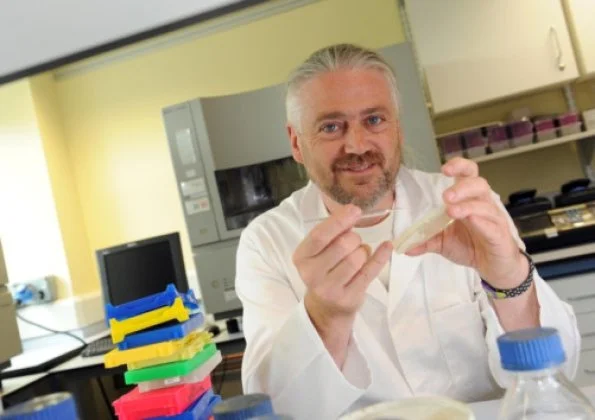
Mark Blaxter in the early days of his scientific career, streaking agar plates in the lab.
Will there always be “hard genomes,” or will advancing technologies eventually remove that distinction?
Mark Blaxter: I hope that amplification methods will improve to allow us to robustly sequence genomes from single cells. Currently, we can either sample bulk samples of multiple cells and hope that genetic diversity in the population we are sampling from will not interfere with assembly, or amplify partial genomes and attempt to combine single-cell datasets to make an estimate of the whole genome. We need to be able to reliably amplify and sequence the whole of a single cell’s genome.
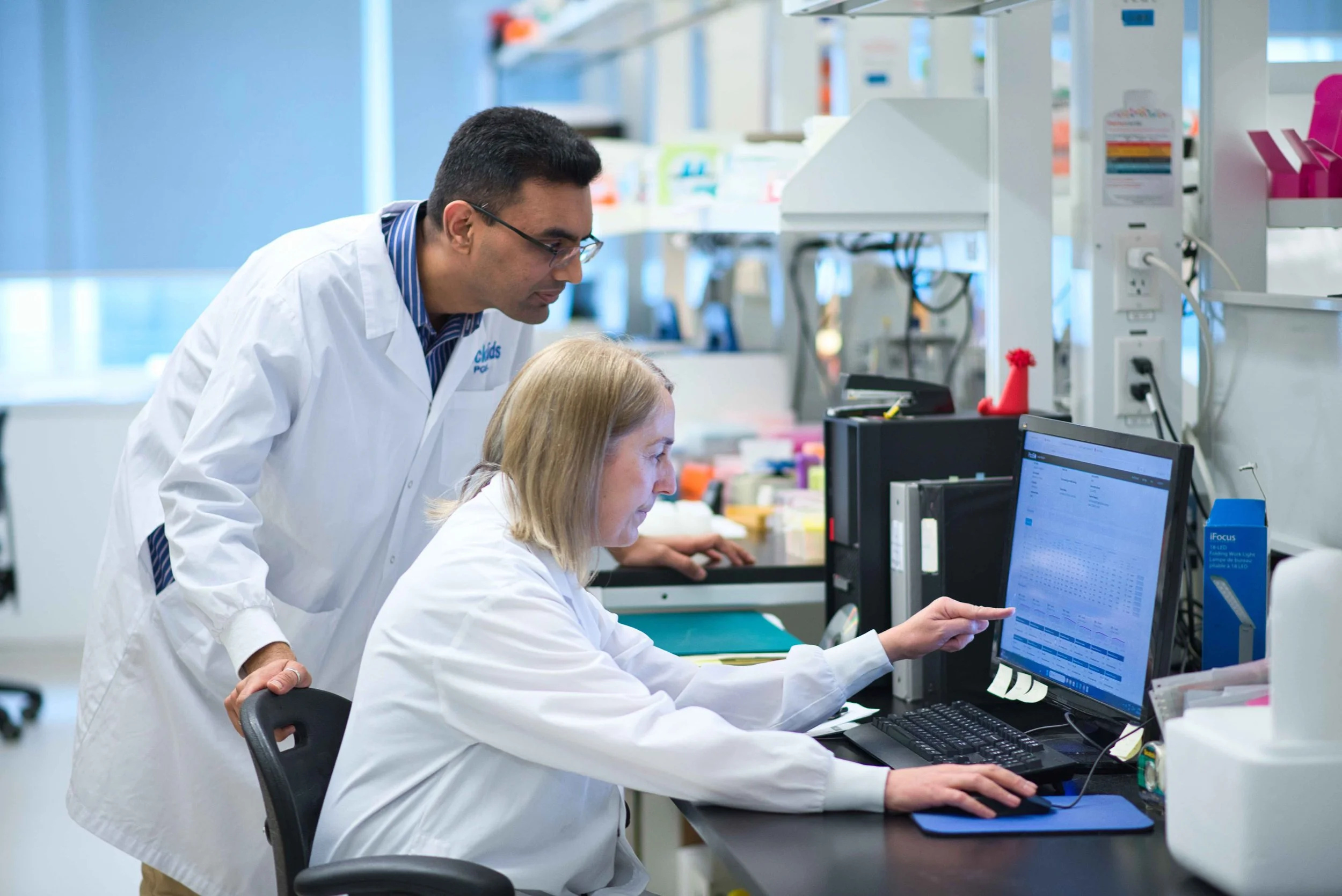
Tara Paton (seated) and Sachin Desai (standing) monitor a sequencing run, tracking flow cell occupancy, data output at key time points, and DNA fragment length. Team members not pictured: Lan He, Sanjeev Pullenayegum, and Karen Ho. Photo credit: Bank Engchuan
What frontier excites you most right now — scale, completeness, or reaching entirely new branches of the Tree of Life?
Tara Paton: What excites me most right now is that advances in sequencing technologies, assembly methods, and sample preparation are allowing us to tackle species that would have been impossible only a few years ago. Expanding high-quality genome assemblies across increasingly difficult and underrepresented branches of the Tree of Life feels like a major frontier for biodiversity genomics. I am particularly excited about sequencing more under-studied species from the oceans and Arctic regions. These regions are so central to Canada’s identity and the species that inhabit them are climate sentinels. Not to mention the untapped biodiversity to be discovered! The genomes of some of these species (for example plants, amphibians or even some insects) are massive compared to a human genome! These would have been considered out of reach (technologically or financially) only a few years ago but no longer because flowcells are producing more data (for the same cost) and we are gaining experience with difficult samples. Being part of the Canadian Earth BioGenome Project is an exceptional opportunity to gain knowledge and experience working with diverse samples, which will benefit many projects for years to come. More importantly, it allows us to contribute to the library of knowledge for Canadian species, which will undoubtedly help conserve and protect them.
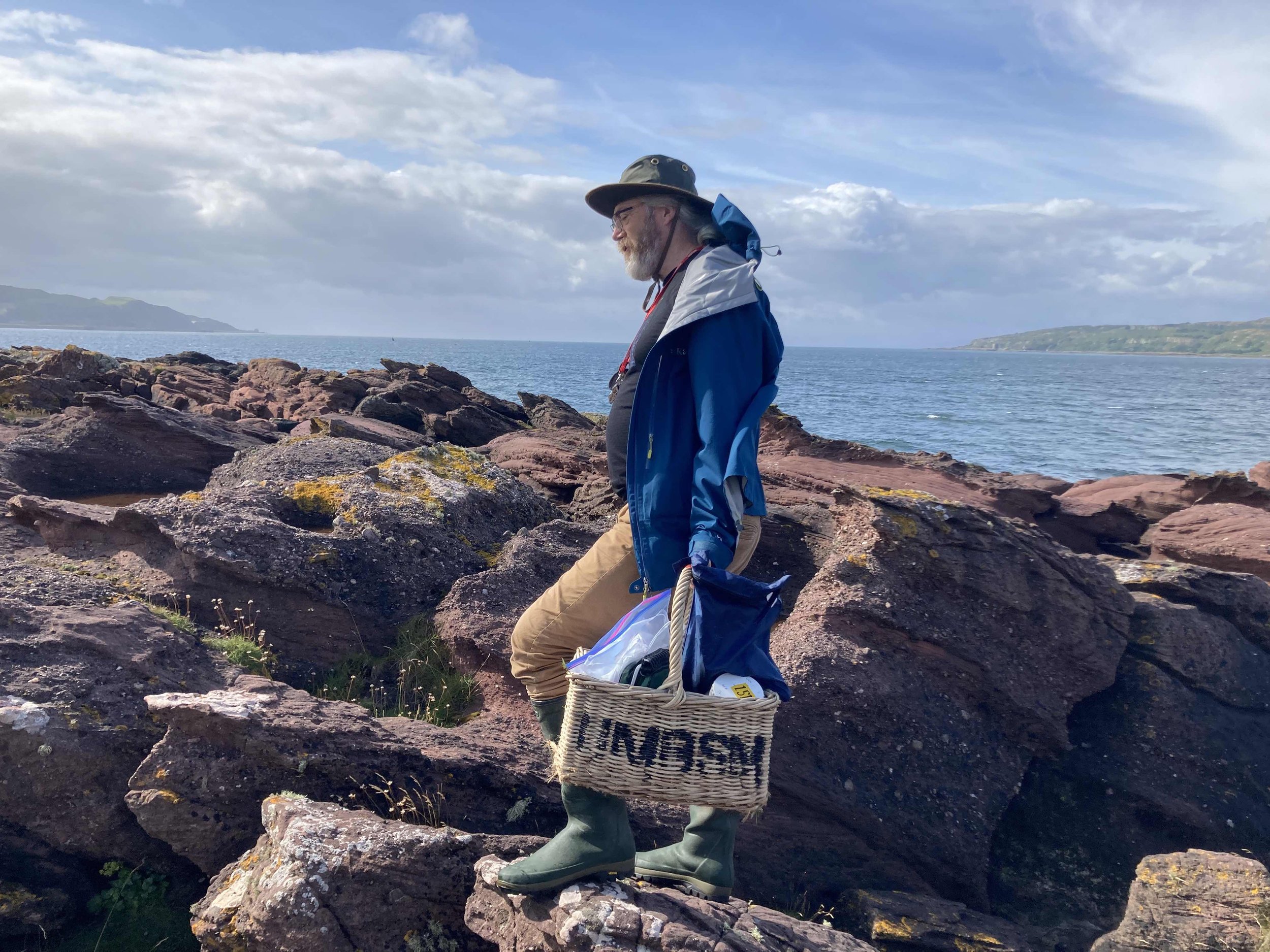
Professor Mark Blaxter is exploring the rocky shoreline, searching for the diverse organisms that help reveal Earth's hidden biodiversity.
By 2035, what do you hope will be possible that still feels out of reach today?
Mark Blaxter. Whole-chromosome, single-read sequencing. Imagine ONT reliably generating multi-megabase reads…