Earth BioGenome Project
About EBP Why Sequence All Species? Benefits of Joining the EBP Affiliated Project Application Regional Node Application
Executive Council Committee Chairs Affiliated Project Networks Regional Nodes Membership Council Organizational Model Roadmap
Governance Document Position Paper on Genomics in Conservation Principles on Patenting of Reference Sequences Report on Analysis Standards Report on Assembly Standards Report on Assembly Recommendations Report on Annotation Standards Report on Annotation Recommended Tools Report on Data Sharing and Management Best Practices Report on IT and Informatics Standards Report on Sample Collection and Processing Standards Statement of Principles on Digital Sequence Information
Communications and Public Affairs Committee Ethical, Legal, and Social Issues Committee Governance Committee Justice, Equity, Diversity, and Inclusion Committee Nominations Committee International Science Committee Sample Collection and Processing Subcommittee Sequencing and Assembly Subcommittee Data Analysis Subcommittee IT and Informatics Subcommittee Annotation Subcommittee
Flagship Papers News Video Archive Publications Newsletter Instagram Feed
Interest Form Contact
About EBP About EBP Why Sequence All Species? Benefits of Joining the EBP Affiliated Project Application Regional Node Application EBP Network Executive Council Committee Chairs Affiliated Project Networks Regional Nodes Membership Council Organizational Model Roadmap Reports Governance Document Position Paper on Genomics in Conservation Principles on Patenting of Reference Sequences Report on Analysis Standards Report on Assembly Standards Report on Assembly Recommendations Report on Annotation Standards Report on Annotation Recommended Tools Report on Data Sharing and Management Best Practices Report on IT and Informatics Standards Report on Sample Collection and Processing Standards Statement of Principles on Digital Sequence Information Committees Communications and Public Affairs Committee Ethical, Legal, and Social Issues Committee Governance Committee Justice, Equity, Diversity, and Inclusion Committee Nominations Committee International Science Committee Sample Collection and Processing Subcommittee Sequencing and Assembly Subcommittee Data Analysis Subcommittee IT and Informatics Subcommittee Annotation Subcommittee Media Flagship Papers News Video Archive Publications Newsletter Instagram Feed Contact Interest Form Contact
Earth BioGenome Project
pexels-tomas-malik-793526-1660990.png
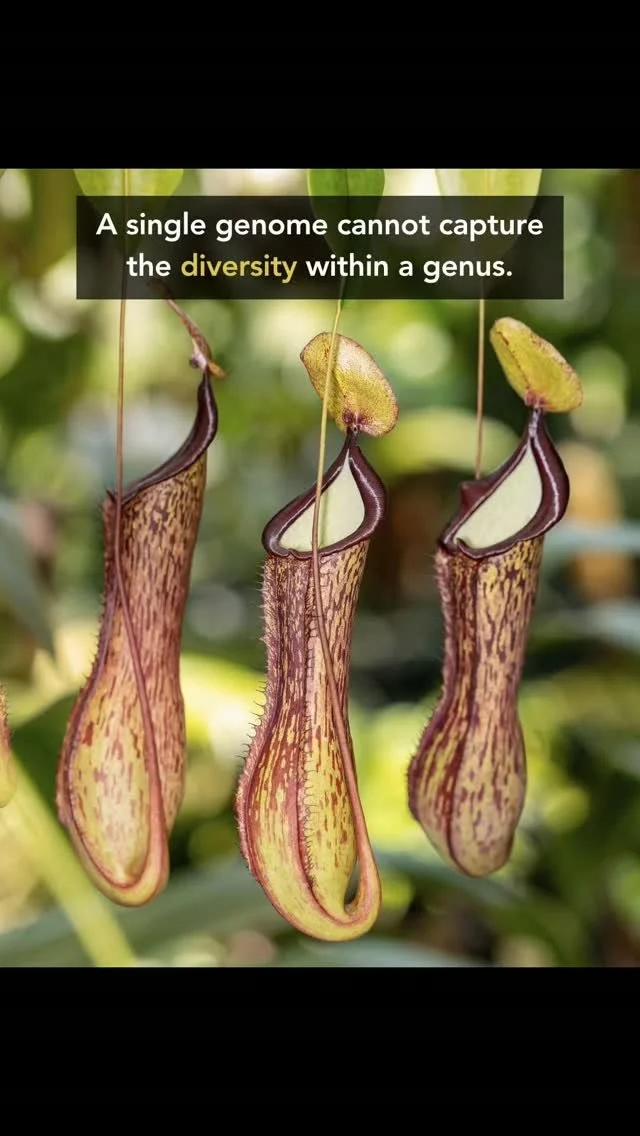
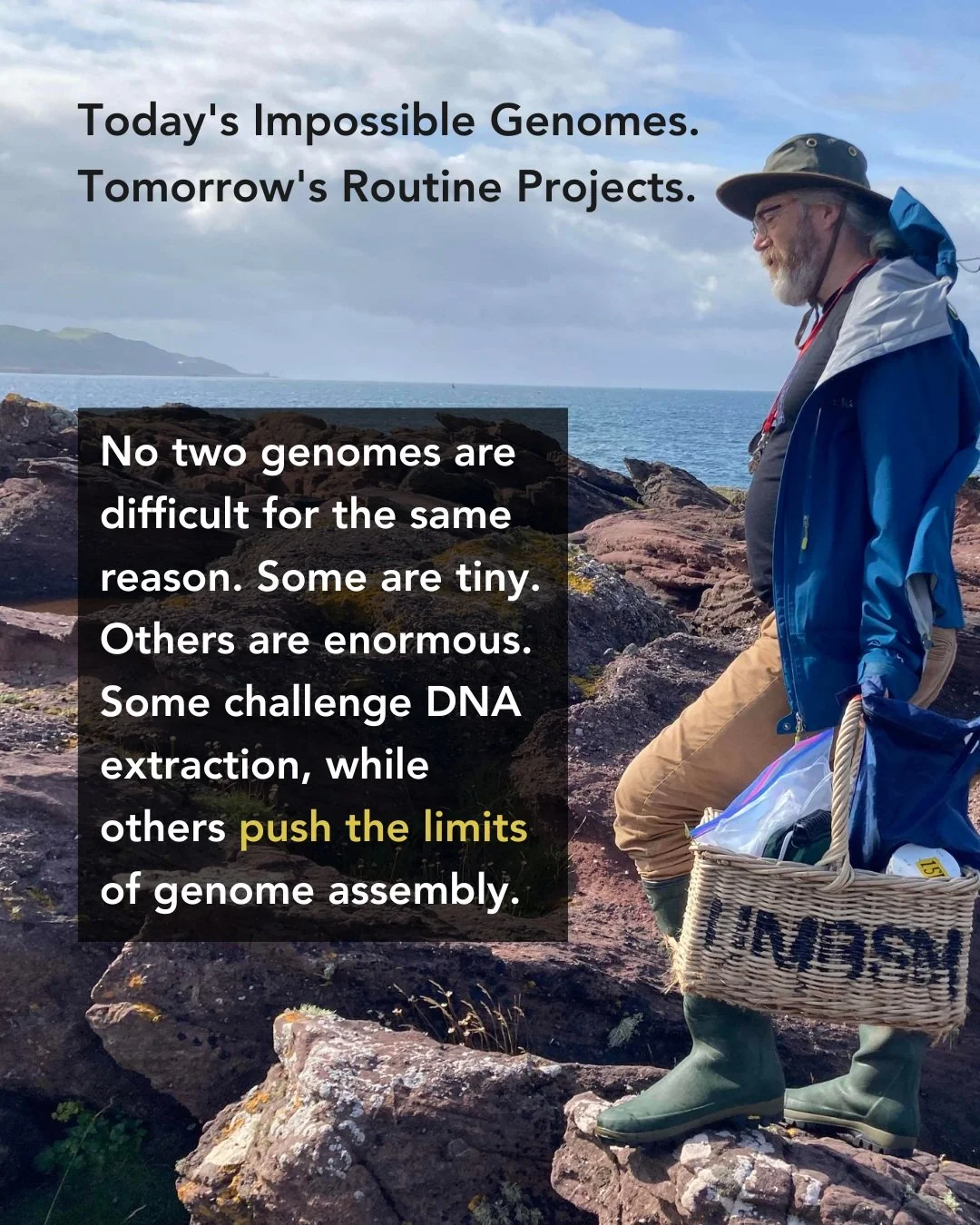
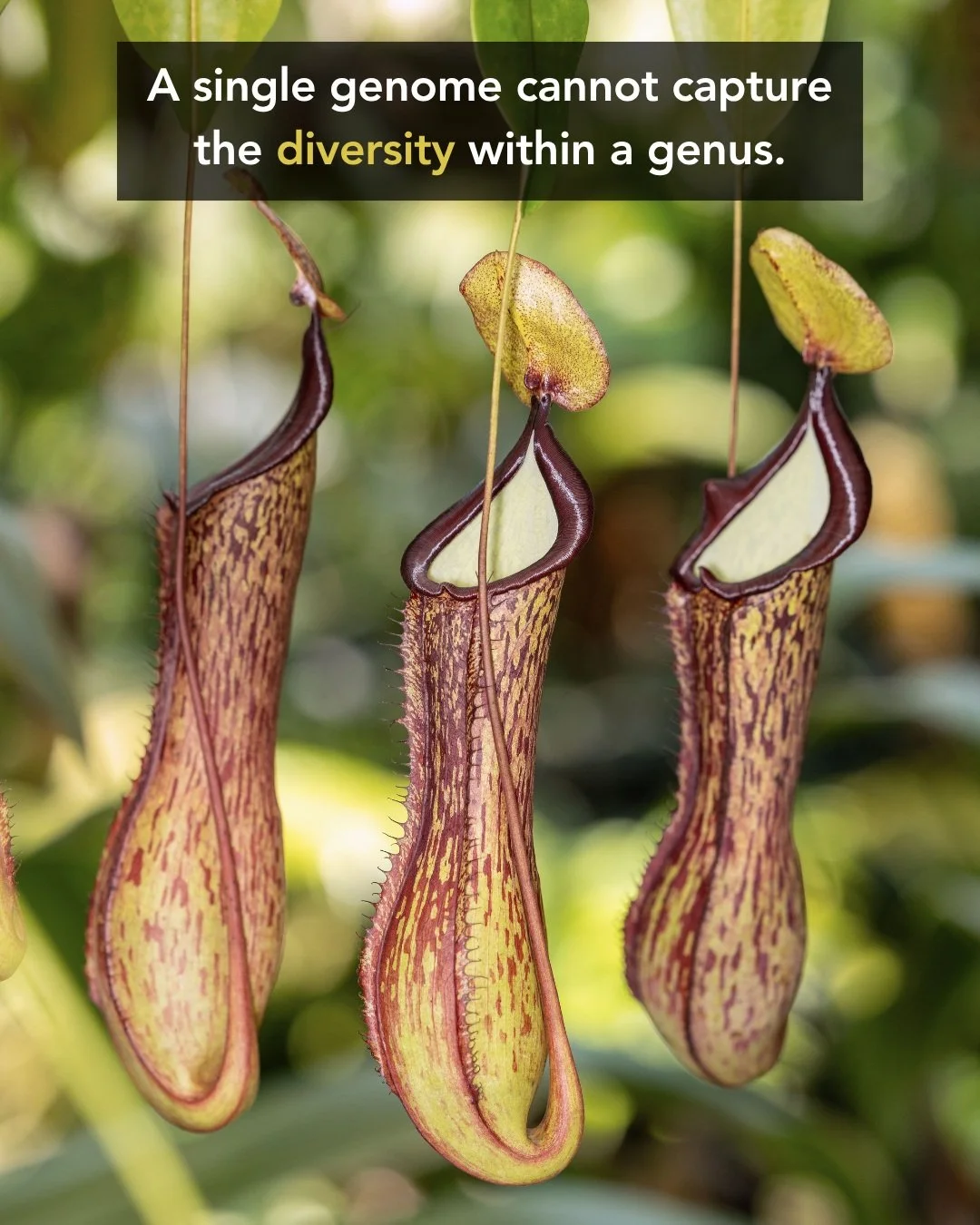
Why are EBP-affiliates tackling the most difficult biodiversity genomes?
Because the species with the biggest, weirdest, and most complex genomes often hold the biggest evolutionary secrets. 🧬✨
From regeneration (hello, axolotls 🦎) to climate resil
🚨🧬 Breakthrough alert! 🧬
Some EBP-affiliates are embarking on ambitious R&D to tackle some of the hardest genomes on Earth. 🌍🧬
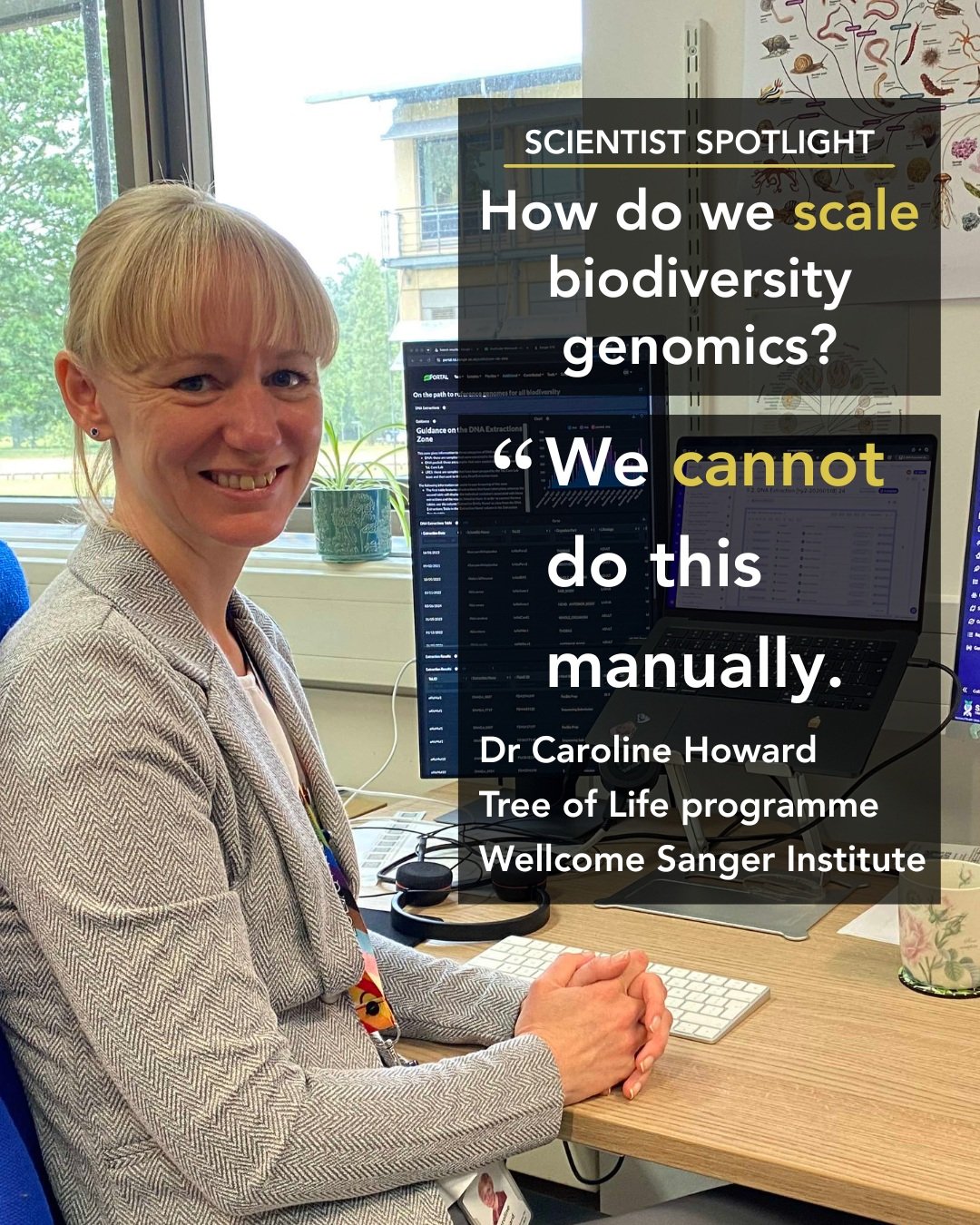
Caroline Howard and the Tree of Life Core Laboratory at the Wellcome Sanger Institute are releasing powerful new e
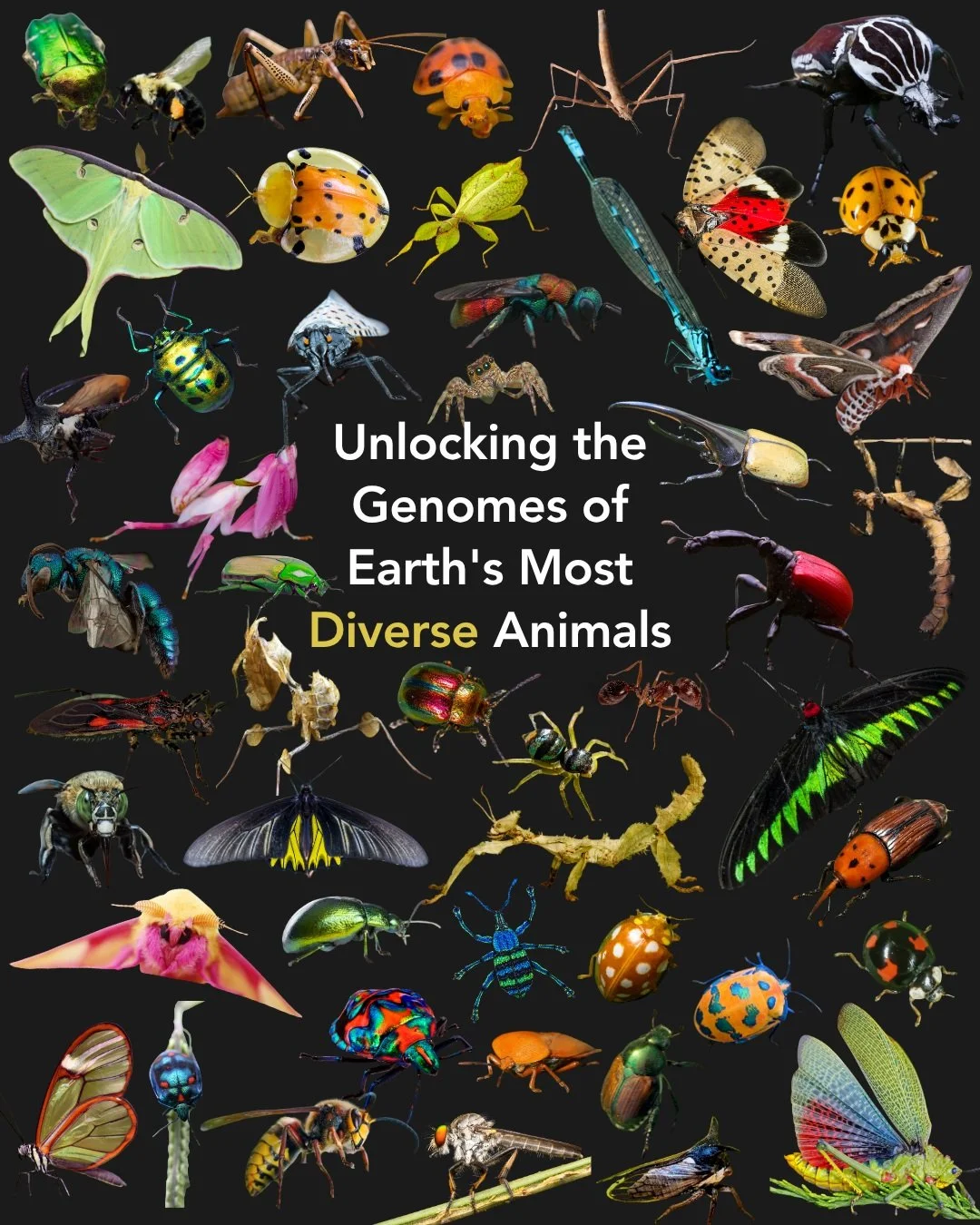
πŸ’₯🧬 Why sequence ALL insect genomes?
Because insects run the planet. They pollinate our crops, recycle nutrients, build soils, drive food webs, and shape ecosystems on every continent. 🧬🌍
Yet we’ve only scratched the surface of their genomic
Why sequence 60 genomes of the same bird?
Because population genomics reveals hidden risks — low diversity, genetic drift, and declining gene flow. 🧬🌍
Wetlands are disappearing… and so is genetic diversity.
Whole-genome sequencing of 6
🌍✨ As sequencing ramps up, how will EBP-affiliates keep quality high?
By building smarter, scalable tools and infrastructure to manage a global flood of genomic data. πŸ’»πŸ§¬
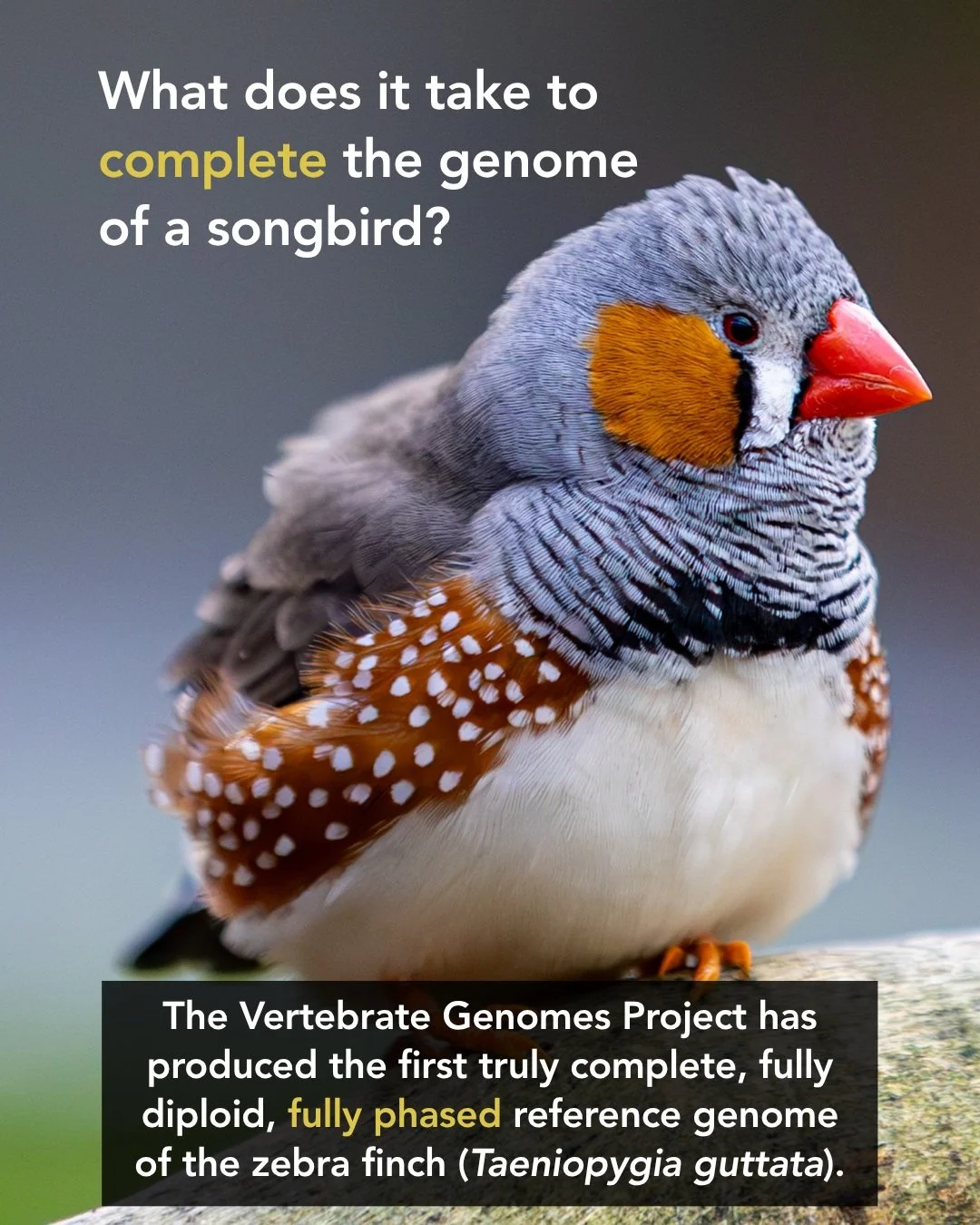
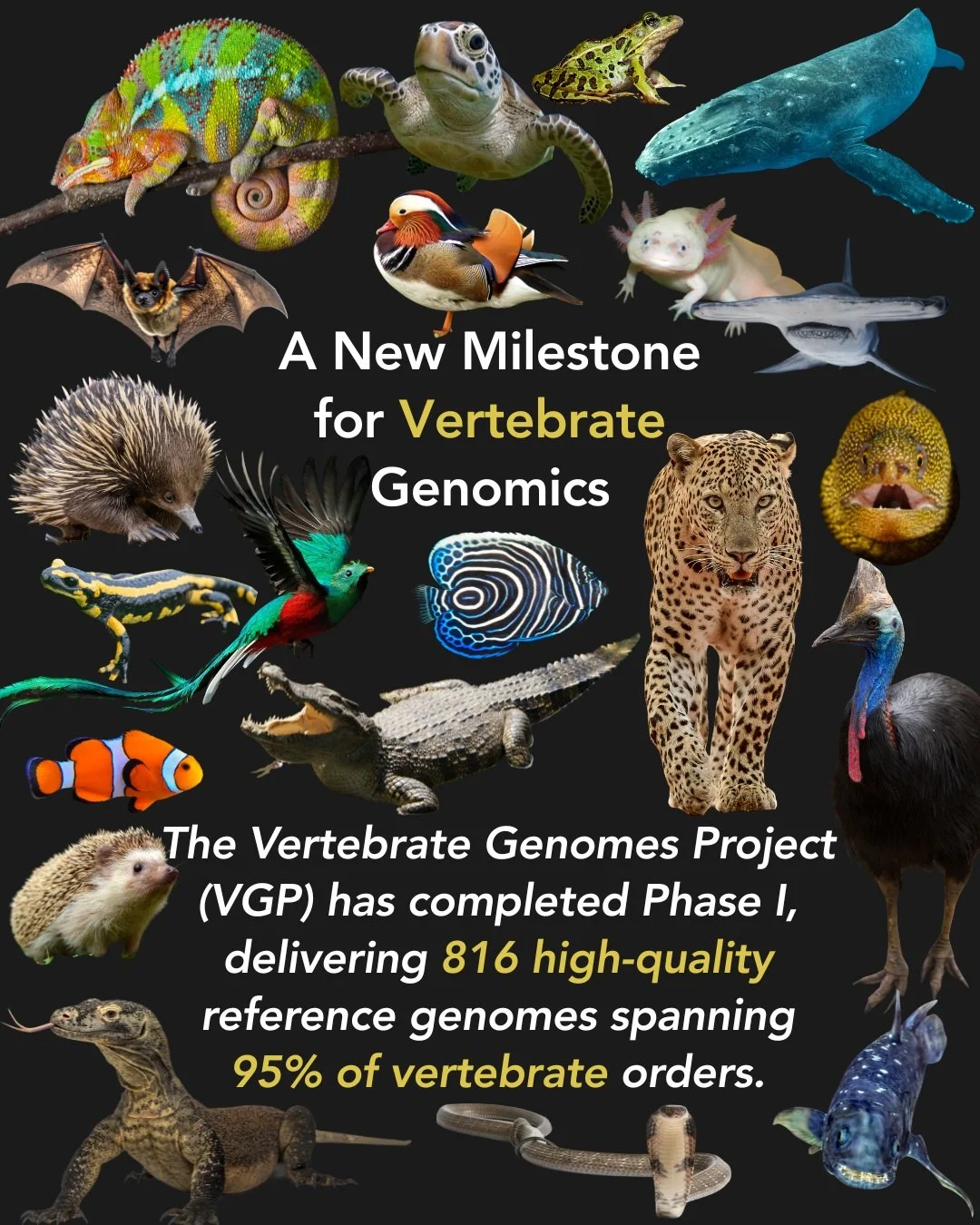
The Vertebrate Genomes Project (VGP) just rolled out rdeval — a new too
🌍✨ Why genome sequence mega-diverse countries?
A handful of countries hold >70% of Earth’s terrestrial biodiversity — packed with species found nowhere else. These places are evolution’s playground… and extinction’s
🌊✨ EBP welcomes another affiliated project!
The Ocean Genome Legacy Center @oceangenomes 🌊 joins the Earth BioGenome Project — helping advance the sampling of marine species across our ocean. With over 2.2 million known eukaryotic marine spec
πŸ”¬πŸŒ R&D Highlight: Cracking the Pacific Banana Slug Genome
Big news from @ucsc! Researchers have just completed the first end-to-end reference genome of the Pacific banana slug — an iconic resident of California’s coastal redwood for
πŸ’πŸ’™ Big win for sea turtle conservation!
Chromosome-level assemblies from an international research team are giving scientists deeper insight into how sea turtles evolve, adapt, and recover. From understanding temperature-based sex determination to
❄️ Why race to genome sequence Arctic life?
Because the Arctic is changing fast — and every genome we capture now preserves a blueprint of resilience before it’s gone.
🧬 Genomes reveal how species survive the cold,
🌍 track biodiversity
πŸš€πŸ§¬Revive & Restore is pioneering a new era of conservation — using AI and genomics to protect life on Earth.
πŸŽ‰πŸ‘We’re thrilled to celebrate Revive & Restore for being awarded a $2 million grant from the Bezos Earth Fund’s
🌍🧬 Will we see you at PAG33 this January 2026?
Check the conference details: https://intlpag.org/PAG33/
Register today: http://bit.ly/4o7r4vW 

The International Plant and Animal Genome (PAG) Conference is almost here — the annual meeting poi
🧬 Not all DNA comes out easily! Some species lock their secrets behind tough shells, rigid walls, or tricky chemistry. Extracting high-quality DNA can mean cracking exoskeletons, dissolving cell walls, or working around inhibitory compounds —
🌊 Ready to dive deep?
EBP Life Issue 4 takes you beneath the waves — where genome science meets the mysteries of the sea. 🧬✨
πŸ‹ From mega-genomes of blue whales and Antarctic krill
🐬 To genomes saving species like the vaquita and sea turtles
🌊 From chimp nests to whale genomes — meet Dr. Phil Morin, a scientist who’s turned curiosity into conservation.
Some people carve their path through persistence. Others stumble into opportunity.
Phil Morin did both. 🧬
From studying end
🧬 Why sequence plant genomes?
To reveal their hidden histories 🌿, find the genes behind resilience πŸ’ͺ, and protect the green blueprint of life 🌎.
Every plant holds a story written in DNA — from ancient evolutionary roots to the genes that dr
Today we remember Jane Goodall, who inspired a generation to protect wildlife and wild places, turning careful observation into lasting conservation.

“A 'tireless advocate' for the protection of our natural world'”- Jane Goodall Institut
🌍 Biodiversity Genomes: Unlocking Global Conservation 🧬
Researchers are harnessing genome data to boost genetic diversity in endangered populations—giving species a real chance at survival. From guiding breeding programs to pinpointing pathog
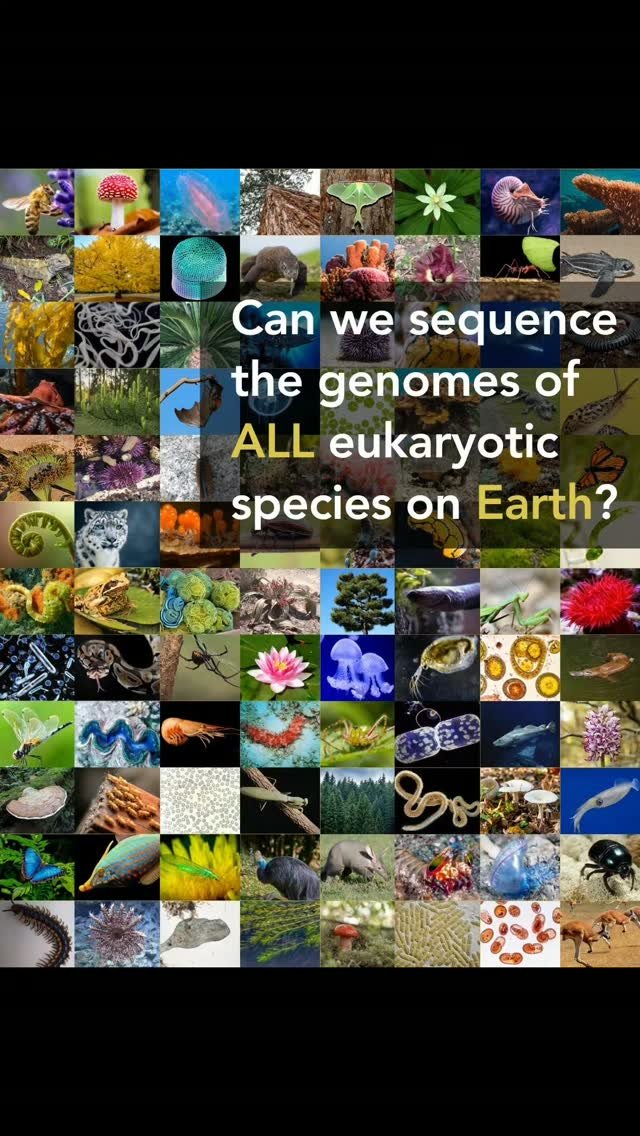
πŸš€πŸ§¬πŸŒ With 2,200+ scientists in 88 countries—including strong local and Indigenous research communities in mega-biodiverse regions and biodiversity hotspots—the Earth BioGenome Project is unlocking discoveries to boost food security, adv


HomeGoalsRoadmapOrganizationMediaContact

Β© 2025 Earth BioGenome Project. All rights reserved.