Meet the EBP voices featured in this issue.
From difficult samples and massive genomes to breakthrough methods and global collaboration, these contributors are helping push the boundaries of what is possible in biodiversity genomics.

Prof. Mark Blaxter, Chair of the EBP Executive Council and lead of the Tree of Life programme at the Wellcome Sanger Institute.
Prof. Mark Blaxter is Chair of the Earth BioGenome Project Executive Council and a genome biologist with an enduring passion for the neglected and obscure—particularly nematodes. After a quarter of a century in the Institute of Evolutionary Biology at the University of Edinburgh, he moved to the Wellcome Sanger Institute in 2019 to lead the Tree of Life programme, a proud affiliate of the Earth BioGenome Project dedicated to sequencing all of biodiversity.
Learn more about Mark's scientific journey in this recent Wellcome Sanger Institute profile. Read the blog
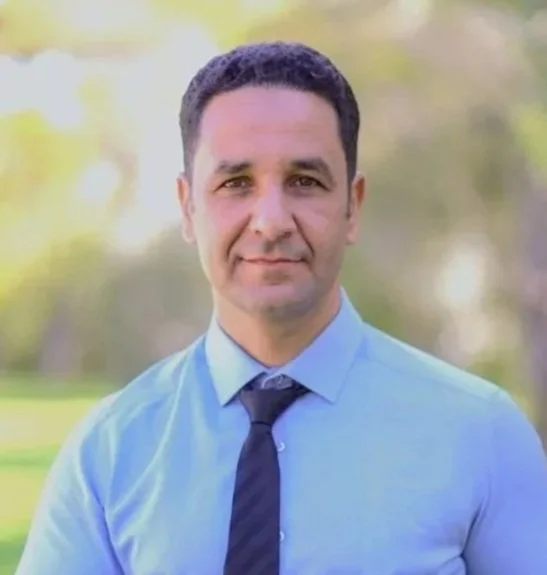
Prof. Bouabid Badaoui, Chair of the Africa BioGenome Project, Professor of Genetics at Mohammed V University (Morocco), and member of the Earth BioGenome Project Executive Council.
Prof. Bouabid Badaoui is a full Professor of Genetics at Mohammed V University (Morocco) and Chair of the Africa BioGenome Project. His work focuses on animal genomics, biodiversity, and the application of sequencing technologies to understand adaptation in extreme environments. He leads initiatives on camel and goat genomics in arid regions, bridging fieldwork, genomics, and data science. His research aims to support sustainable livestock systems and biodiversity conservation across Africa.
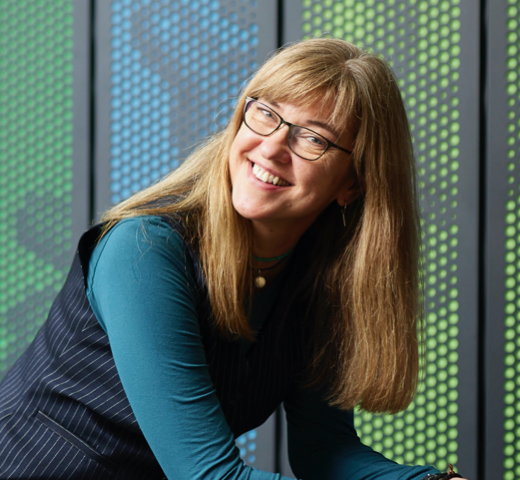
Dr Kerstin Howe, Head of Production Genomics at the Wellcome Sanger Institute.
Dr Kerstin Howe: I’m a computational biologist working in the Tree of Life programme at the Wellcome Sanger Institute, where we are generating the highest-quality chromosomally resolved biodiversity assemblies at scale for a variety of projects, e.g. the Darwin Tree of Life Project, Project Psyche, the Vertebrate Genomes Project, the Aquatic Symbiosis Genomics Project, and the Ancient Environmental Genomics Initiative for Sustainability, all under the umbrella of the EBP. My focus is on helping to create a platform that provides genomic data of the highest quality, accessible and free to all, to support planetary and thereby human health.
As the Head of Production Genomics, I look after the wet lab and informatics processes. These include the teams responsible for sample preparation and nucleic acid extraction, assembly generation, curation and analysis, data tracking, curation and visualisation, as well as IT infrastructure development and maintenance. The production work is accompanied by extensive R&D to ensure all processes are cutting-edge. We are generating assemblies and assembly analyses to the highest quality and at a world-leading pace, currently releasing a genome assembly every 6 hours.
Within the EBP, I am the chair of the International Scientific Committee, supporting the scientific subcommittees in their work defining standards and providing recommendations. I am also still chairing the Sequencing and Assembly subcommittee, but am looking to pass this on to a successor soon.
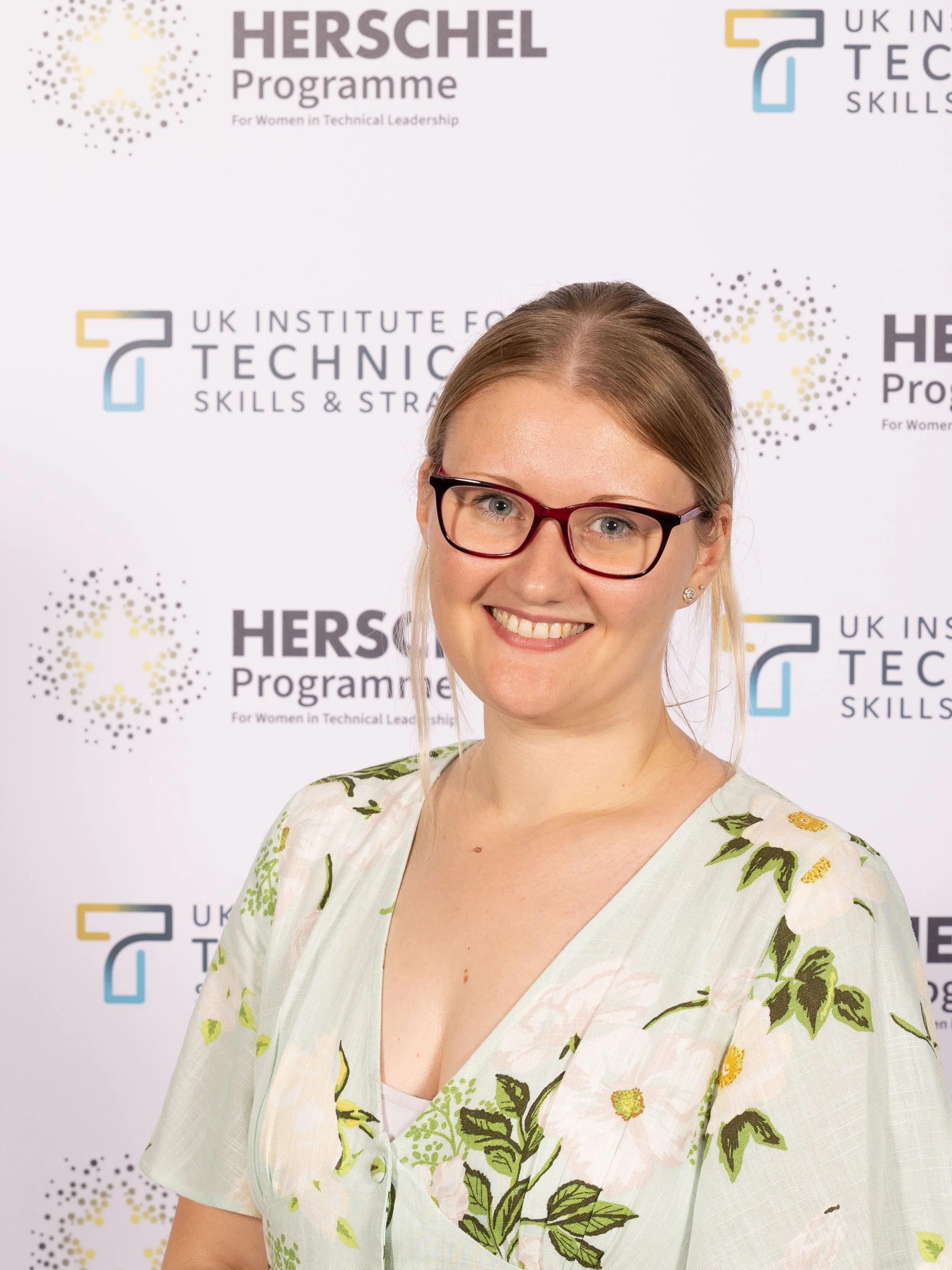
Amy Denton, Technical Specialist in the Tree of Life Core Laboratory at the Wellcome Sanger Institute.
Amy Denton is a Technical Specialist at the Tree of Life Core Laboratory at the Wellcome Sanger Institute, performing sample homogenisation, high molecular weight DNA extractions and DNA fragmentation in preparation for both PacBio and ONT sequencing for reference genome generation. She primarily processes the vertebrate species for the Tree of Life programme; however, she also works on species which require DNA extraction R&D such as jellyfish and isopods. With degrees in Zoology and Veterinary Medicine, and experience in high-throughput lab work and automation in COVID-19 laboratories during the pandemic, Amy was drawn to this work as it enabled her to combine her passion for wildlife and research.
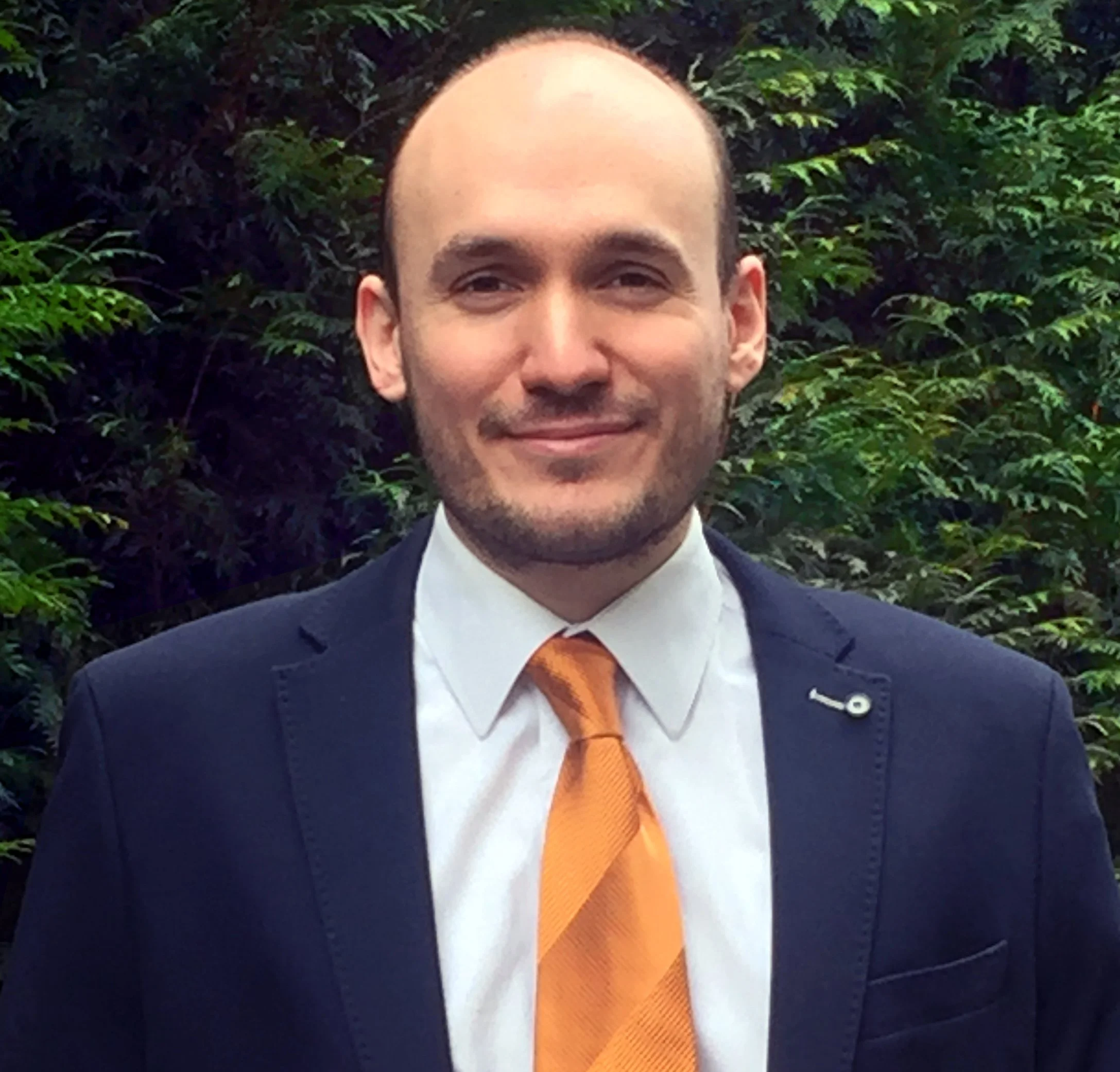
Dr Giulio Formenti leads research in telomere-to-telomere genome assembly, comparative genomics, and AI-assisted genome curation.
Dr Giulio Formenti is Research Assistant Professor at The Rockefeller University, Co-Director and Bioinformatics Lead of the Vertebrate Genome Laboratory, Chair of the Assembly Group for the Vertebrate Genomes Project (VGP) and member of the same working group for the Earth BioGenome Project. His research focuses on developing technologies and analytical frameworks for telomere-to-telomere genome assembly, comparative genomics, and AI-assisted genome curation. He is particularly interested in how complete reference genomes can unlock previously inaccessible biology and enable a new era of biodiversity genomics. Recently, he has been leading the flagship study for VGP Phase I, as well as the assembly and study of the first truly T2T bird genome.
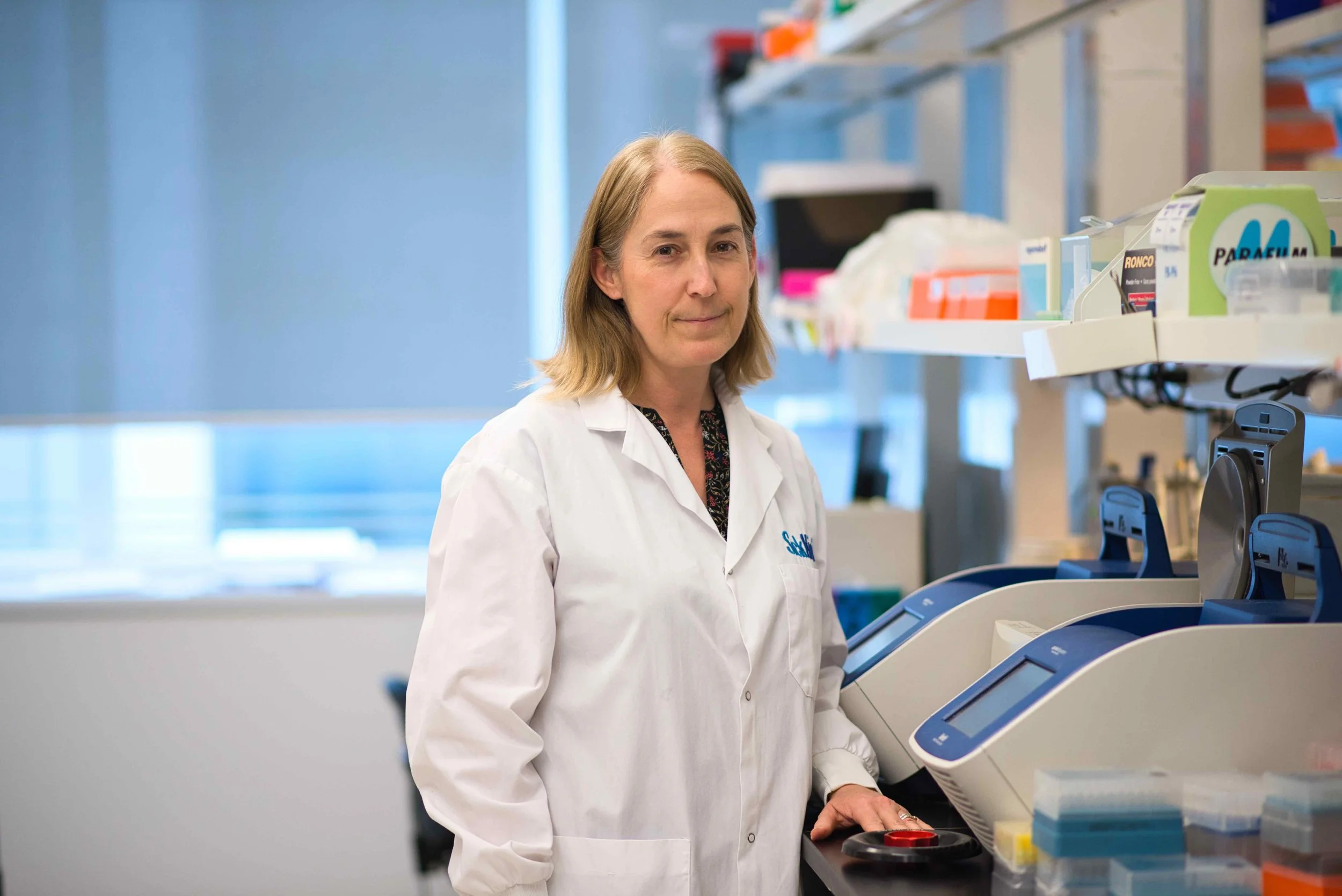
Dr Tara Paton, a manager in TCAG's NGS Sequencing Facility. Photo credit: Bank Engchuan.
Dr Tara Paton manages Genetic Analysis and Sequencing core facilities at The Centre for Applied Genomics (TCAG) at The Hospital for Sick Children in Toronto, Canada. TCAG is the Toronto node of CGEn, Canada's national platform for genome sequencing and analysis. In addition to supporting the Canadian BioGenome Project, TCAG works with hundreds of investigators each year on genomics research across a wide range of fields, including human disease and basic research. Tara is drawn to biodiversity genomics in part because her graduate work focused on avian molecular evolution, bringing her back to her scientific roots. She is also motivated by the belief that sequencing non-human genomes will deepen our understanding of genomics and ultimately contribute to breakthroughs in human biology and disease.
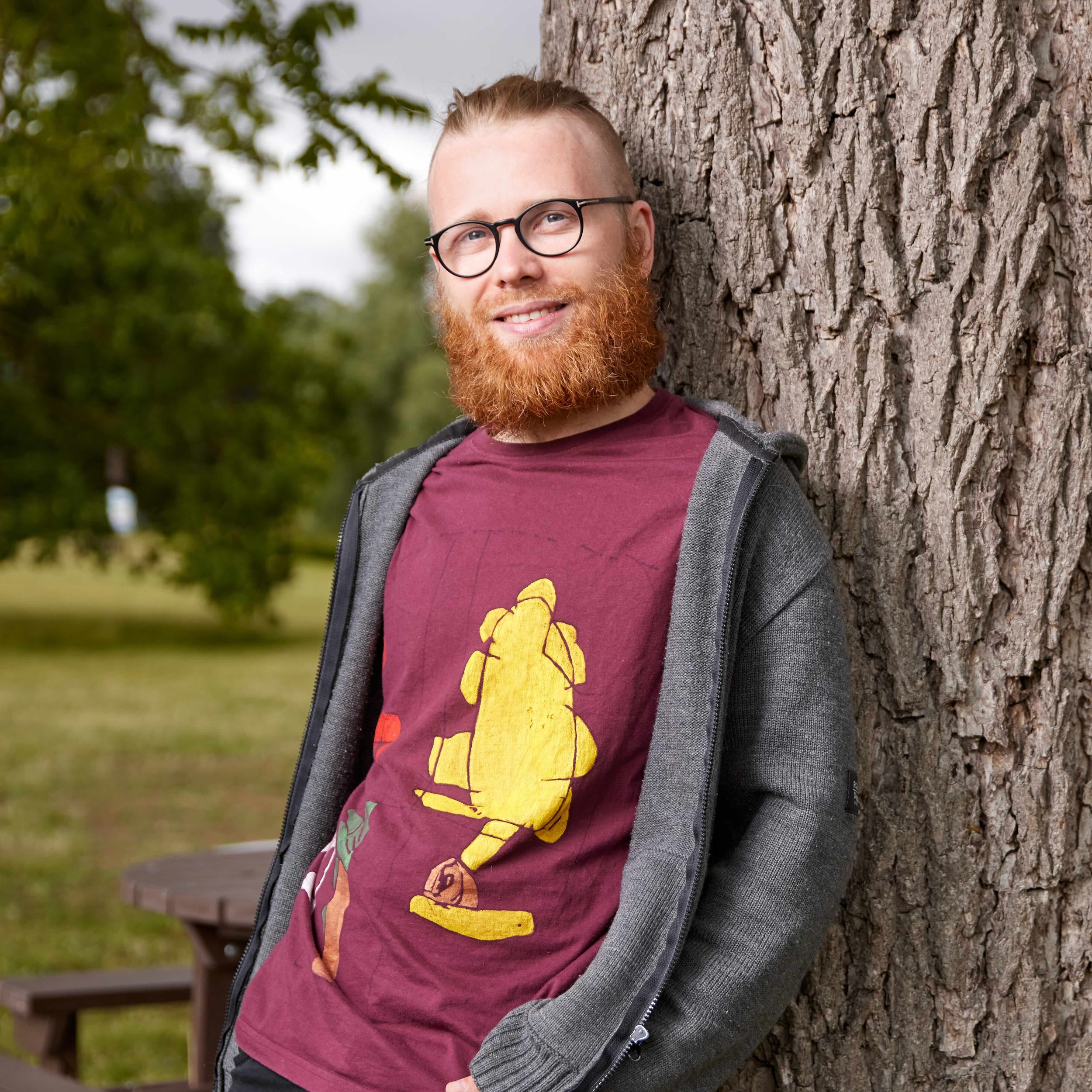
Dr Kamil Jaron, Group Leader in the Tree of Life Programme, studies the interplay between reproduction and genome evolution in flies.
Dr Kamil Jaron is a group leader at the Tree of Life programme. His research focuses on understanding the interplay of reproduction and genome evolution in flies. His favourite creatures to sequence are collembola and diptera.
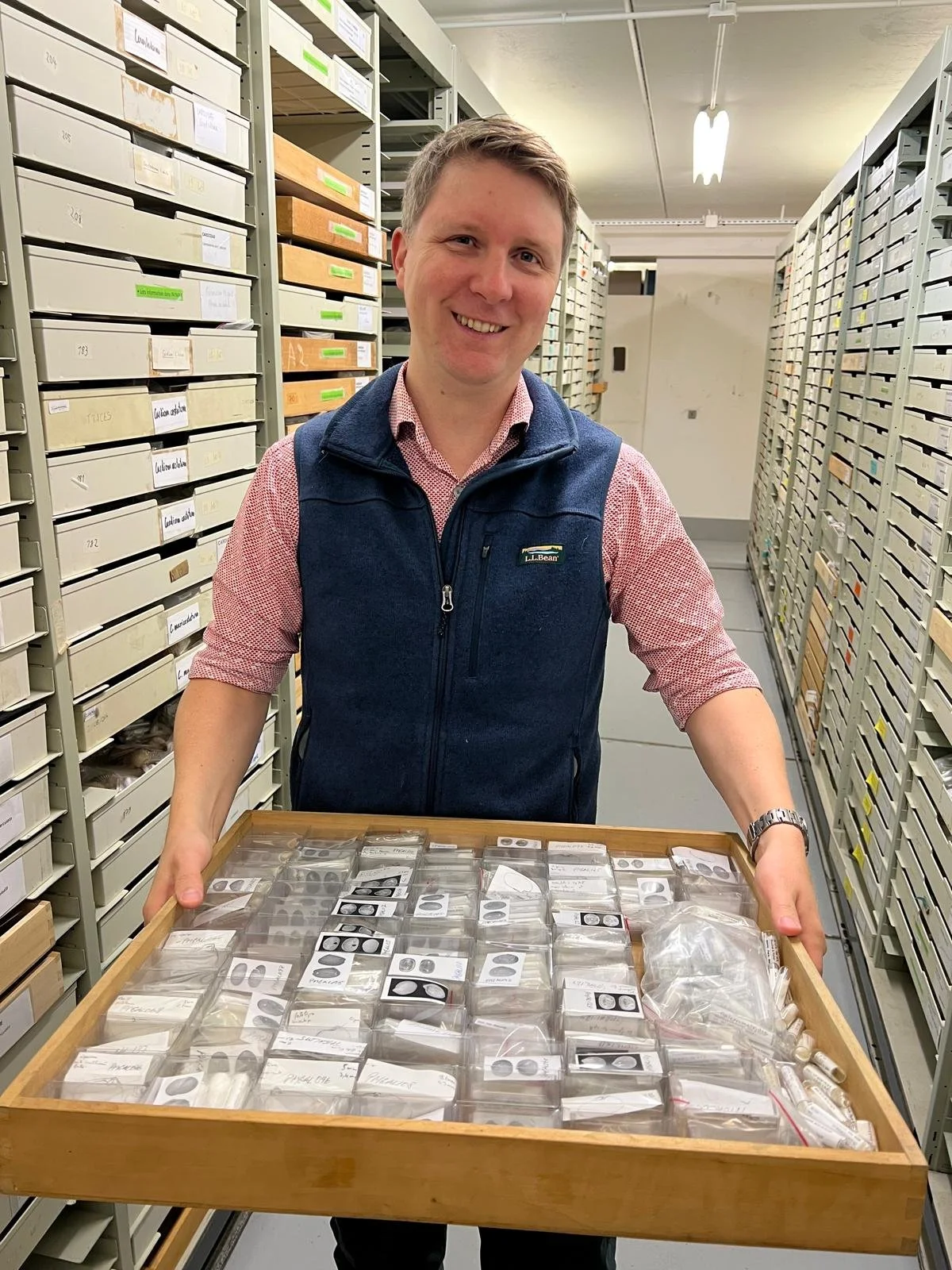
Dr Hugh MacIntosh with a tray of mollusc specimens from the Royal BC Museum collections.
Dr Hugh MacIntosh is the Collection Manager for Invertebrate Zoology at the Royal BC Museum in Victoria, BC. As a member of the Canadian BioGenome Project's Molluscan Expert Panel, he has helped select and collect molluscan species for reference genome sequencing. Over the last year and a half, he has collected roughly 50 mollusc samples from the coast of British Columbia for the project.