
What Makes a Genome Hard?
No two genomes are difficult for the same reason. Some challenge scientists because they are enormous, repetitive, or polyploid. Others are difficult because the organisms are microscopic, the DNA is degraded, or collecting high-quality samples is nearly impossible. Together, these perspectives reveal how advances in sequencing technologies, field methods, and bioinformatics are steadily expanding the range of life that can be sequenced.
What makes some small or seemingly simple organisms unexpectedly difficult to sequence or assemble?
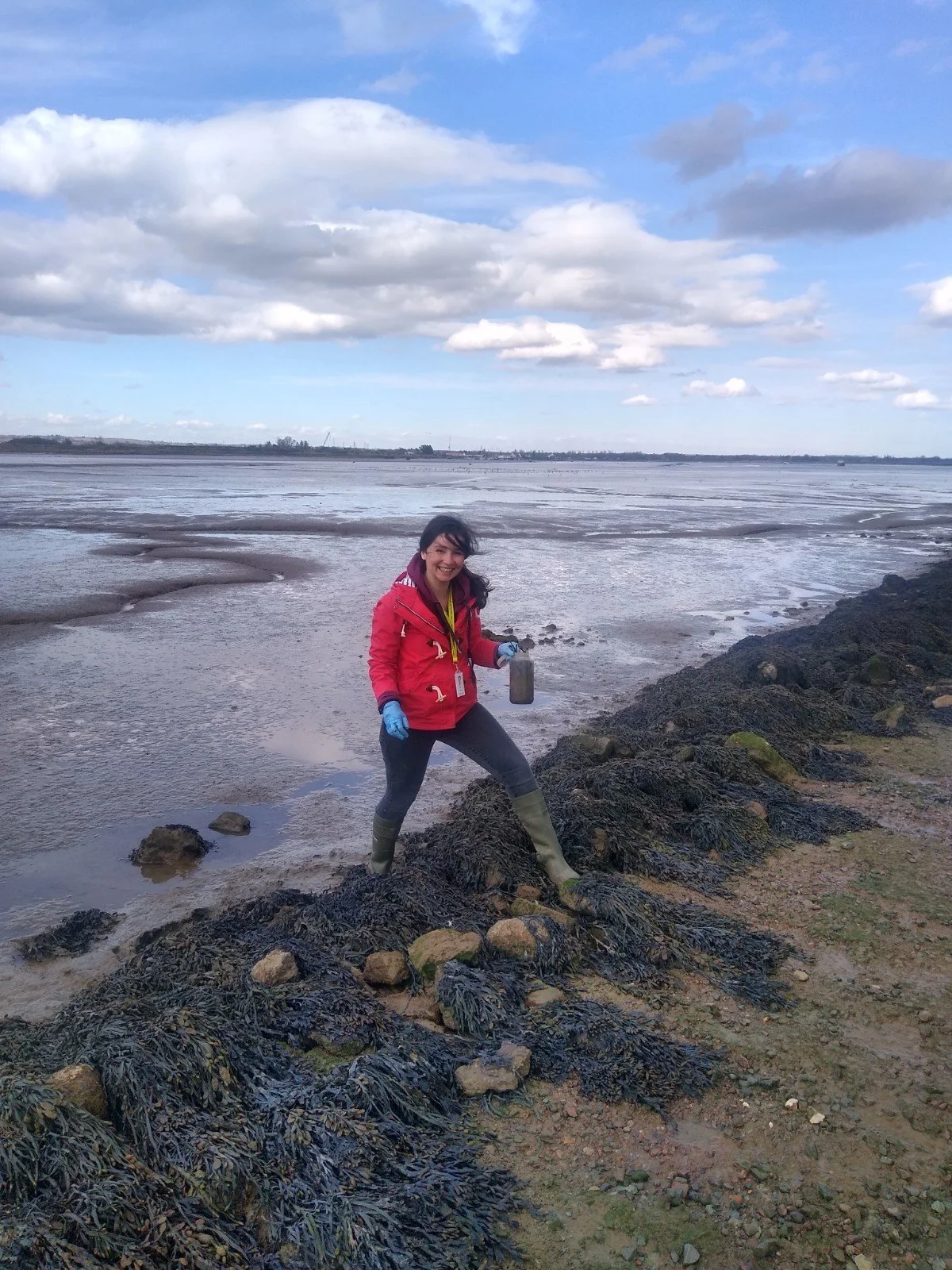
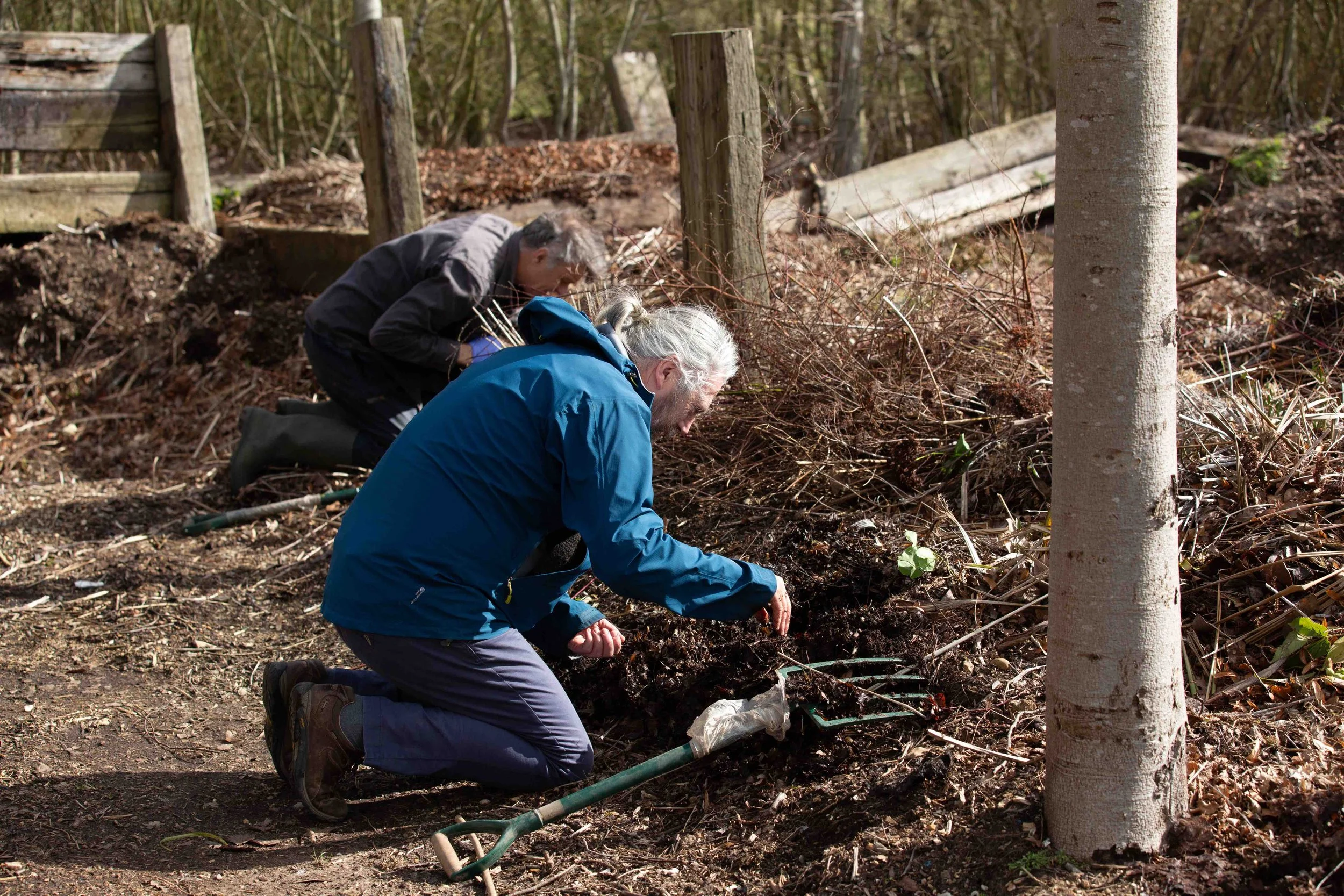
Erna King is collecting intertidal mud from the Blackwater Estuary in Essex. Nematodes and other meiofauna are isolated from the samples, and single individuals identified, imaged as morphological vouchers, and frozen ahead of genome and transcriptome generation using the Picogram input Multimodal Sequencing (PiMmS) technique.
Mark Blaxter: As Head of the Tree of Life programme at the Wellcome Sanger Institute, where we are sequencing all of biodiversity at scale, I am not supposed to have any favourites. But, having worked on nematodes for nearly all of my career, I must admit to wanting to sequence the genomes of the whole phylum Nematoda. Some species are big (like many parasites) and some species can be cultured and inbred, but most nematodes are about 1 mm long and have 1,000 cells — so 1,000 cells/individual x 0.1 pg/cell means you have access to only 100 pg or so of DNA per individual.
We have been working hard to generate genomes from single nematodes. Using the Picogramme-input, Multi-modal Sequencing (PiMmS) method developed by Chris Laumer (in my lab, now at the Natural History Museum, London), Erna King at Sanger is able to generate high-contiguity contig assemblies from tiny marine nematodes, and has over 100 pretty good genomes. The challenge now is to get Hi-C methods to work at similarly small scales. Erna can get down to 10 nematodes (sometimes), so we are close.
However, it’s not just nematodes that are small: the majority of species on this planet are small, and giant species like mice, trees, and dragonflies are the exception. PiMmS, and related methods using phi29 polymerase amplification, promise to unlock the genomes of all of diversity.
Are some genomes inherently difficult, or does difficulty depend on available methods and technologies?
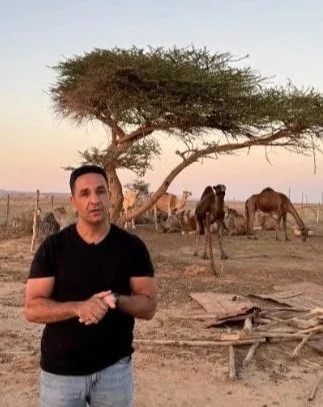
Bouabid Badaoui standing in the Moroccan desert at late afternoon — logistical and environmental constraints here directly shape the genomic research approaches adopted by the team.
Bouabid Badaoui: From our work in southern Morocco on camels and goats, I would say that difficulty is not only inherent to the genome itself but strongly dependent on context — environmental, biological, and technological.
Desert-adapted species such as camels and local goats present unique challenges that go beyond genome size or repeats. The difficulty often begins in the field: high temperatures, remote locations, and the need to preserve high-quality DNA under constrained conditions. These factors directly influence downstream sequencing success.
At the biological level, these species are highly adapted to extreme environments, and this adaptation is encoded in complex genomic regions that are often difficult to resolve. Structural variation, repetitive elements, and poorly characterised regions can complicate assembly.
However, what we consider 'hard' is constantly shifting. With the emergence of long-read and HiFi sequencing, genomes that were once inaccessible are now within reach. In this sense, difficulty is not fixed — it evolves with our tools, our collaborations, and our ability to integrate field and laboratory expertise.
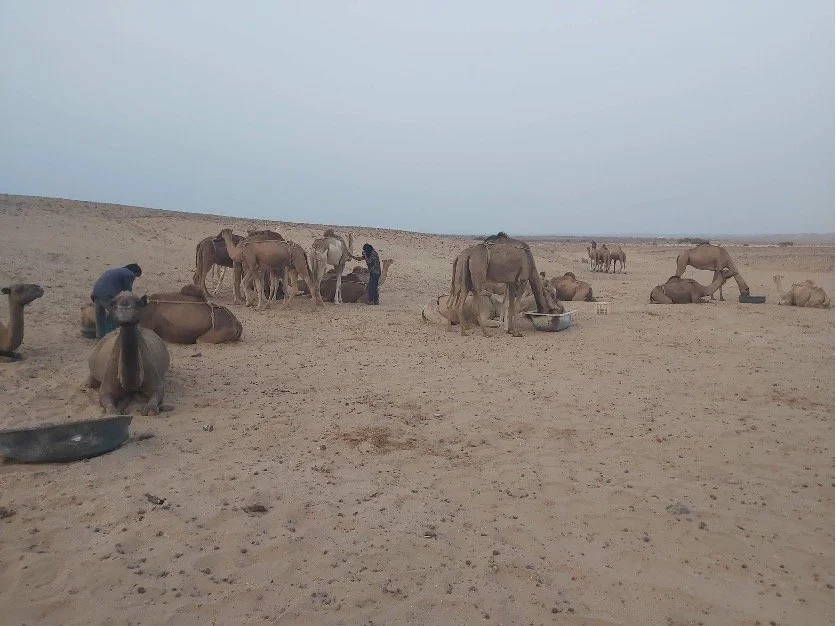
Dromedary camels in southern Morocco — the primary study species in ongoing genomic sequencing efforts focused on adaptation to arid and extreme environments. Preserving high-quality biological samples under desert conditions represents one of the first and most critical hurdles in this work.
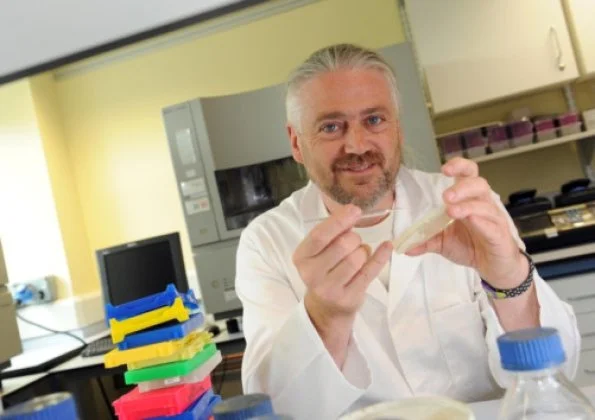
Mark Blaxter during his early days in genomics, when expressed sequence tag (EST) sequencing required manually picking transformed E. coli colonies containing cDNAs into microtitre plates for growth, DNA extraction, and sequencing.
Which organismal groups have historically been the most challenging to genome sequence, and are they still challenging today?
Mark Blaxter: Looking back on the first 6 years of work at Tree of Life, it is clear now that some species that were “impossible” in the first months are now zipping through our systems at pace, because we have learnt the tricks needed to extract DNA while overcoming challenges posed by exoskeletons, unusual chemical compositions, or even recently eaten food items.
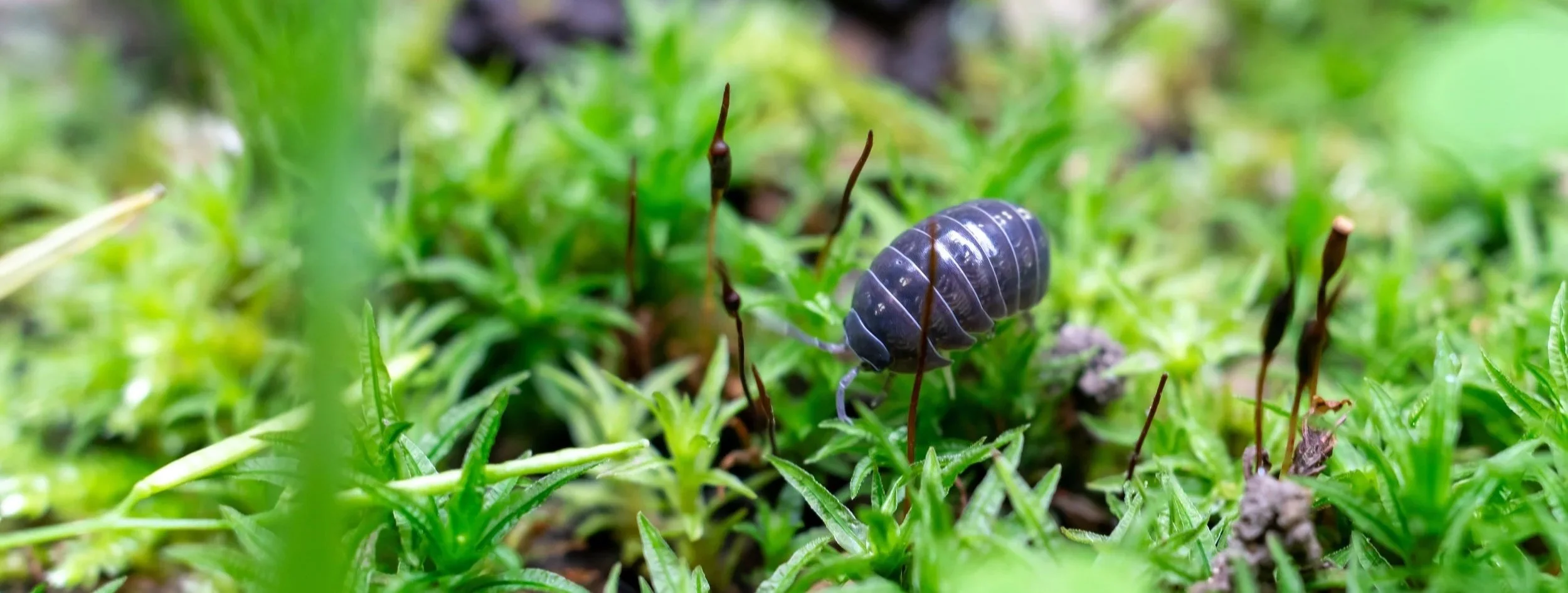
Today, I am confident that any group that has not yet yielded to the careful skill of the ToL Core Lab will do so very soon. That said, isopods, marine, freshwater, and terrestrial are still annoyingly difficult: we extract DNA that looks “good” but when this is offered to the sequencers the answer is “no”. Some isopods have worked well recently, so perhaps the solution is just round the corner…
What is the most intimidating genome you’ve worked on, and why?
Kerstin Howe: There are lots of factors that can make a genome difficult to sequence and assemble, the most straightforward is probably the genome size. Not only does it cost a lot of money to sequence a large genome, large sizes also put strains on compute performance and might even render certain processes impossible.
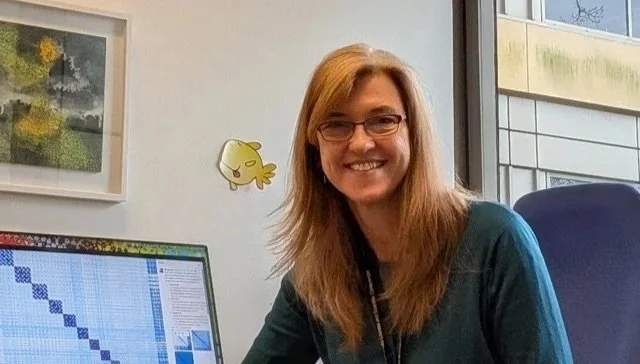
Kerstin Howe in her office (with her favourite painting of lichens by Samantha Clark and a Hi-C map of a tetraploid assembly on her screen).
For me, our most intimidating genome so far was therefore the mistletoe (Viscum album) with over 90 Gb in size (30 times larger than the human genome). At least it wasn’t polyploid…We generated a staggering 2.7 Tbp of Hifi reads and nearly 3 Tbp of HiC data to get enough coverage. And then, after some bioinformatics magic to allow this amount of data to be digested, it surprisingly worked. The initial draft assembly already looked very good. As the resolution for visualising curation data is restricted, we needed to modify this process, too. Mistletoe has 10 chromosomes, each three times the size of the complete human genome, and they didn’t fit all together into one curatable Hi-C map. We therefore separated the chromosomal scaffolds and combined each with all the sub-chromosomal scaffolds/contigs to allow for error correction within the former and placement of the latter, then combined everything again to get the final picture. And it worked beautifully! Submitting the final genome assembly posed another hurdle as INSDC is not equipped to take single sequences bigger than 2 Gbp, so in order to submit the genome with each chromosomal scaffold around 10 Gbp we had to cut the sequence apart again. The information on how to stitch everything together is included in the submission though, so all was fine in the end. The next challenge is the annotation, but even there we already got some promising first results. Hopefully more, soon.
We were somewhat lucky with mistletoe as lots of biomaterial was available to generate enough data and the repeat content was varied enough to not lead to extended assembly collapses. What really intimidates me now are large (and even worse if polyploid) genomes in really small species…thanks, but no, thanks to some dinoflagellates for now.
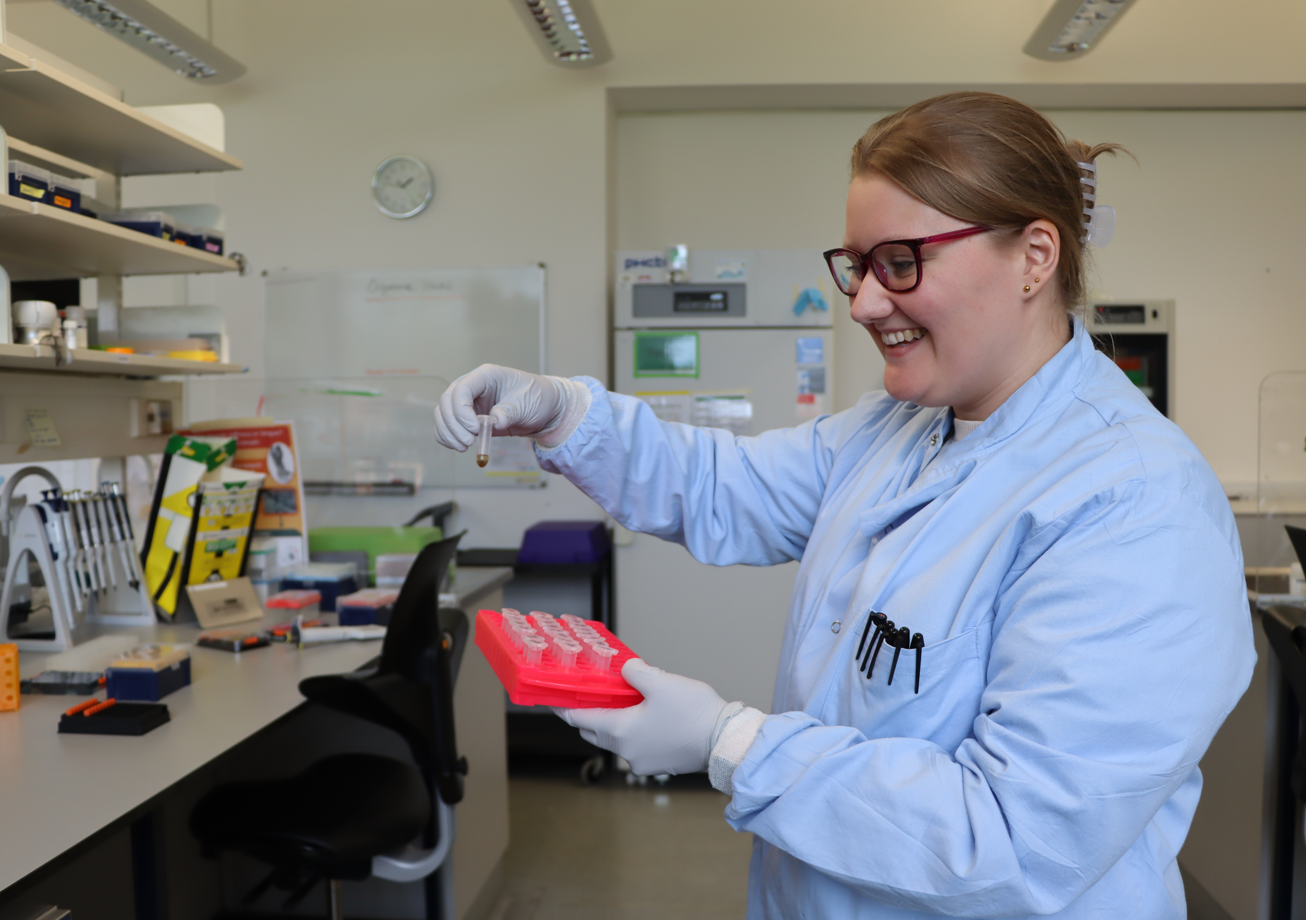
Amy Denton is organizing samples for DNA extraction in the Tree of Life Core Laboratory.
What makes degraded samples with highly fragmented DNA uniquely challenging compared to fresh samples?
Amy Denton: Often we are provided with opportunistic samples from found-dead specimens for vertebrate species, such as stranded cetaceans, for reference genome generation. It is often unknown how long these specimens have been dead for, and the degradation of the samples can lead to highly fragmented DNA. This is obviously challenging for reference genome generation as we ideally want high molecular weight DNA following extraction for the best assemblies following sequencing. Using a manual extraction protocol for these samples, to prevent further fragmentation of the DNA and having an extended elution to increase the yield of DNA obtained from them is the best way to approach these sample. The DNA from these samples can still be used for reference genome generation by sending straight to sequencing without any further fragmentation if the average fragment size is around 12 kb – this approach has enabled reference genomes to be created for the bottlenose whale Hyperoodon ampullatus, the white-beaked dolphin Lagenorhynchus albirostris, the long-finned pilot whale Globicephala melas and the hazel dormouse Muscardinus avellanarius.
Which species has most surprised you by how difficult it was to work with, and why?
Mark Blaxter in the field, searching for the next species to identify and eventually sequence, from worms and snails to the extraordinary diversity of eukaryotic life.
Mark Blaxter. In the first days of the Tree of Life programme at Sanger, we collected and froze specimens of some very common land snails in the UK: the banded grove and field snails Cepaea hortensis and Cepaea nemoralis. These banded snails have been the subject of genetic and ecological research for a century, and I hoped that one of the first fruits of our genomics efforts would be reference genomes that would allow snail colour pattern researchers to finally solve the genetic riddle of how the banding patterns are controlled. Fast-forward five years, and finally we released reference genomes…
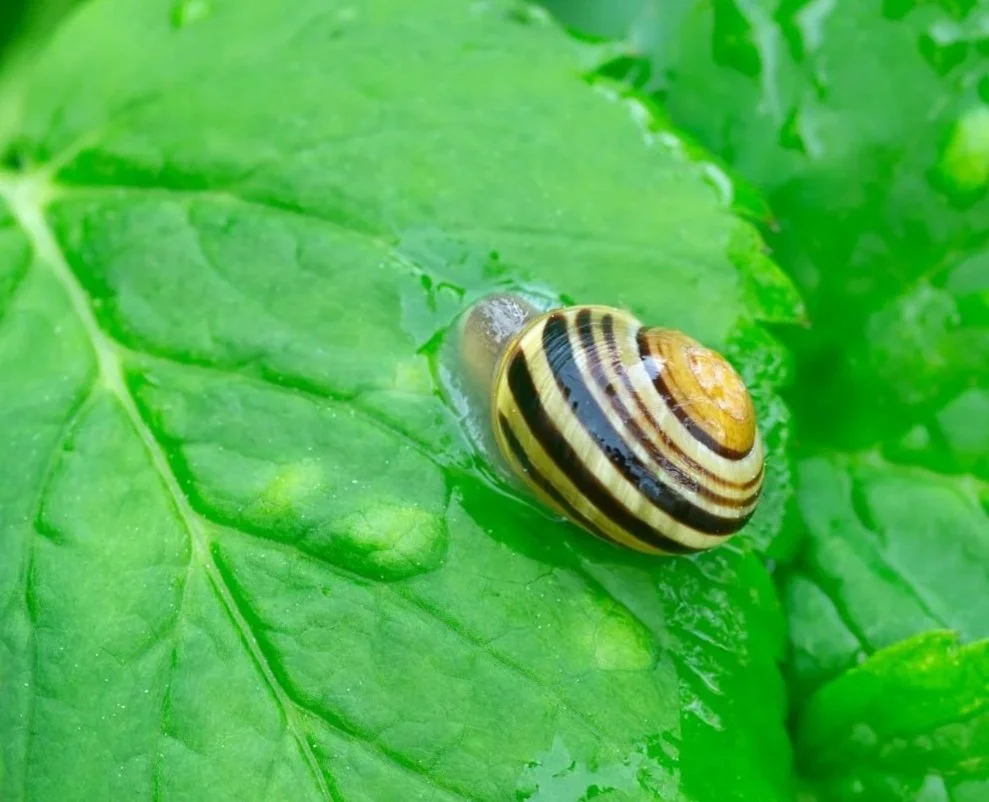
Cepaea hortensis on a leaf.
Why was it so hard? It turned out to be very difficult to extract long DNA that would sequence well with either PacBio or ONT technologies: umpteen cells were run with tiny, tiny data yields and ever more frustrated lab teams and Cepaea collaborators. Extensive development of extraction methods to solve the Cepaea problem now means we are confident in being able to generate sequenceable DNA from any snail…
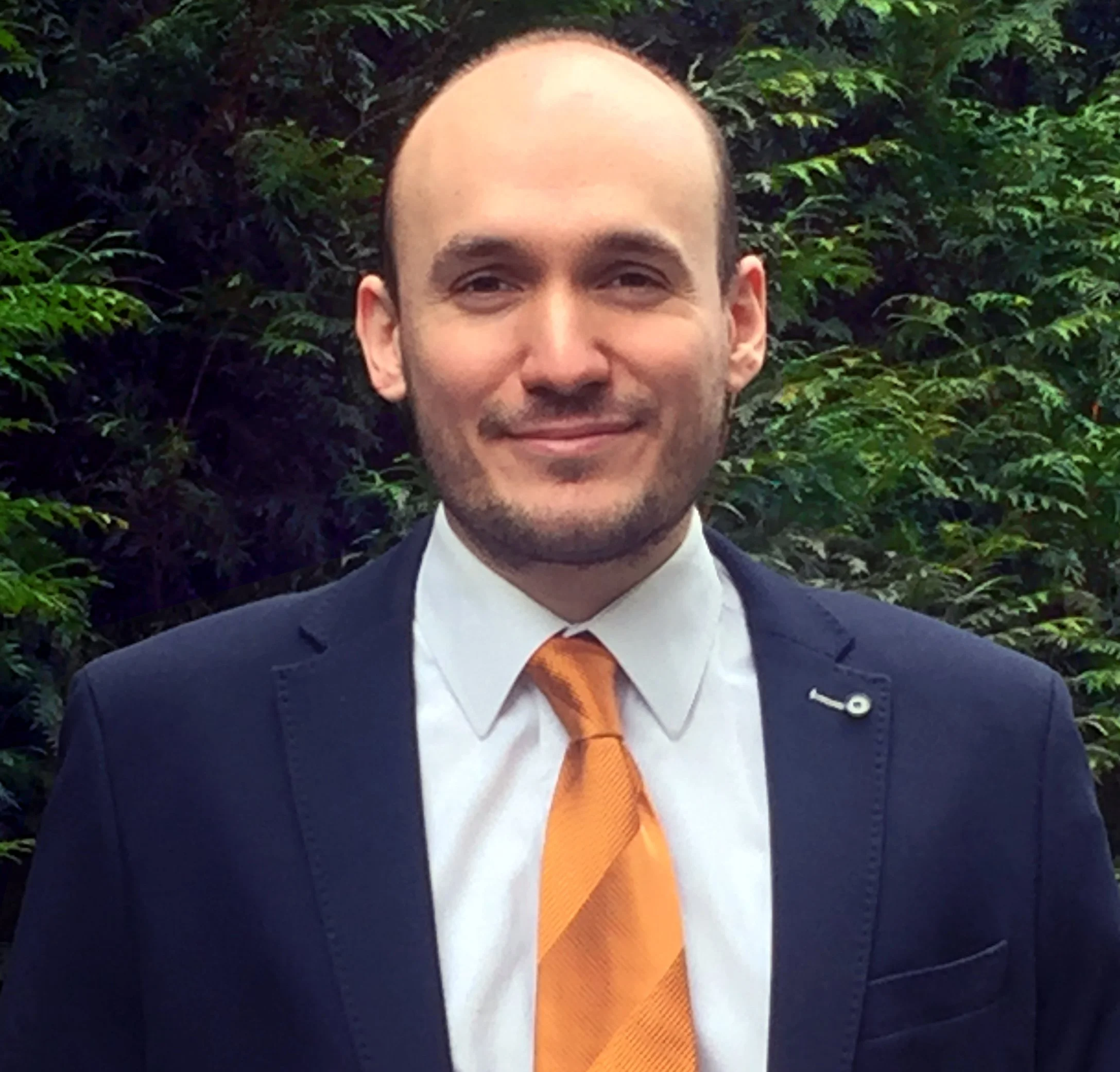
Giulio Formenti is a Research Assistant Professor at The Rockefeller University, Co-Director and Bioinformatics Lead of the Vertebrate Genome Laboratory, and Chair of the Assembly Group for the Vertebrate Genomes Project (VGP).
How has the push toward telomere-to-telomere genomes changed what we consider “complete”?
Giulio Formenti: The push toward telomere-to-telomere (T2T) assemblies has fundamentally redefined what we mean by a “complete” genome. Until recently, many chromosome-level references were considered finished despite containing unresolved gaps, collapsed repeats, and missing centromeric or subtelomeric regions. T2T efforts have shown that these omitted regions often contain important biology, including genes, regulatory elements, structural variants, and key chromosomal features. In our recent T2T zebra finch assembly, for example, completing the genome added nearly 90 million base pairs of previously missing sequence and enabled the first sequence-level characterization of avian centromeres in this species and of a large amplicon gene array on chrZ. “Complete” no longer means simply scaffolded into chromosomes—it increasingly means every chromosome is resolved end-to-end, with all major repetitive and structurally complex regions represented.
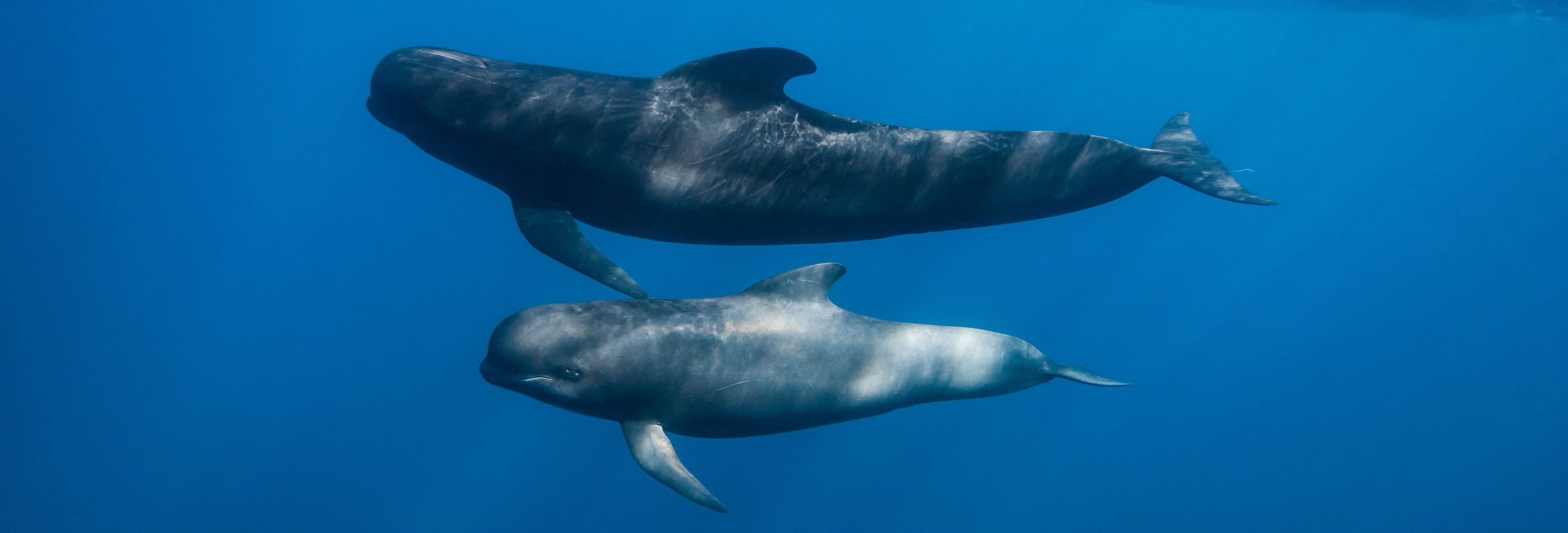
The long-finned pilot whale Globicephala melas.