Shared Science, Global Impact
Biodiversity Genomics at Scale
Across taxa, continents, and disciplines, EBP-affiliated projects are translating ambition into published impact. Together, these initiatives are delivering reference genomes, analytical frameworks, and methodological advances that deepen our understanding of life on Earth while strengthening shared standards for quality, openness, and reuse. Collectively, these publications reflect a global community turning large-scale sequencing into durable scientific, conservation, and societal value.
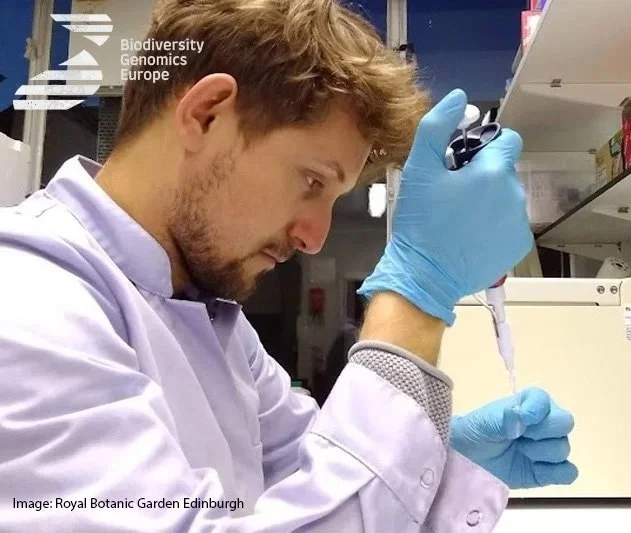
From Permits to Samples: Addressing Key Challenges for High-Quality Reference Genome Generation in Europe
“Within the Biodiversity Genomics Europe project, where many of these procedures have been piloted at scale, ERGA partners have so far attempted sampling approximately 325 species following the approaches outlined here.”
BGE-ERGA
Authors: Katja Reichel, Jaakko Pohjoismäki, Jonas J. Astrin, Astrid Böhne, Chiara Bortoluzzi, Elena Bužan, Javier del Campo, Claudio Ciofi, Camilla B. Di-Nizo, Pradeep K. Divakar, Carola Greve, Vladimír Hampl, Leon Hilgers, Veronika N. Laine, Jennifer A. Leonard, Jesus Lozano-Fernandez, Lada Lukić Bilela, Camila J. Mazzoni, Ann M. McCartney, José Melo-Ferreira, Rita Monteiro, Rebekah A. Oomen, Martina Pavlek, João Pimenta, Michal Rindos, Ole Seehausen, Andrii Tarieiev, Salvatore Tomasello, Olga Vinnere Pettersson, Robert M. Waterhouse, Alexandra A.-T. Weber, Oleksandr Zinenko, and Christian de Guttry.
Journal: Molecular Ecology Resources (2026)
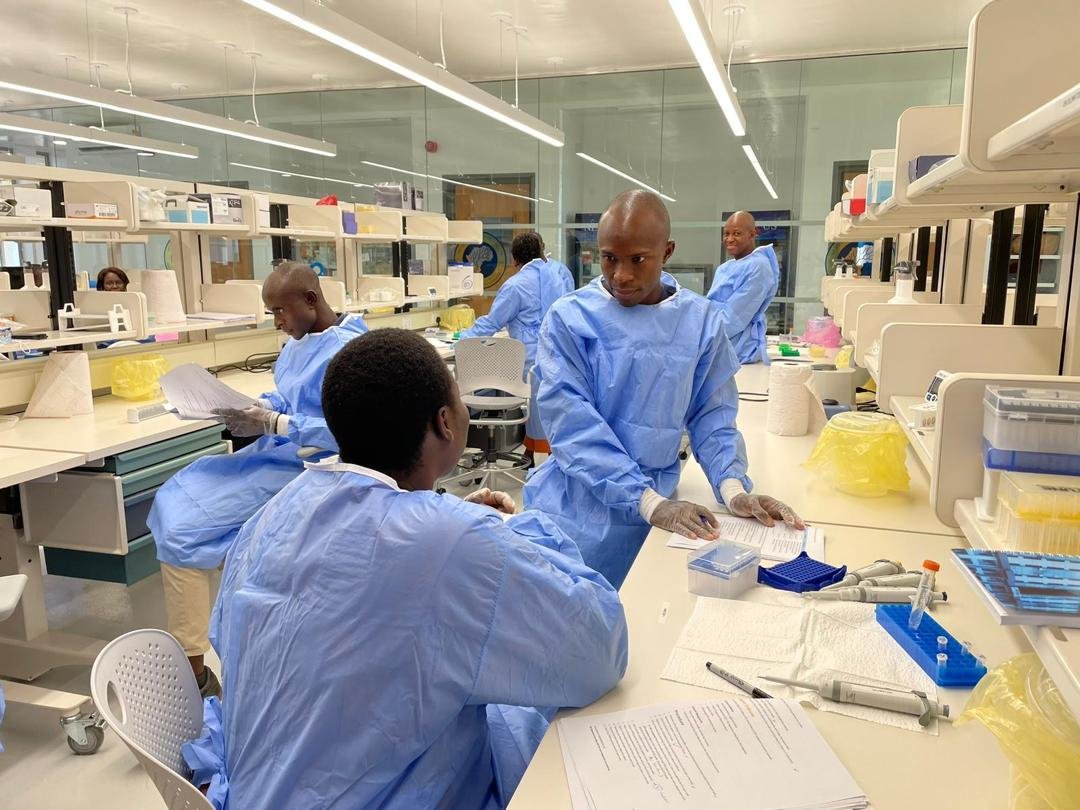
A moment from one of AfricaBP’s 45 hands-on workshops in 2025—building genomic excellence and strengthening Africa-led sequencing capacity across the continent.
Contributions of African biodiversity genomics and bioinformatics to the One Health nexus
“In 2025 the AfricaBP Open Institute organised 45 workshops that attracted around 5000 registered attendees from 75 countries globally and trained 545 African researchers through hands-on practicals.”
African BioGenome Project (AfricaBP)
Authors: Josiah Ochieng Kuja, Cecilia Rumberia Waruhiu, Ichrak Hayah, Hewan Demissie Degu, Samira Ghoor, Rae Marvin Smith, Abdoallah Sharaf, Samuel Paul Kagame, Victor Ezebuiro, Jacinta Abalaka, Asmaa M. Abushady, Victoria Omolola Adedeji, Adedapo Adediji, Andrews Frimpong Adu, Elvince Ager, Shakirat Oloruntoyin Ajenifujah-Solebo, et al., and Anne WT Muigai.
Project Psyche: reference genomes for all Lepidoptera in Europe
“Sequencing all 11,000 species will set a sound foundation for genomics and greatly foster monitoring of all Lepidoptera in Europe, empowering effective biodiversity management and policy, locally and globally.”
Project Psyche at the Wellcome Sanger Institute
Authors: Charlotte J. Wright, Niklas Wahlberg, Roger Vila, Marko Mutanen, Pável Matos-Maraví, Kay Lucek, Irena Kleckova, Leonardo Dapporto, Vlad Dincă, Claudia Bruschini, Christopher W. Wheat, Marta Vila, Laura Torrado-Blanco, Valentina Todisco, Michal Rindos, Petr Nguyen, Peter O. Mulhair, Stefaniya Kamenova, Marcus Hicks, Marianne Espeland, Ines A. Drinnenberg, Mónica Doblas-Bajo, Richard I. Bailey, the Project Psyche Community, Mark Blaxter, and Joana I. Meier.
Journal: Trends in Ecology and Evolution (2025)
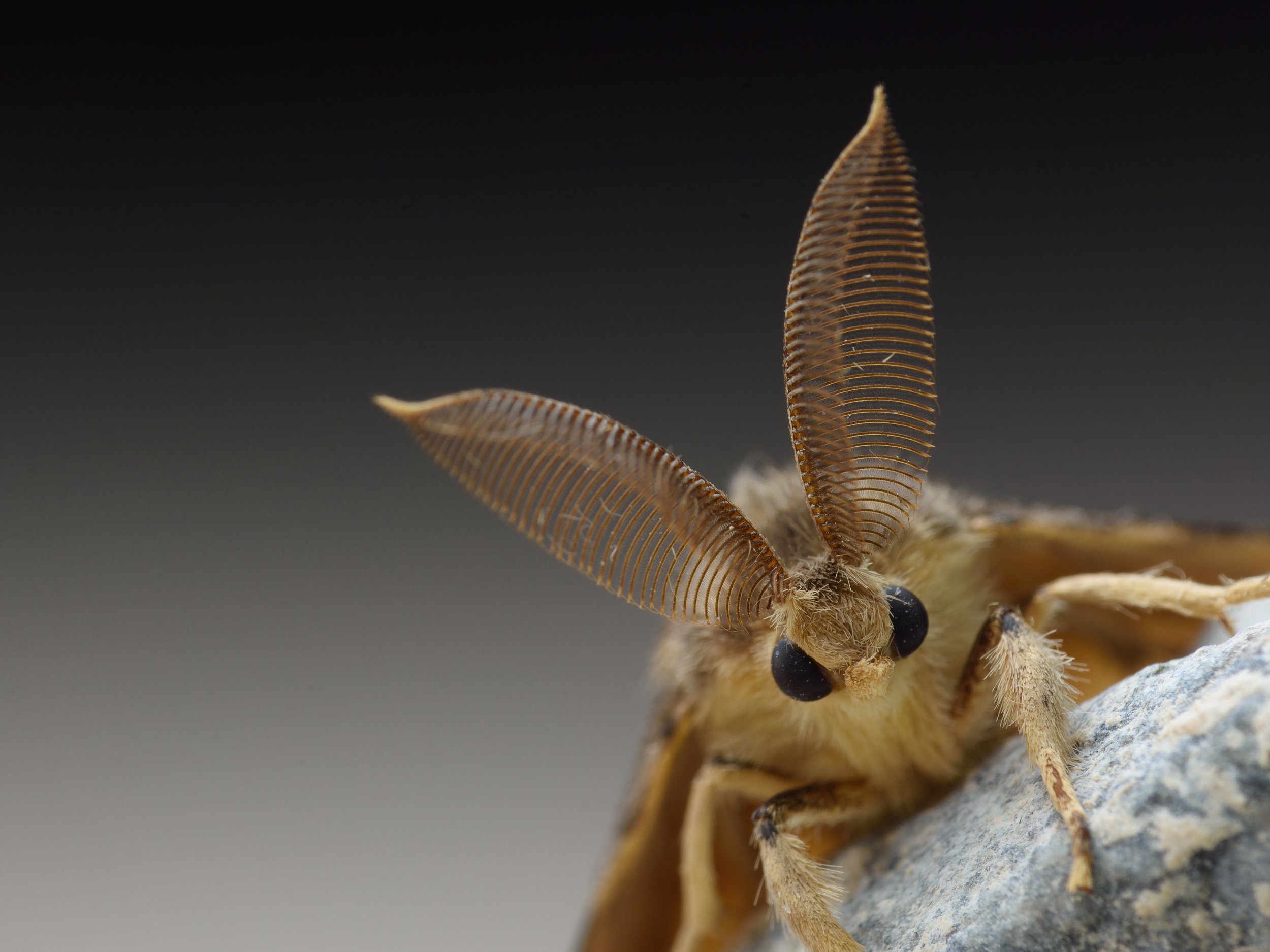
Gypsy moth (Lymantria dispar) — a close-up of a globally impactful forest insect.
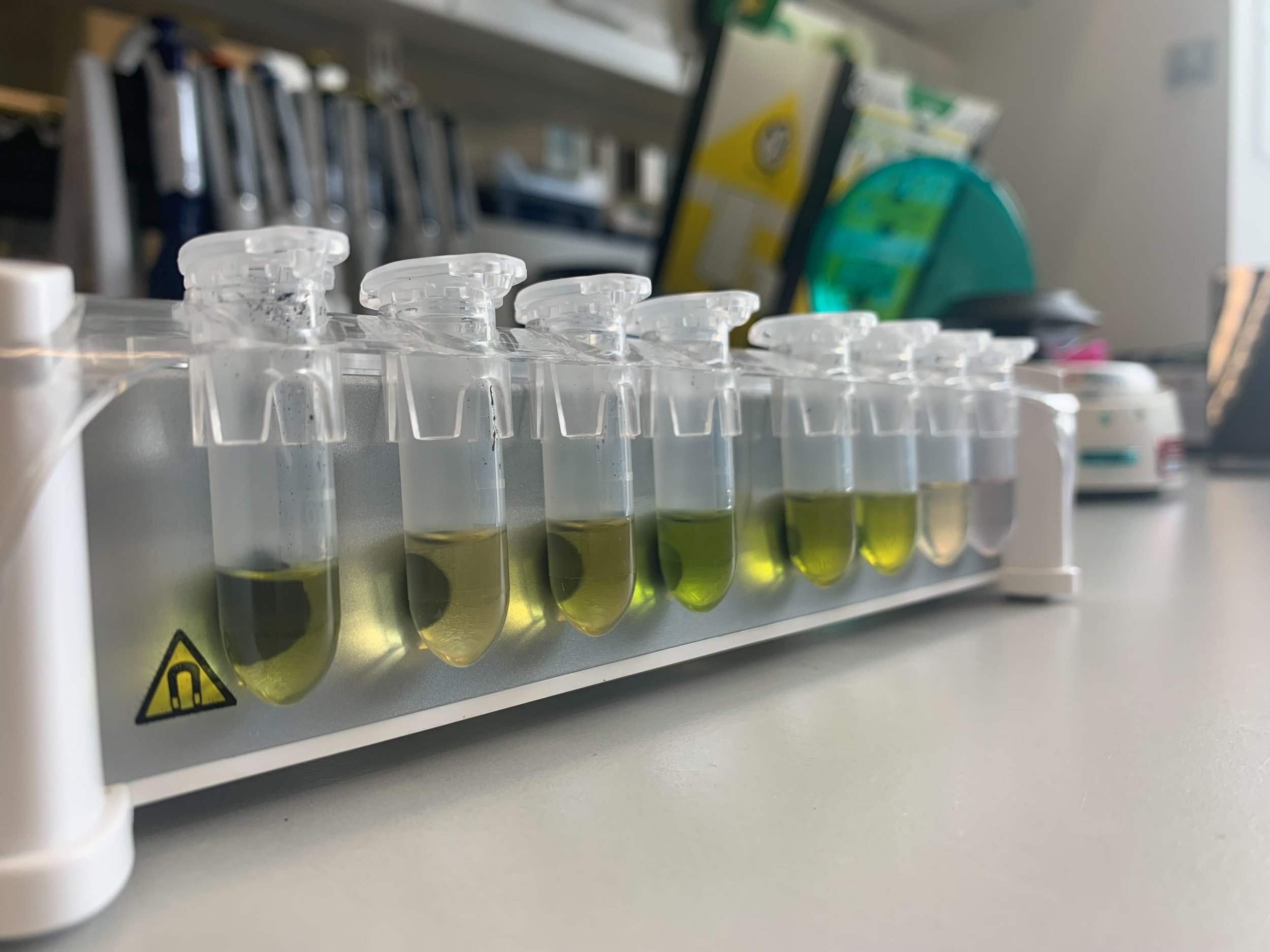
Tree of Life Core Laboratory lab bench during a DNA extraction step. Photo credit: Tree of Life Core Laboratory team.
On the path to reference genomes for all biodiversity: lessons learned and laboratory protocols created in the Sanger Tree of Life core laboratory over the first 2000 species.
“Here, we detail the different workflows we have developed to successfully process a wide variety of species, covering plants, fungi, chordates, protists, arthropods, meiofauna and other metazoa. We summarise our success rates and describe how to best apply and combine the suite of current protocols, which are all publicly available at protocols.io.”
Authors: Howard, C., Brown, T., Chrysostomakis, I., Arantes, L. S., Gerheim, C., Schell, T., Schneider, C., et al.
Journal: bioRxiv (2025)
THE EARTH BIOGENOME PROJECT PHASE II: ILLUMINATING THE EUKARYOTIC TREE OF LIFE
With the right coordination and partnerships, reference-quality genomes at scale are achievable.
Authors: Mark Blaxter, Harris Lewin, Federica Di Palma, Richard Challis, Manuela da Silva, Richard Durbin, Giulio Formenti, Nico Franz, Roderic Guigó, Peter W. Harrison, Michael Hiller, Katharina J. Hoff, Kerstin Howe, Erich Jarvis, Mara Lawniczak, Kerstin Lindblad-Toh, Debra Mathews, Fergal J. Martin, Camila Mazzoni, Ann McCartney, Nicola Mulder, Sadye Páez, PhD, MSPT, MPH, Kim D. Pruitt, Verena Ras, Oliver Ryder, Lesley Shirley, Françoise Thibaud-Nissen, Tandy Warnow, Robert Waterhouse, and the EBP Community of Scientists
Journal: Frontiers in Science
Date: Sept 4, 2025
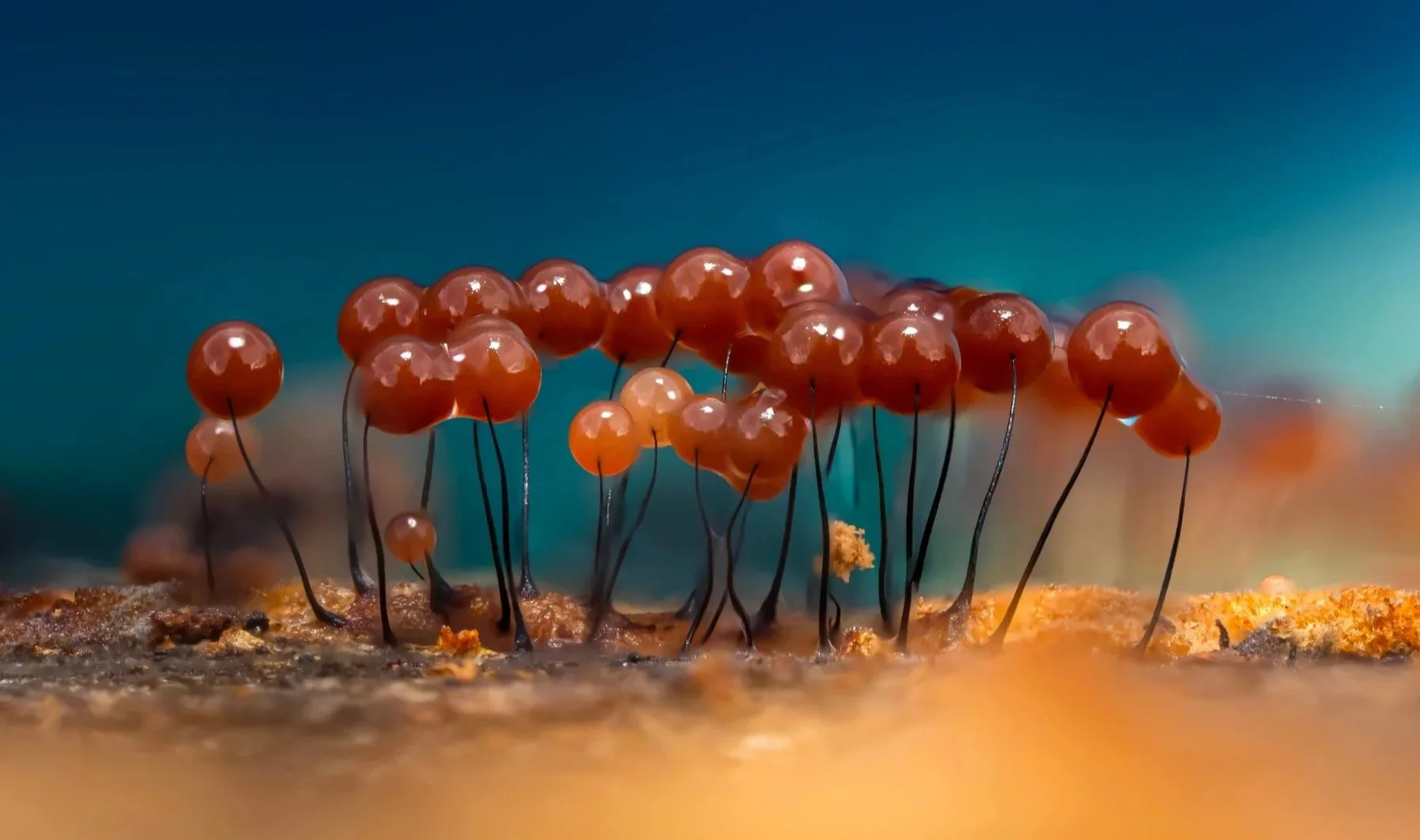
Slime molds — tiny, extraordinary life forms revealing the diversity of eukaryotes.
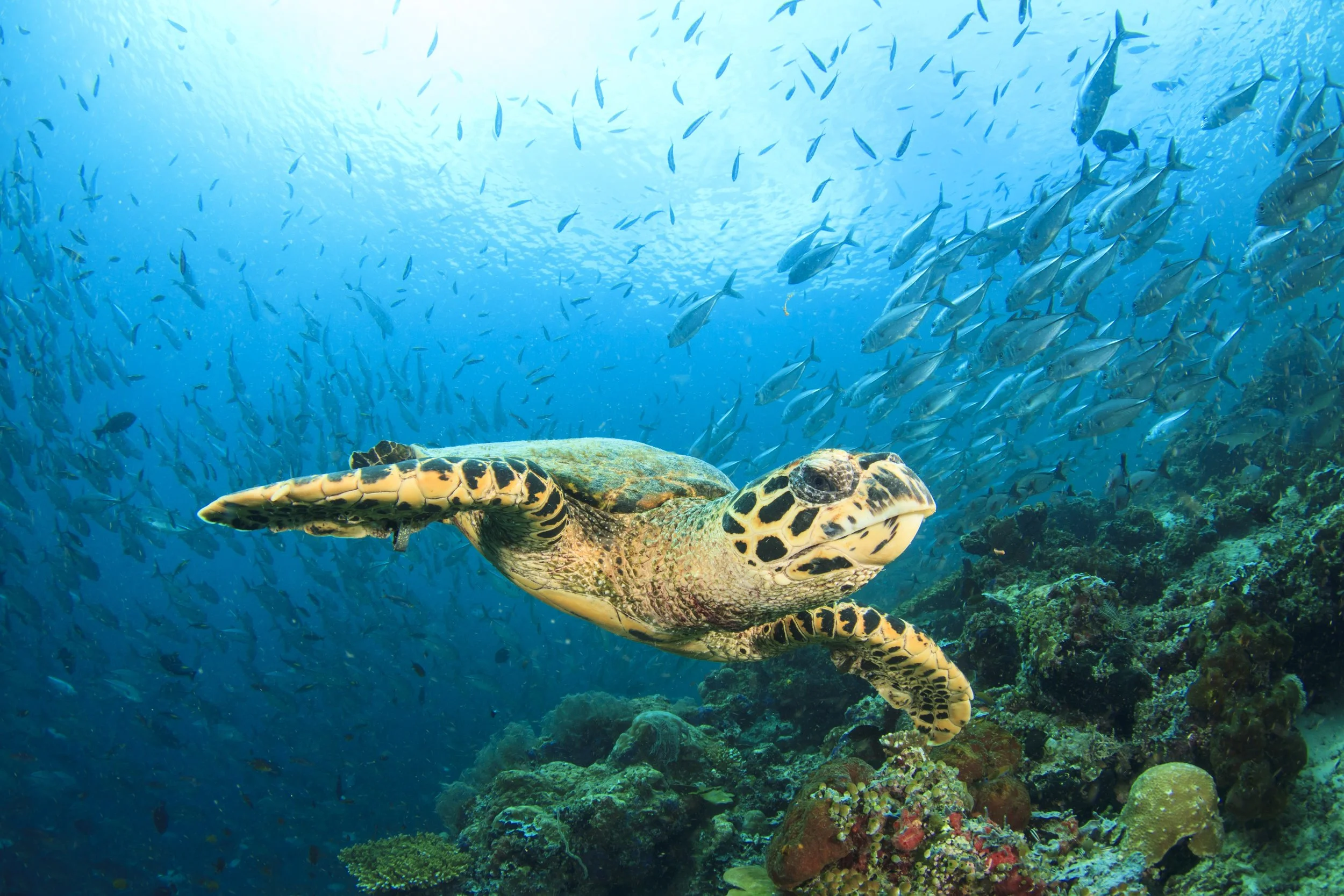
Hawksbill sea turtle, schooling fish, and coral reef.
Haplotype-resolved reference genomes of the sea turtle clade unveil ultra-syntenic genomes with hotspots of divergence.
“Our analysis reveals remarkable genome synteny and collinearity across all species, despite the clade’s origin dating back more than 60 million years.”
Vertebrate Genomes Project together with experts from the U.S. National Oceanic and Atmospheric Administration (NOAA), CSIRO Australia, and the Leibniz Institute for Zoo and Wildlife Research (Germany)
Authors: Larissa S. Arantes, Tom Brown, Diego De Panis, Scott D. Whiting, Erina J. Young, Erin L. LaCasella, Gabriella A. Carvajal, Adam Kennedy, Deana Edmunds, Blair P. Bentley, Jennifer Balacco, Conor Whelan, Nivesh Jain, Tatiana Tilley, Brian O’Toole, Patrick Traore, Erich D. Jarvis, Oliver Berry, Peter H. Dutton, Lisa M. Komoroske, Camila J. Mazzoni.
Journal: GigaScience (2025)