
Meet the EBP voices featured in this issue.
From personal inspiration to scientific ambition, these individuals are helping drive the global effort to genome sequence all life on Earth.
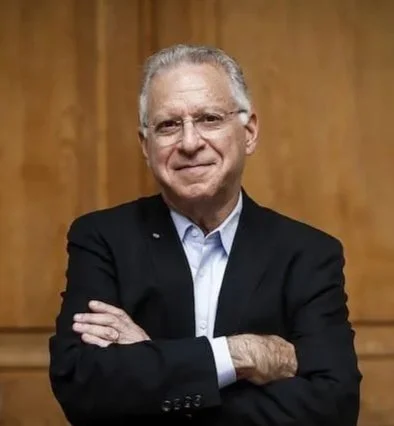
Dr. Harris Lewin, co-founder of the Earth BioGenome Project and Chair of the EBP Executive Council.
Harris Lewin is a distinguished genomicist and global leader in biodiversity genomics. He is a Research Professor at Arizona State University and Distinguished Professor Emeritus of Evolution and Ecology at the University of California, Davis. As Chair of the Earth BioGenome Project Executive Council, he has been instrumental in shaping an international effort to sequence, catalog, and understand the genomes of all known eukaryotic species. His career spans pioneering work in comparative genomics, conservation, and large-scale scientific collaboration, with a sustained focus on building shared scientific infrastructure that enables discovery across disciplines and borders.

Dr. Krystal Tsosie in the Tsosie Lab at ASU’s main campus. Photo courtesy of Joshua Tso / Tsosie Lab.
Dr. Krystal Tsosie is a geneticist and bioethicist, a member of the Navajo (Diné) Nation, and a member of the Earth BioGenome Project (EBP) ELSI Committee, where she helps guide ethical, legal, and social frameworks for global biodiversity genomics. She is an associate director of the Biodiversity Knowledge Integration Center and an assistant professor at Arizona State University. She is also a co-founder of the Native BioData Consortium, advancing Indigenous data sovereignty and community-led genomics research. She serves on international policy groups shaping ethical genomic data sharing practices across global research communities. She is drawn to this work by a commitment to justice, Indigenous governance, and transforming how large-scale science engages communities with respect and accountability.
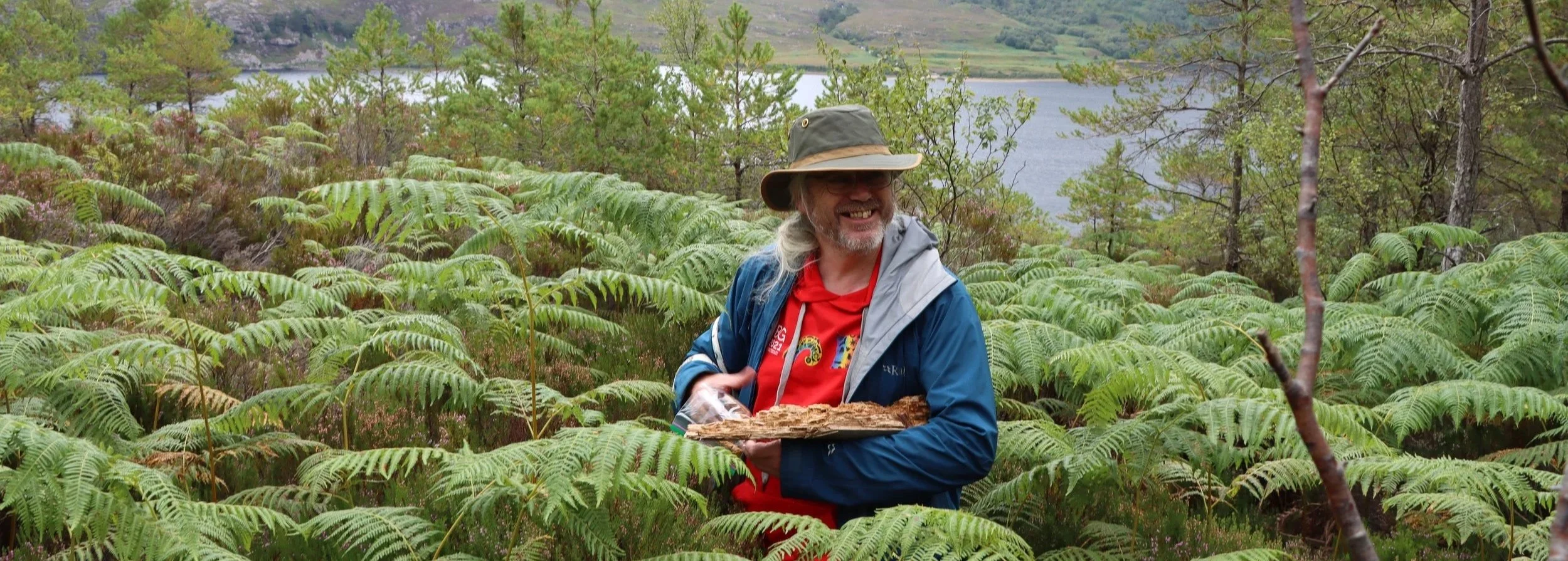
Mark Blaxter, happily lost in a hillside of bracken.
Mark Blaxter: I am a zoologist who has evolved into a genome biologist, with an enduring passion for the neglected and obscure (and, through my career, especially nematodes). After a quarter of a century in an evolution and ecology department at Edinburgh University, I moved to the Wellcome Sanger Institute in 2019 to lead the Tree of Life Programme, a proud affiliate of EBP dedicated to sequencing all of biodiversity.
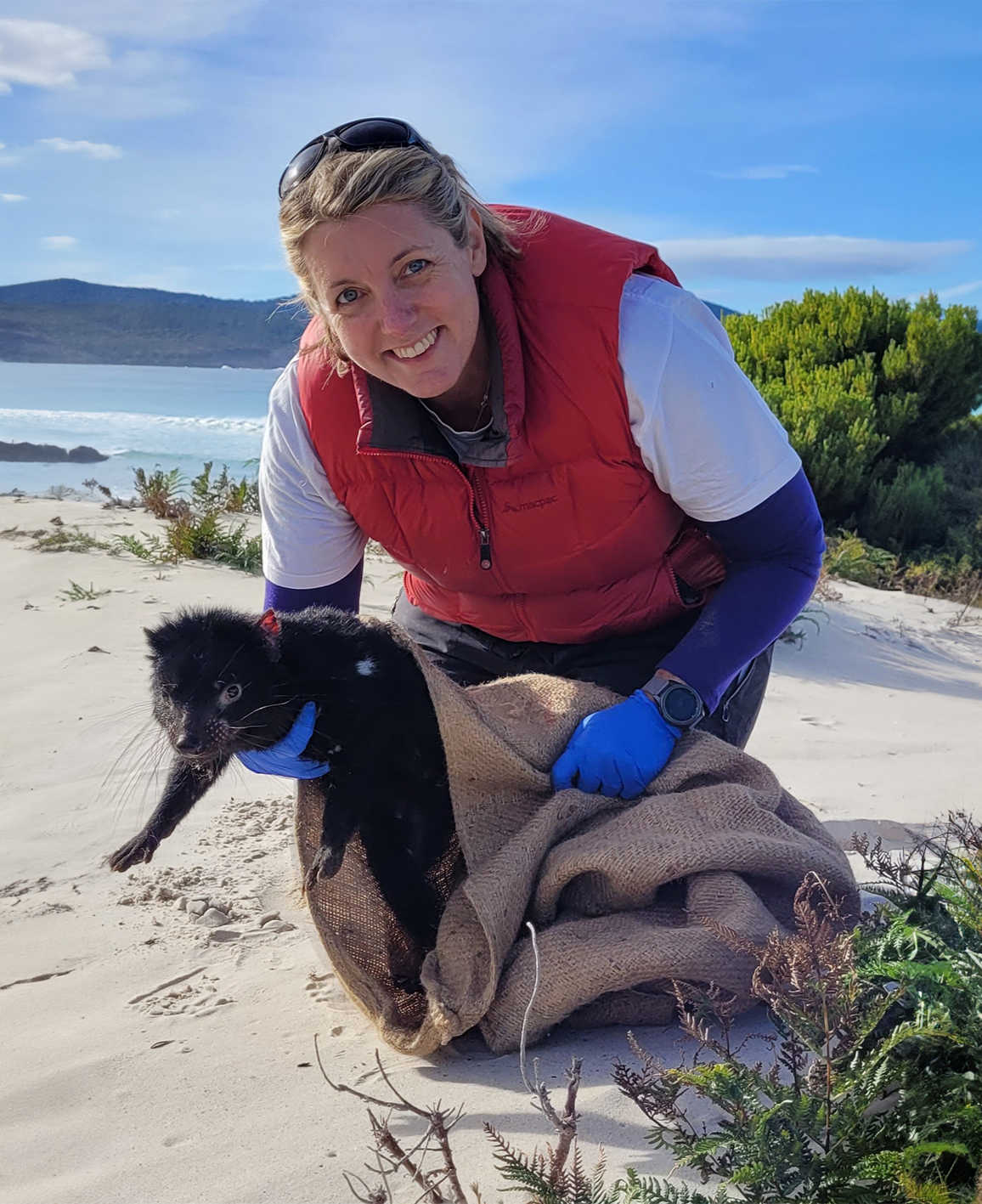
Carolyn Hogg holding a juvenile Tasmanian devil they captured to tag as part of the ongoing management of the species on Maria Island.
Carolyn Hogg: I have been working on the conservation of threatened species for over thirty years both in Australia and overseas. I am the Science Lead & Chair of the national Threatened Species Initiative, a program generating genomic resources for Australia’s threatened species, Professor of Biodiversity and Conservation and co-lead of the Australasian Wildlife Genomics Group in the Faculty of Science, and Deputy Director Engagement for the Sydney Environment Institute. I am also a current member of the Earth BioGenome Project executive council.
My research focuses on the interface of research and conservation management in Australia, driving policy and action for species such as Tasmanian devils, orange-bellied parrots, koalas, bilbies, and woylies. Working closely with my academic and conservation management partners, my vision is to create a conservation legacy for Australia by changing the way we integrate science, management, and policy; to proactively promote species’ resilience in the face of a changing world. We are achieving this by developing better tools and technologies for integration into real-time conservation management decisions.
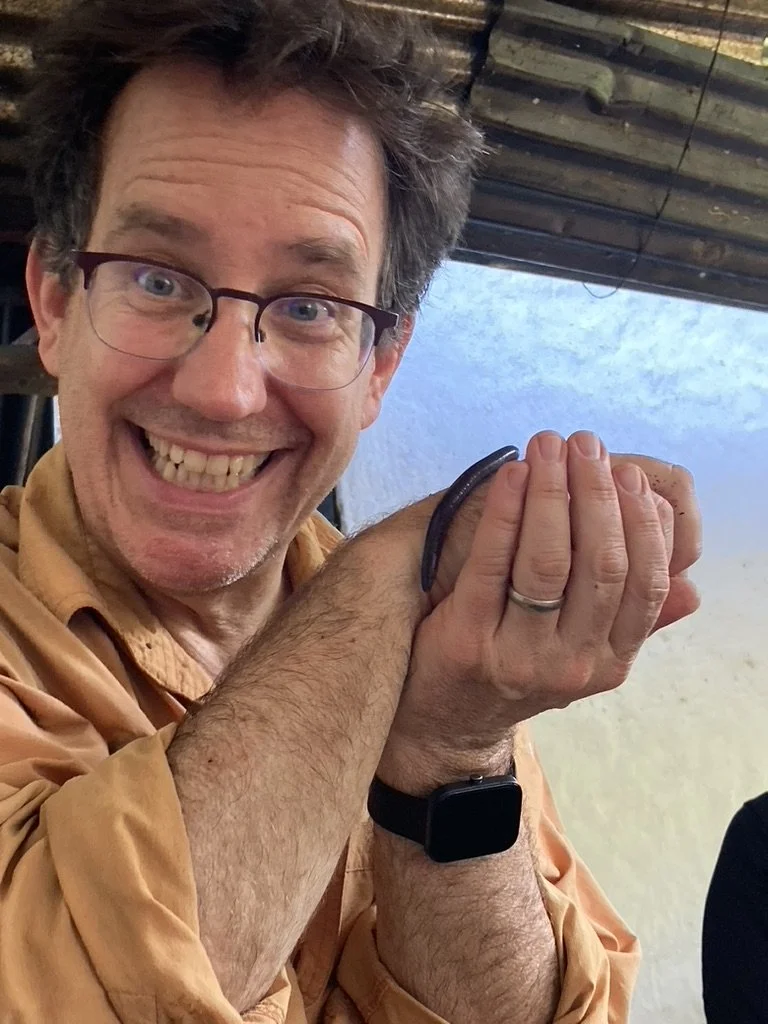
Andrew J. Crawford, excited after finding a rare legless caecilian — an underground-dwelling amphibian rarely seen by humans.
Andrew J. Crawford: Who am I? My name is Andrew J. Crawford. I was a founding member of Genome 10K back in 2009, charged with helping organize the amphibian efforts. As G10K morphed into the Vertebrate Genomes Project (VGP), I was invited to continue as a member of that Council and taxon chair of amphibians, helping prioritize species and locate samples.
I was invited by Harris to participate in the nascent Earth BioGenome Project (EBP), and was later elected by the membership to serve on the initial iteration of the EBP Executive Council. My day job is Associate Professor of Biology and Curator of amphibians, reptiles, and the BioBank at the Universidad de los Andes, Bogotá, Colombia, where I have been for 16 years.
My twin passions are field work and evolution. Genomics appeals to me greatly because the data are unbelievably powerful. Ancient adaptations and very recent demographic changes all leave their imprint in the genome, allowing scientists to reconstruct history in remarkable detail. We can even use genomes to measure adaptive potential and predict future risks. Through EBP, I want to help get this power into more hands and applied to more species to address more needs.
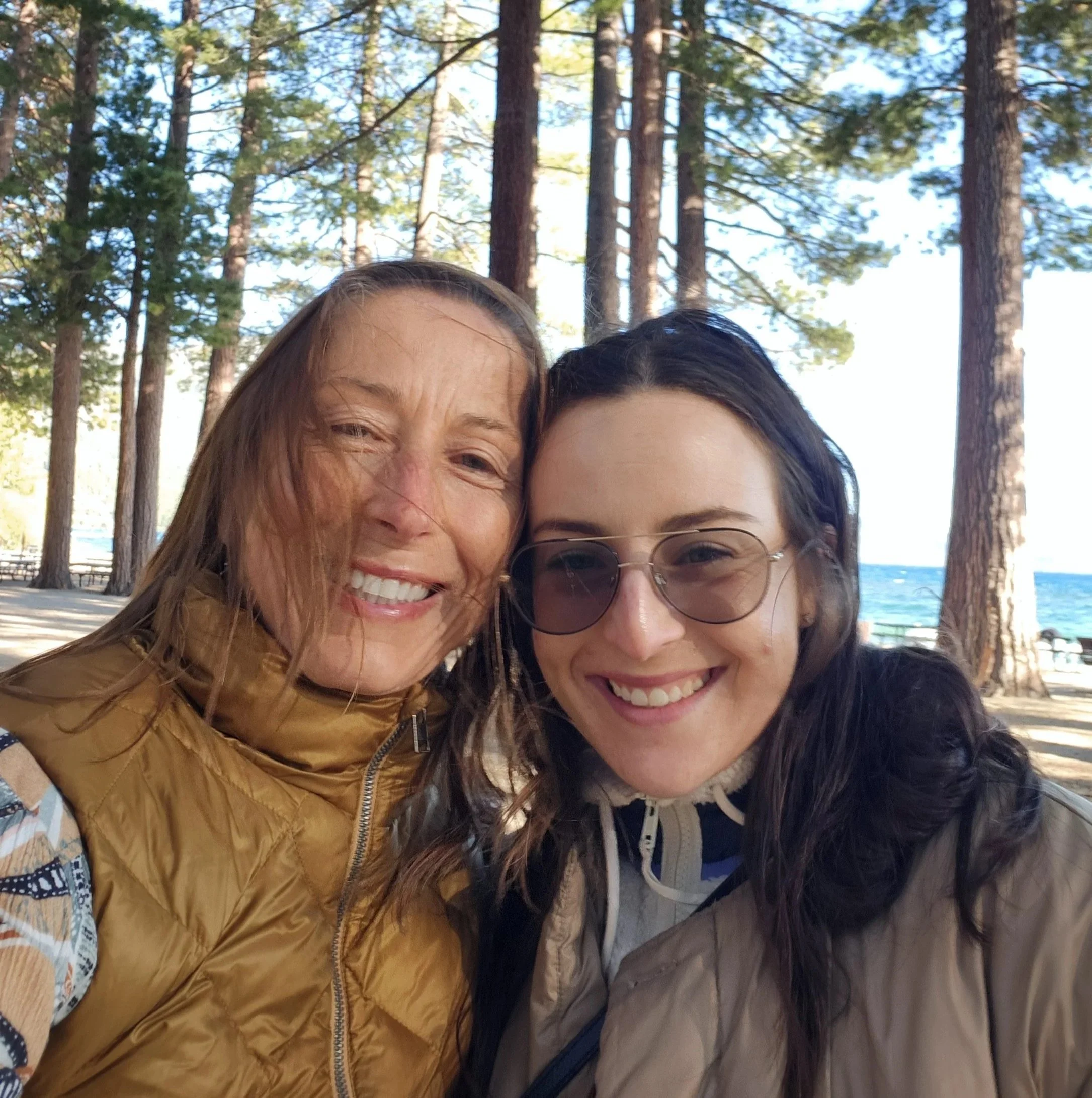
Ann Pace and Wise Ancestors Media Relations Director Lizzy Baum taking a break from the Society of Ethnobiology Annual Conference at Lake Tahoe, Nevada.
Ann Pace: With formal experience in cellular and molecular pharmacology and pharmacogenomics applied to human health, Ann shifted her energies to organizational leadership and capacity building, including helping build the UC Santa Cruz Genomics Institute and the creation of the first working draft of the human genome. Motivated by the accelerating loss of biodiversity and the need for novel approaches to address the growing crisis, she turned her attention to co-founding Wise Ancestors, where she serves as executive director.
Ann is based in Scotts Valley, California, and in addition to Wise Ancestors, spends her time enjoying the local forests and beaches and participating in a local environmental action group.
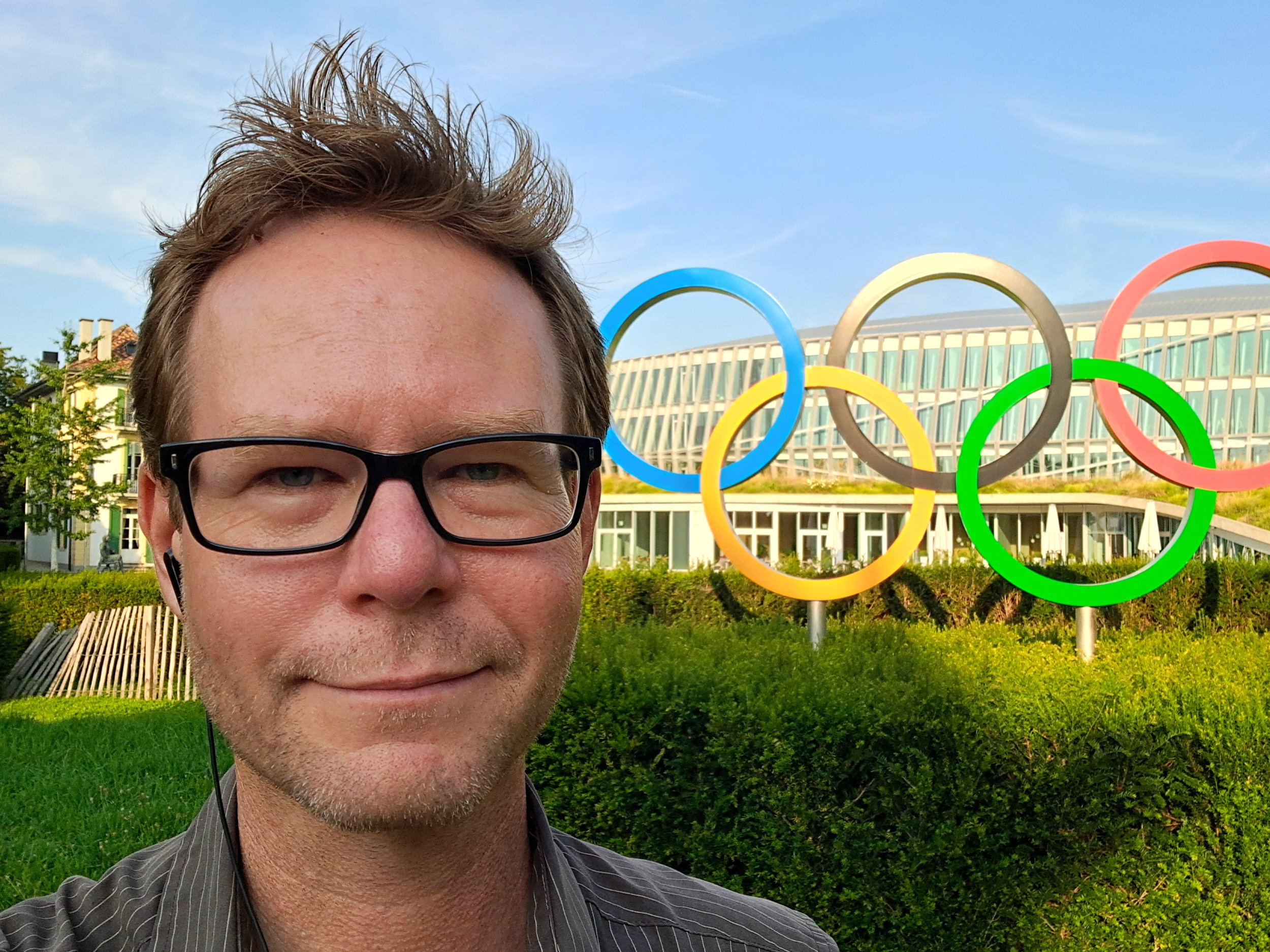
Rob Waterhouse, based in Lausanne, Switzerland — the Olympic Capital and home of the International Olympic Committee.
Based in Lausanne, Switzerland, Rob Waterhouse is Director of the Environmental Bioinformatics Group at the SIB Swiss Institute of Bioinformatics (SIB), where his work focuses on coordinating biodata resources and developing data science tools that support biodiversity genomics and broader integration of environmental data. He is the Chair of the EBP Governance Committee, helping guide governance, policy, and community coherence standards. He is also the Chair of the European Reference Genome Atlas (ERGA), and plays leadership roles in other biodiversity informatics initiatives, reflecting his broader engagement in building infrastructure and training that connects genomics to conservation and society.
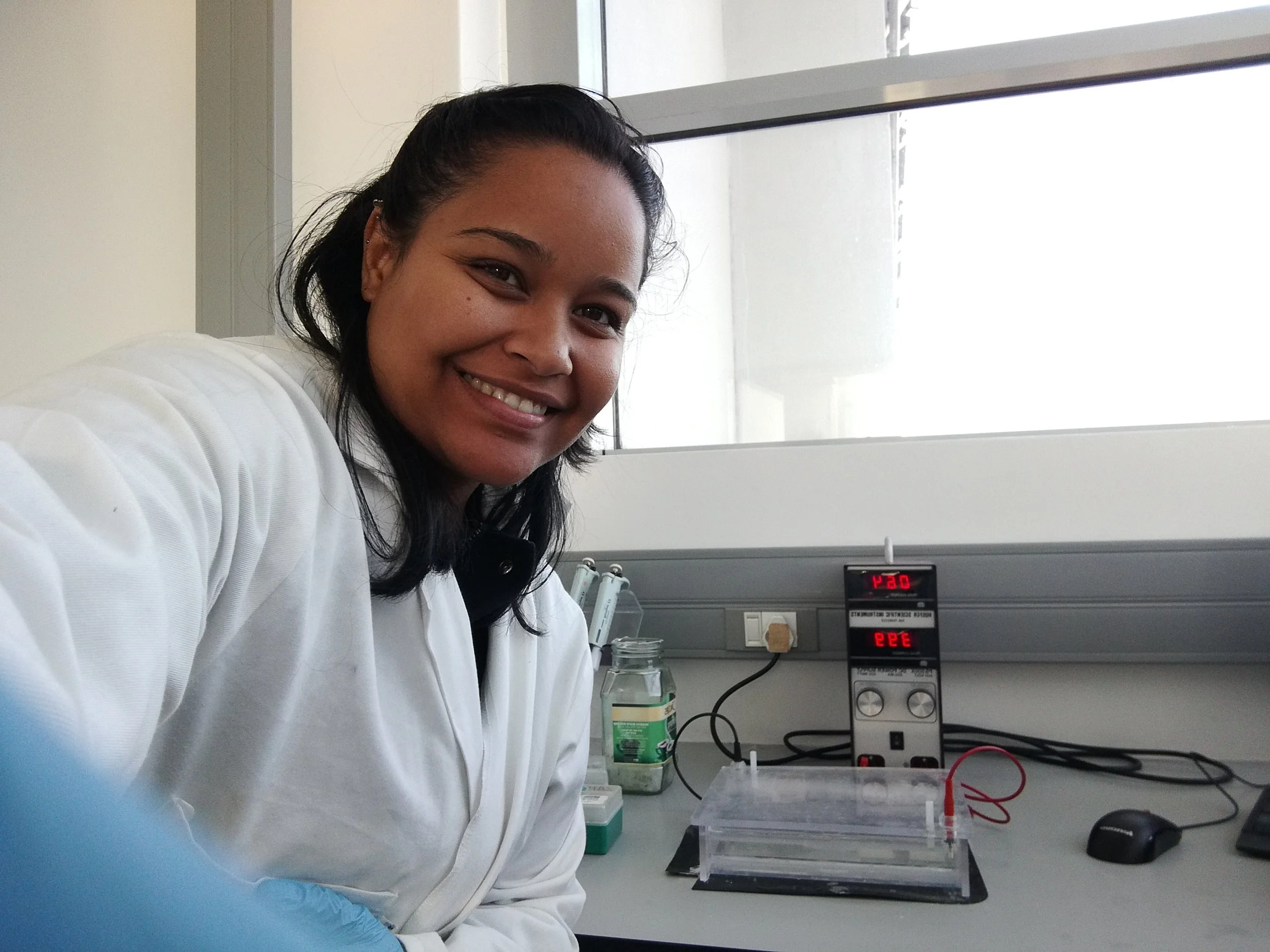
Verena Ras enjoying a day in the lab extracting jellyfish DNA for genetic analysis.
Verena Ras holds a PhD in Biodiversity and Conservation Biology and specialises in the taxonomy and genetics of gelatinous zooplankton. She is a member of the EBP Sample Collections and Processing and Nominations sub-committees and has previously served as Chair of the African BioGenome Project’s Sample Collection and Processing sub-committee.
What draws her to the EBP’s work is the opportunity to connect cutting-edge science with long-term stewardship, ensuring that biodiversity genomics not only advances knowledge, but also empowers the people and institutions best placed to protect it.
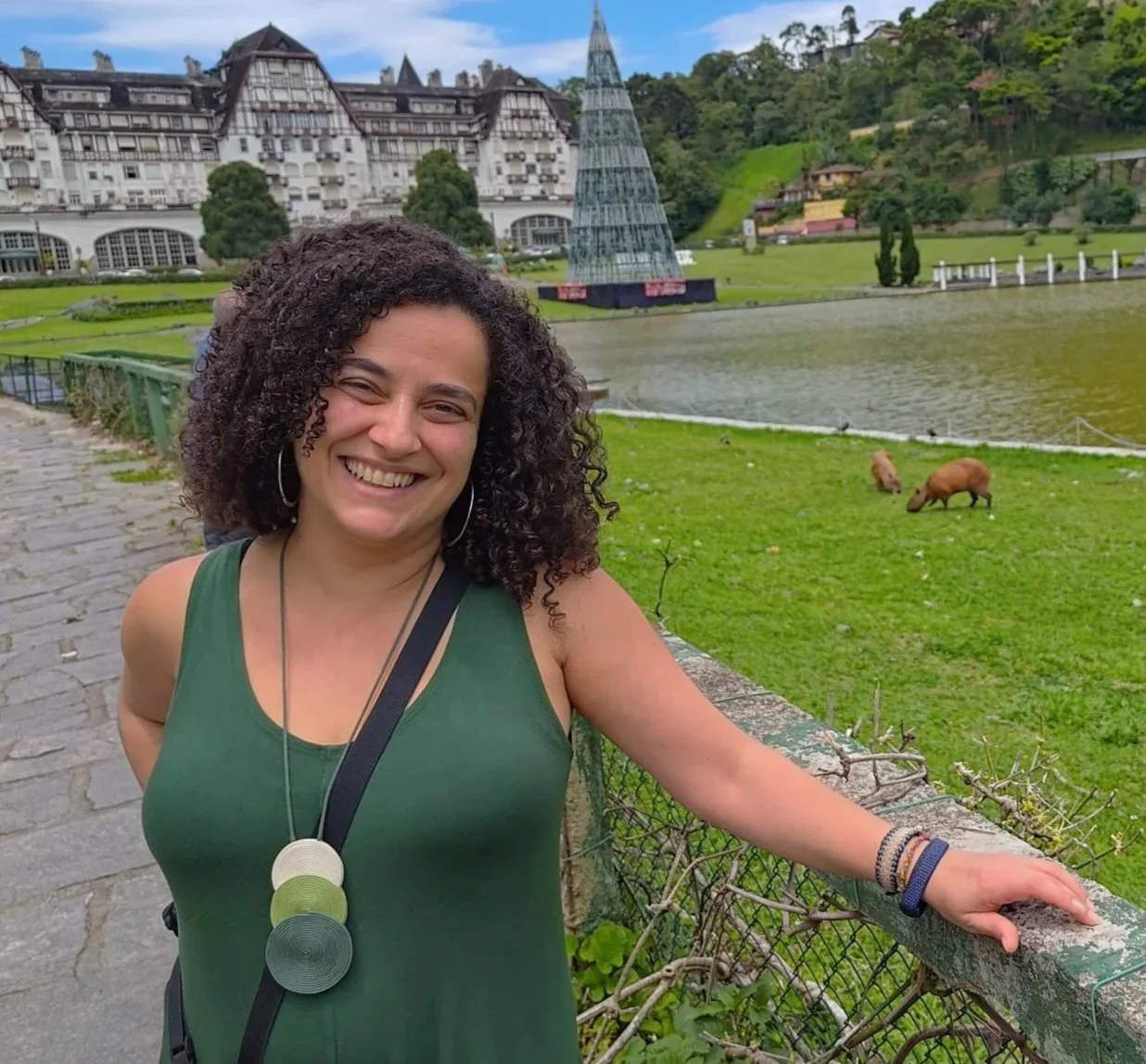
Cibele Sotero-Caio exploring the Palácio Quitandinha, Petrópolis, Brazil.
Cibele Sotero-Caio: I started my journey as a bat cytogeneticist about 20 years ago. Chasing bats and chromosomes took me from Recife, Northeast Brazil to Texas, USA and then to Prague, Czech Republic, before finally leading me to the Wellcome Sanger Institute in the UK. Now I am happy to be part of Sanger's Tree of life Programme, working as the data curator for the Genomes on a Tree (GoaT) database.
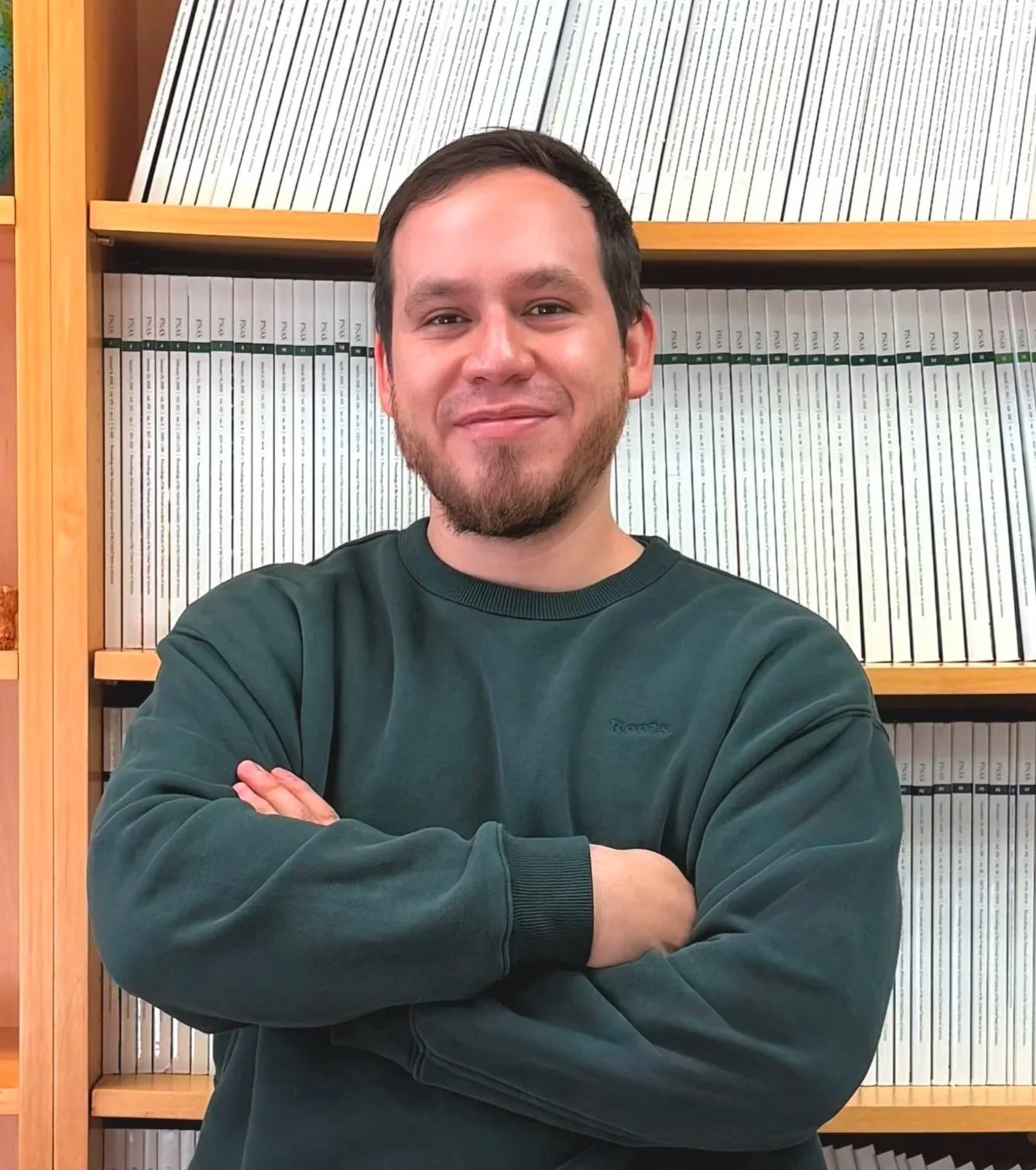
Erick Duarte in the Vertebrate Genomes Project lab conference room.
Erick Duarte is a Bioinformatics Assistant II at the Vertebrate Genomes Project. He focuses on the refinement of high-quality reference genomes through curation and the optimization of processing workflows.
