The Human Side of Genome Sequencing
Ending with people.
Behind every reference genome is a human story. We close with personal reflections—from favorite species and field mishaps to hobbies and rituals—that remind us that this global mission is powered by curiosity, creativity, and the people who make it possible.
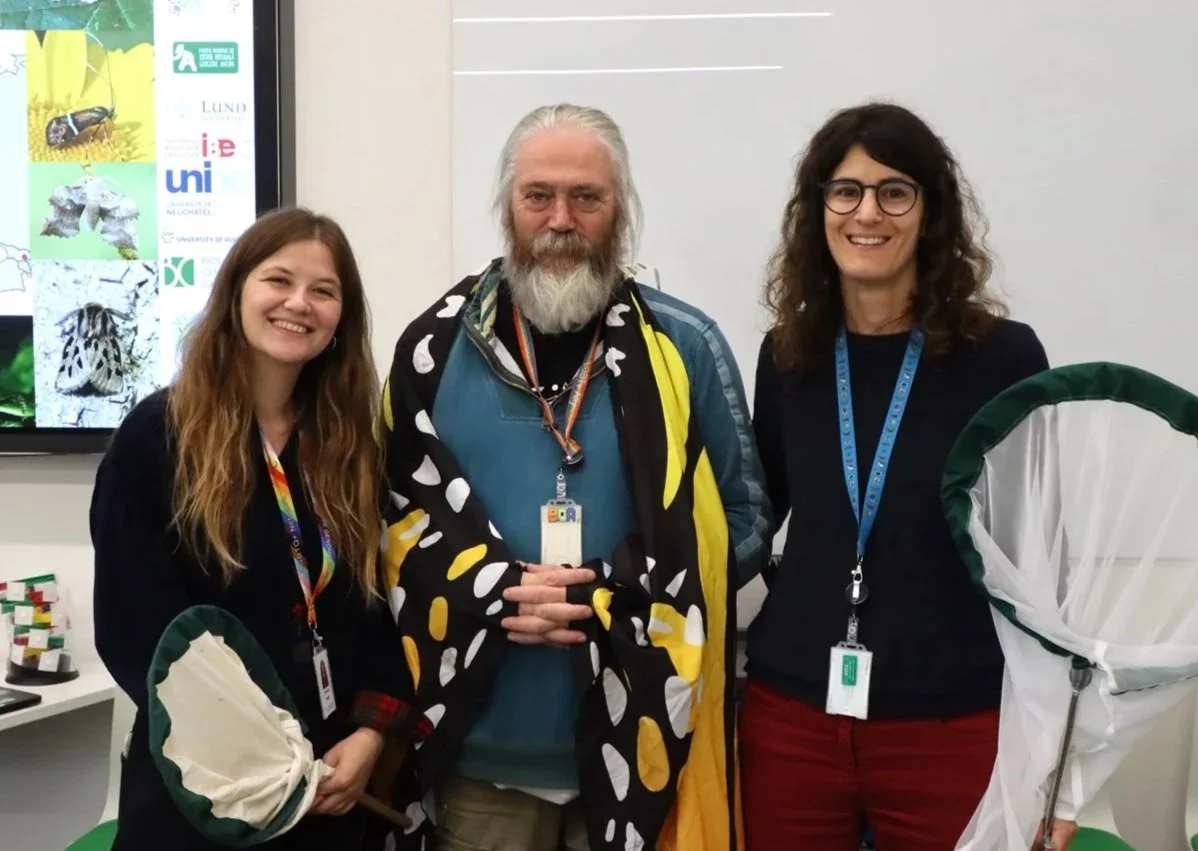
Mark Blaxter with Charlotte Wright (left) and Joana Meier (right), celebrating the first 1,000 butterfly and moth genomes. These genomes were produced by projects including Project Psyche and the Darwin Tree of Life project.
picture credit: Mark Thomson / Wellcome Sanger Institute
What’s a species in your region you feel emotionally connected to, and why?
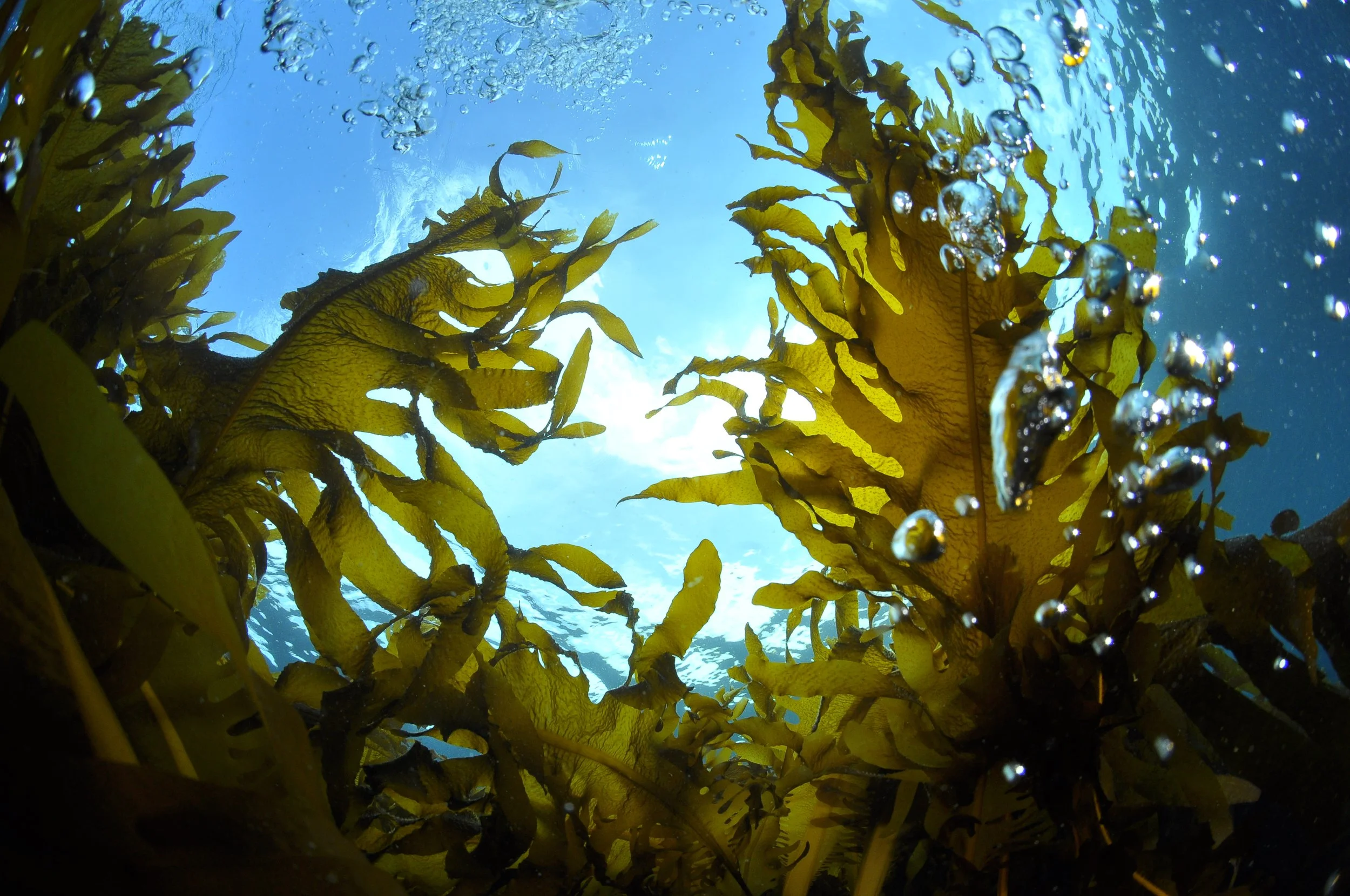
Mark Blaxter: We were cleaning up the messy field lab on Great Cumbrae, an island off the west of Scotland, after a successful trip to collect rockpool and other littoral animals. I was about to dump a blade of oarweed into a bucket for return to the sea when I spotted a tiny jellyfish sticking to it.
I couldn’t believe my eyes: a stauromedusan stalked jellyfish! I had seen pictures of these beautiful animals in zoology books since I was a child (Grzimek’s Animal Encyclopaedia!) and hadn’t thought I would ever see one—never mind collect it for sequencing. Sure enough, the specimen was sequenced and generated a beautiful genome (see “The genome sequence of the spotted kaleidoscope jellyfish, Haliclystus octoradiatus”).
What’s your favorite field story involving mud, weather, or wildlife mischief?
Carolyn Hogg: Tasmanian devils are a unique species whose population has been decimated by over 80% as a result of an infectious cancer. Devils have the second-highest bite force of any terrestrial species, second only to a hyena, but will lie quietly in your lap as you process them as long as their eyes are covered—we can even ‘jugular bleed’ them whilst awake.
We use PVC pipe traps and meat to bait them, and large males have a unique ability to steal the bait by either rolling the trap so the door does not lock, or using their hind legs and tail to stop the door from closing, allowing them to take the bait and leave.
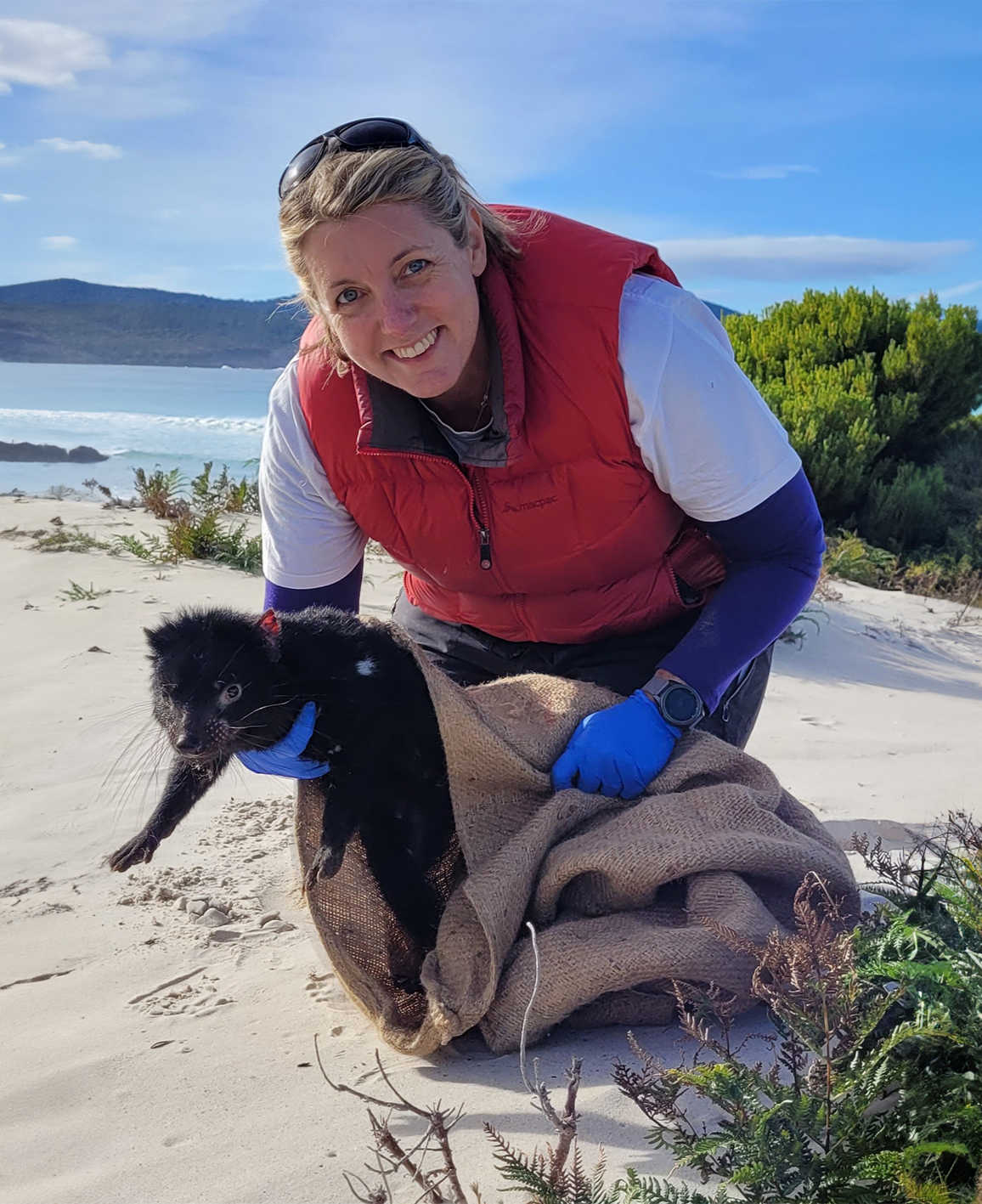
Carolyn Hogg holding a juvenile Tasmanian devil they captured to tag as part of the ongoing management of the species on Maria Island.
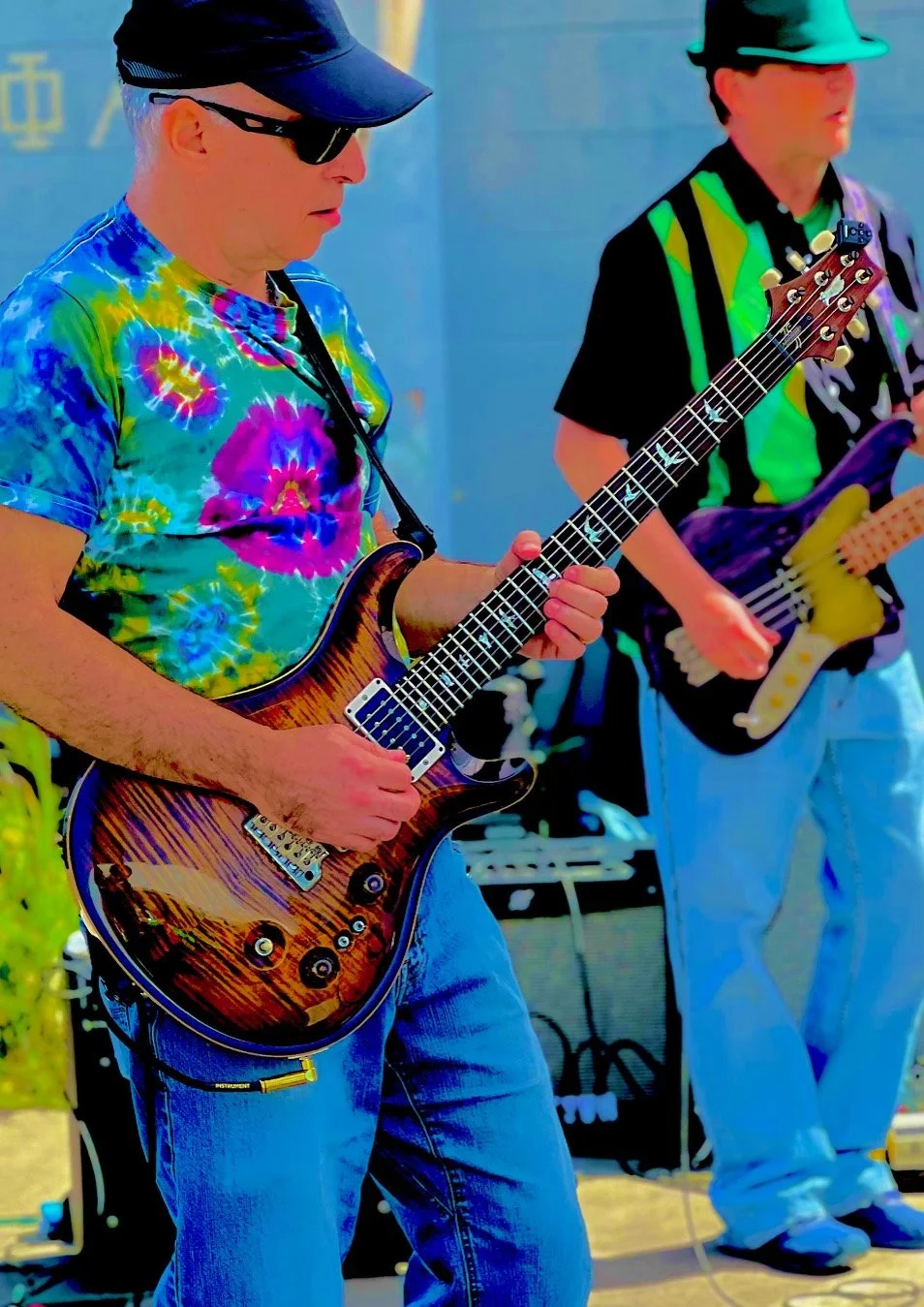
Harris Lewin finds rhythm in both science and music—where curiosity and experimentation never end.
When you aren’t sequencing eukaryotic life, what excites you or what hobbies do you enjoy?
Harris Lewin: When I’m not sequencing eukaryotic life—or thinking about sequencing eukaryotic life—I gravitate toward the outdoors. I love hiking, cycling, and exploring new places around the world. Over 45 years in science, I’ve built a wonderful community of colleagues and friends, and visiting them has become one of the great joys of my travels.
My most passionate hobby, though, is playing the guitar. I’m a lifelong fan of ’60s and ’70s rock and a devoted Grateful Dead aficionado. I even play professionally as a lead guitarist in a seven-piece band that performs throughout the greater Sacramento area. In a funny way, guitar playing and genome sequencing feel similar to me: both offer endless opportunities to improve, experiment, and discover something new.