
Building Biodiversity Genomics at Scale
How operational systems, automation, and scientific infrastructure are reshaping the future of sequencing life on Earth
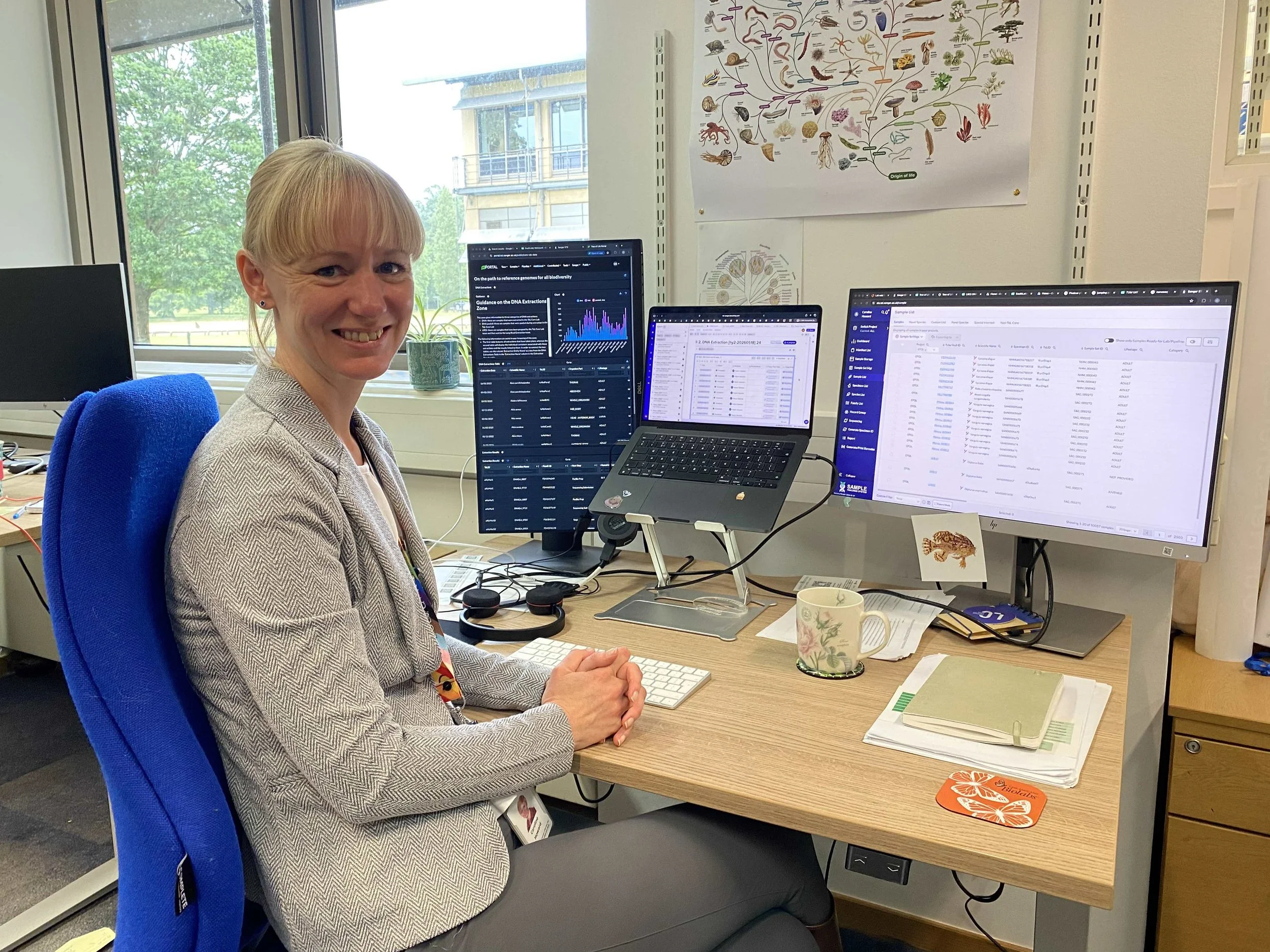
"We cannot do this manually."
For Caroline Howard, that realization defines the future of biodiversity genomics.
Producing a single reference genome was once considered a scientific triumph. Producing 150,000 requires something entirely different. It demands automation, operational infrastructure, and new ways of learning from biological diversity.
For decades, a single species could occupy a research team for months—or even years. Every DNA extraction was tailored to the organism, every genome presented unique technical challenges, and success depended on painstaking optimization, patience, and the expertise of individual researchers.
That approach works when sequencing one species.
It does not work when the goal is sequencing hundreds of thousands.
As the Earth BioGenome Project (EBP) enters Phase II with the goal of generating reference genomes for 150,000 species, the challenge has fundamentally changed. Success is no longer measured solely by the quality of individual genomes, but by the ability to build systems capable of processing Earth's biological diversity efficiently, reliably, and continuously.
Few teams illustrate that transformation better than the Tree of Life Research and Development team at the Wellcome Sanger Institute.
Led by Caroline Howard, the team develops the laboratory methods, automation, and operational workflows that enable high-quality genome production across an extraordinary diversity of organisms.
"We work a bit differently to probably most places doing reference genome assembly," Howard explained. "Right from the beginning, we've always been focused on producing reference genomes at scale."
Today, the team supports projects spanning much of the Tree of Life, including plants, fungi, arthropods, vertebrates, marine organisms, protists, tardigrades, and nematodes.
Working across thousands of species has taught the team one of the defining lessons of biodiversity genomics:
Different groups fail for different reasons.
Some tissues yield exceptionally high-quality DNA. Others contain compounds that interfere with extraction. Preservation methods that perform well for vertebrates may be unsuitable for plants or marine invertebrates. Tiny organisms often provide only minute amounts of starting material, while others arrive carrying complex microbial communities that complicate sequencing and genome assembly.
Rather than forcing every organism through a single standardized pipeline, Howard's team has built expertise around biology itself. Researchers become specialists in particular branches of the Tree of Life, learning where challenges are most likely to arise and how laboratory workflows can be adapted to overcome them.
"That very cutting-edge, what's perfect for this sample level of expertise, sits with that person in that taxonomic group."
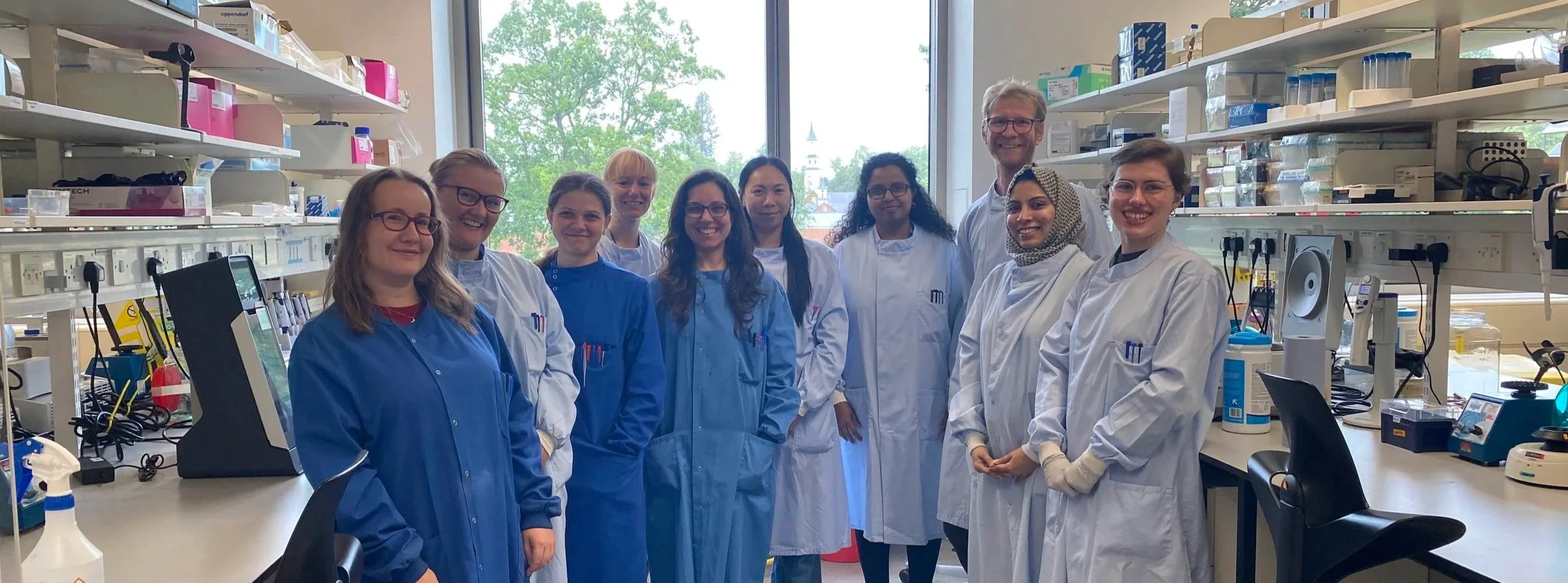
The Tree of Life R&D team at the Wellcome Sanger Institute combines expertise across plants, fungi, protists, marine organisms, arthropods, vertebrates, nematodes, and other branches of the Tree of Life. Together, their collective knowledge allows genome sequencing to scale across Earth's extraordinary biological diversity.
Learning From Failure
One of the most distinctive aspects of Howard's philosophy is how her team approaches failure.
In many research laboratories, a failed sample becomes the immediate priority. Researchers stop what they are doing, troubleshoot the problem, and continue only once it has been solved.
That approach is practical when working on a handful of genomes.
It becomes impossible when thousands of samples are moving through production.
"We've accepted a level of failure, and that's fine," Howard said. "If we get a 60% success rate with a batch of samples, we progress the 60% that work, and then later we come back to the 40% that don't."
Rather than treating unsuccessful samples as isolated technical problems, the team views them as opportunities to improve the system itself.
Researchers look for recurring patterns across taxonomic groups. Are certain organisms consistently difficult to extract DNA from? Does a preservation method reduce long-read sequencing quality in particular taxa? Are contamination issues associated with specific biological traits?
By identifying trends instead of solving individual failures, they develop methods that improve genome production across hundreds—or even thousands—of related species.
"We've been happy to fail fast and then learn."
The goal is not simply to solve today's problem. It is to prevent tomorrow's.
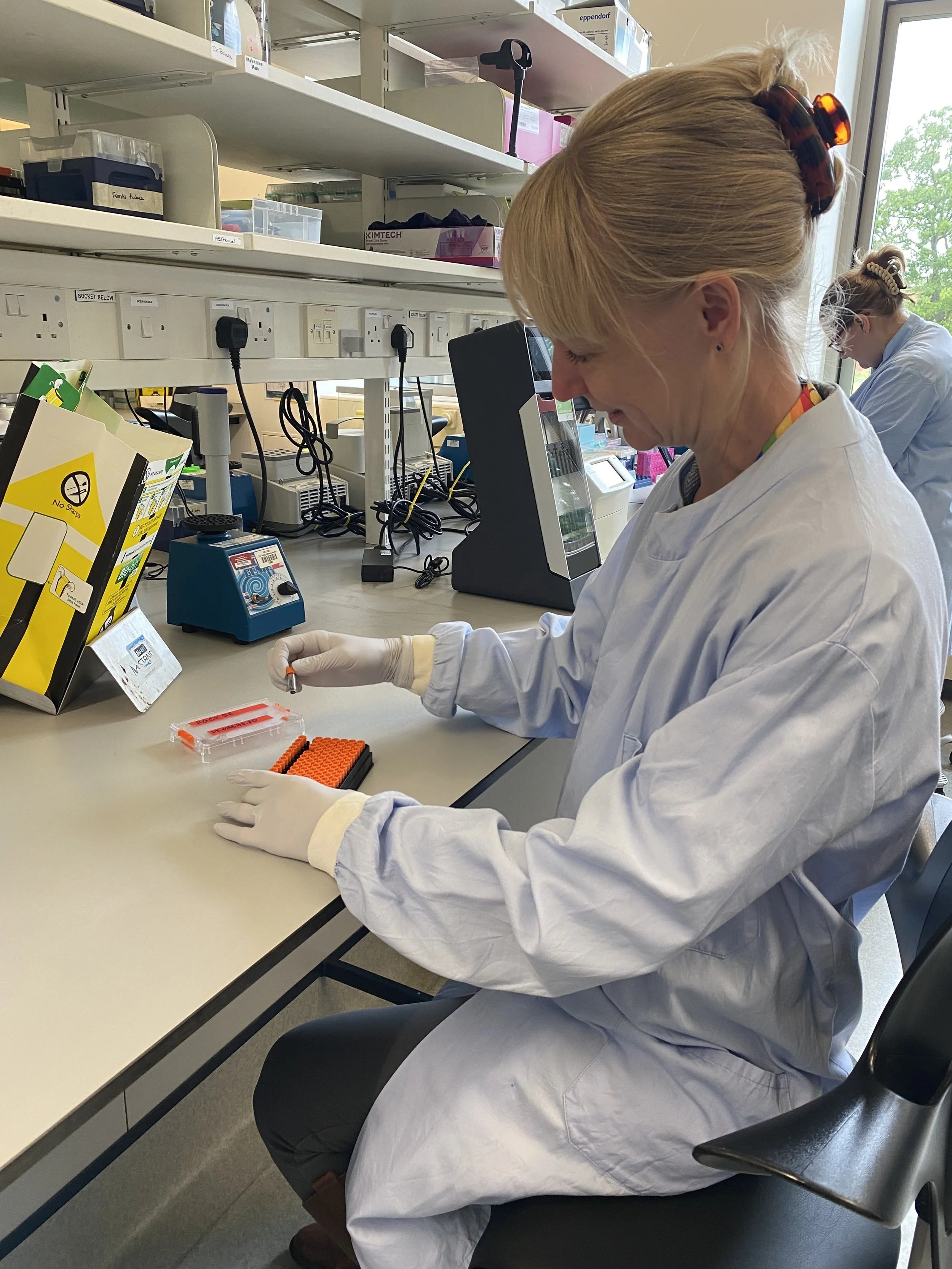
At the Wellcome Sanger Institute, research and production operate as a continuous feedback loop. New scientific discoveries become tomorrow's standard workflows, enabling biodiversity genomics to scale.
Where Research Meets Production
Howard describes her team's work as balancing two objectives simultaneously.
"My whole team hold two different work plans in their mind all the time."
One priority is maintaining a smooth production pipeline. The other is understanding why certain organisms repeatedly fail to move through it.
Every bottleneck becomes an opportunity for research.
The team continually evaluates new preservation methods, DNA extraction chemistries, tissue disruption techniques, sequencing approaches, and laboratory workflows. Successful innovations are incorporated into routine production, while new biological challenges become the focus of future experiments.
Production and research therefore operate as a continuous feedback loop. Routine sequencing reveals new scientific questions, and research discoveries steadily improve future genome production.
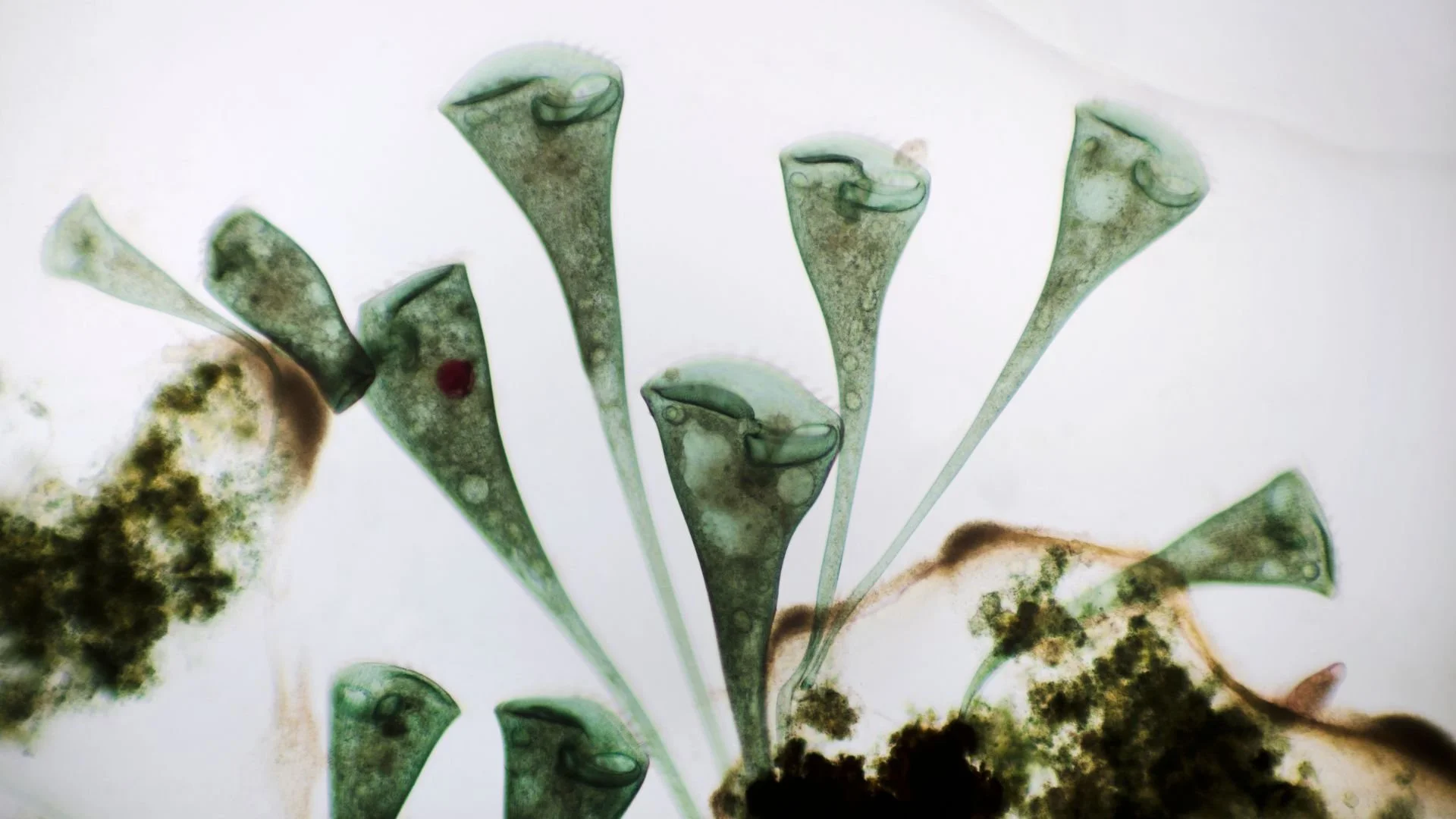
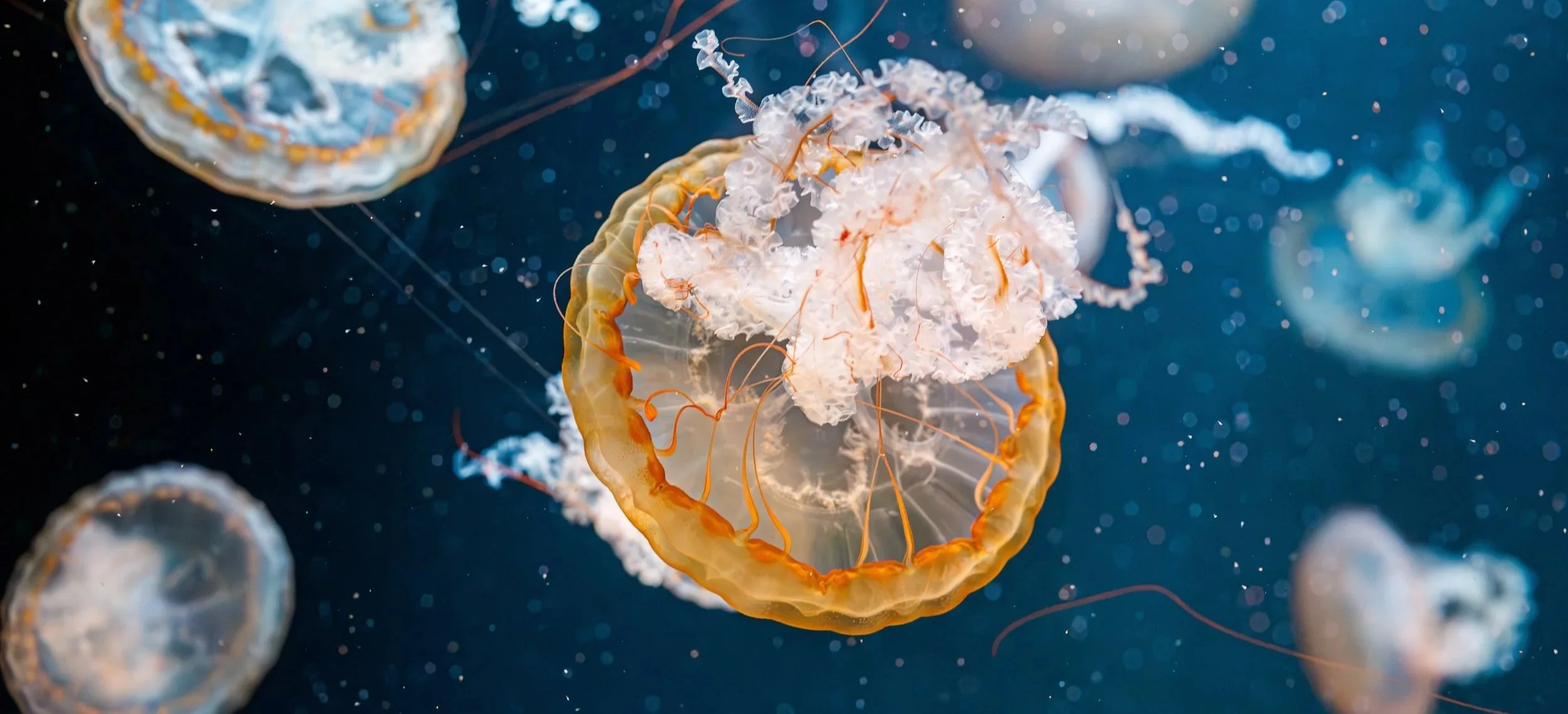
Protists are among the most technically challenging groups for reference genome production. Scaling biodiversity genomics depends not on perfecting one protocol, but on developing workflows that can adapt to extraordinary biological diversity.
When Perfection Becomes the Bottleneck
One of the greatest challenges in large-scale science is deciding when optimization has reached the point of diminishing returns.
Many of the methods now used routinely at the Wellcome Sanger Institute began as painstaking manual protocols refined over years of experimentation.
Eventually, however, manual optimization becomes the limiting factor.
"At some point, you have to decide that 80% success is enough to move forward and scale," Howard said.
One example involved adapting high-molecular-weight DNA extraction onto automated KingFisher systems using magnetic bead-based chemistry.
The objective was not to outperform every carefully optimized manual protocol. It was to create a workflow capable of producing consistently high-quality DNA across hundreds of samples every day.
"There just wasn't another option."
The same philosophy guided another innovation developed by Howard's team.
Researchers wanted to improve tissue disruption using bead beating, but there were concerns that friction-generated heat would damage long DNA molecules.
Instead, they cooled sample racks in liquid nitrogen before disruption, keeping tissues frozen throughout processing. DNA quality was preserved while DNA yields increased substantially.
The approach is now routinely used for plants and has since been expanded to additional taxonomic groups.
Each improvement removes another bottleneck, allowing the team to tackle increasingly difficult biological challenges.
Building the Infrastructure Behind Every Genome
As genome production expands, biology is no longer the only challenge.
Information becomes equally important.
Thousands of samples move through preservation, extraction, library preparation, sequencing, assembly, curation, storage, and public databases. Managing that complexity with spreadsheets quickly becomes unsustainable.
"We had to move away from Google Docs," Howard said.
Today, integrated laboratory information systems automatically track freezer inventories, barcode scans, sequencing metadata, workflow status, and downstream databases.
Most researchers never see this infrastructure. It rarely appears in publications and is invisible within the finished genome assemblies themselves.
Yet without it, large-scale biodiversity genomics would grind to a halt.
As Howard put it:
"We want our scientists solving biological problems, not spending their time moving information between spreadsheets."

Butterflies and moths (Lepidoptera) have become one of the most scalable groups for large-scale genome sequencing, with standardized workflows enabling the routine production of high-quality reference genomes.
Building the Future of Biodiversity Genomics
For much of genomics history, producing a reference genome was the milestone.
Today, the milestone is different.
The challenge is building a system capable of generating thousands of high-quality genomes while continuously adapting to the remarkable diversity of life.
That requires automation.
It requires robust information systems.
It requires continual scientific innovation.
Most importantly, it requires people whose expertise extends beyond sequencing technologies to the biology of the organisms themselves.
"Have amazing people on your team who are deeply invested in getting all of these beautiful organisms through, and who give them their love and attention because they understand how important it is," Howard said. "That is really why anything happens."
The Earth BioGenome Project is often described as an effort to sequence life on Earth.
Listening to Howard, it becomes clear that another equally ambitious project is unfolding alongside it.
Scientists are building the laboratory methods, operational systems, and scientific expertise that will make biodiversity genomics possible not just for the next 150,000 species, but for the millions that follow.
Because the future of biodiversity genomics is not simply about sequencing more genomes.
It is about building the infrastructure that allows science itself to scale.
And that begins with a simple realization:
"We cannot do this manually."
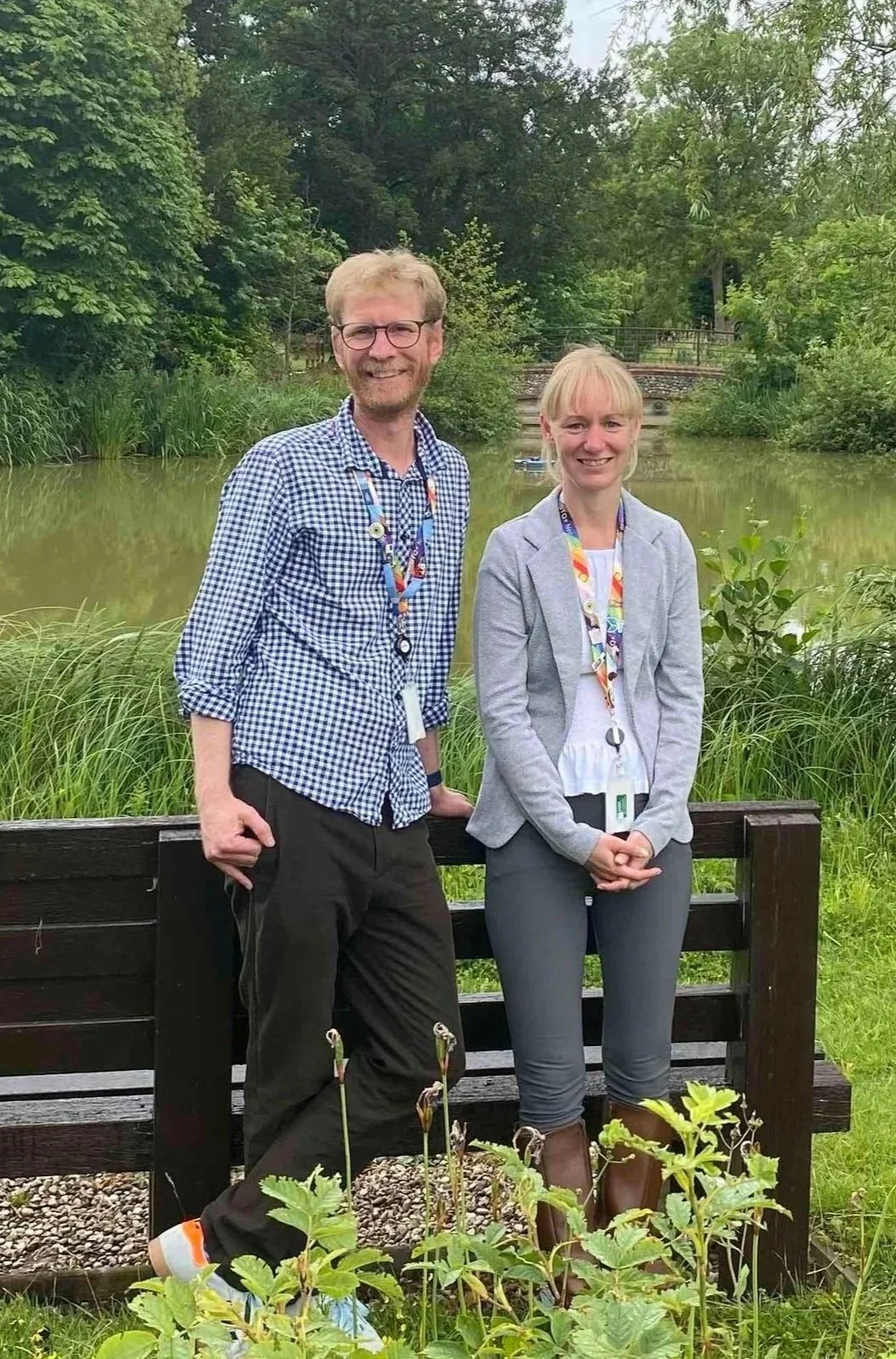
Caroline Howard and Graeme Oatley. Building biodiversity genomics at scale requires more than new technologies—it depends on the people developing the workflows, infrastructure, and expertise that make large-scale genome sequencing possible.