

What Makes a Species Scalable?
What Makes a Species Scalable?
Some species move through large-scale sequencing pipelines far more easily than others.
A species becomes scalable when multiple parts of the workflow align: tissues yield high-quality DNA, sequencing is reliable, genome assembly is relatively straightforward, and standardized laboratory methods can be applied consistently across many samples.
Scalable taxa typically:
Produce high-quality DNA consistently.
Perform well using standardized laboratory workflows.
Sequence and assemble predictably.
Are available in sufficient numbers to support automated production.
Generate relatively few recurring challenges across the pipeline.
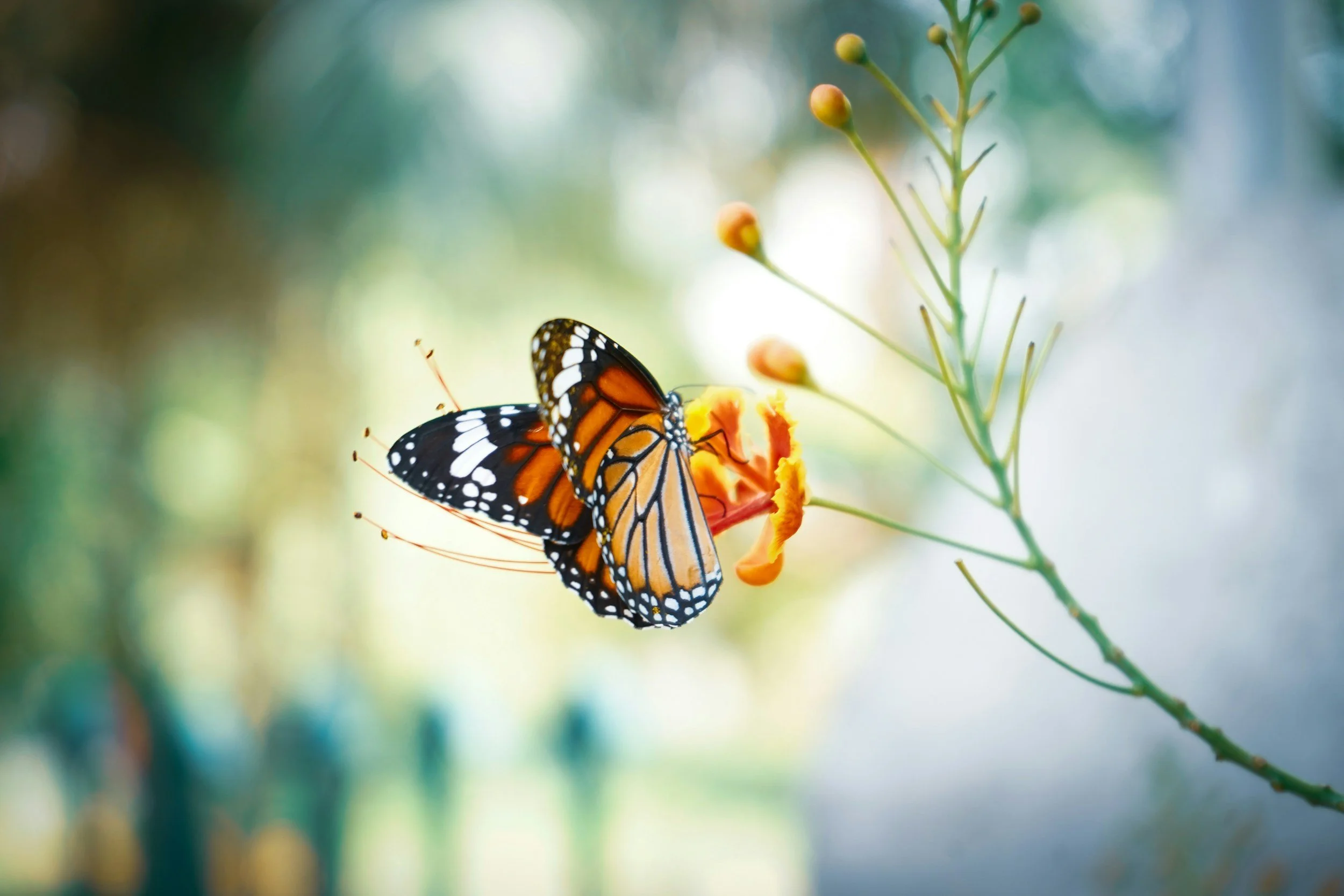
At the Wellcome Sanger Institute, many arthropods—particularly butterflies and moths (Lepidoptera)—now move through centralized production workflows with relatively little specialist intervention.
Other groups remain far more challenging. Protists and many marine organisms can present obstacles at nearly every stage, from DNA extraction and contamination control to amplification, sequencing, and genome assembly.
At the scale of the Earth BioGenome Project, the challenge is no longer simply whether a single genome can be produced. It is whether entire branches of the Tree of Life can move through sequencing infrastructure in a reliable, repeatable, and scalable way.