
Why Taxonomic Expertise Matters.
No two branches of the Tree of Life present the same challenges. Members of the Tree of Life R&D team develop deep expertise in particular taxonomic groups, allowing them to recognize recurring biological problems, refine workflows, and identify the best approaches for different organisms. Together, these specialists enable biodiversity genomics to scale across an extraordinary diversity of life.
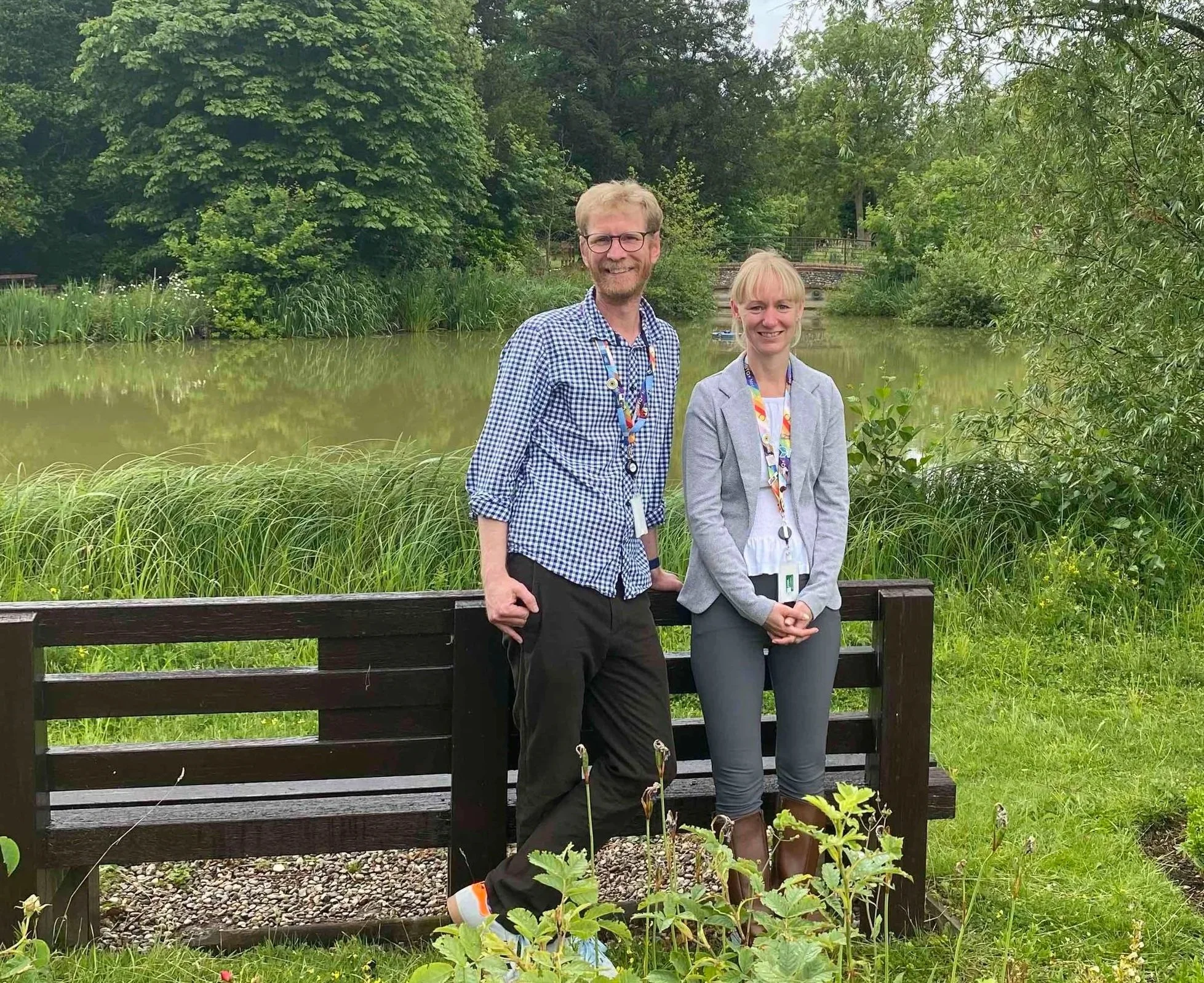
Dr Caroline Howard and Dr Graeme Oatley at the Wellcome Sanger Institute. Their work bridges research and production, helping translate experimental solutions into routine genome sequencing pipelines across the Tree of Life.
Leading R&D at Scale
How the Tree of Life programme R&D team balances innovation, production, and the next generation of biodiversity genomics challenges.
The Tree of Life programme R&D team is not organized solely around laboratory technologies or protocols. Its structure reflects a practical reality: different branches of life present different biological challenges.
Dr Caroline Howard and Dr Graeme Oatley help guide the team's taxon-focused research and development, ensuring that promising experimental methods can eventually become robust production workflows. This involves distinguishing between problems unique to an individual sample, recurring challenges shared across taxonomic groups, and innovations that are mature enough to transition from R&D into routine genome production.
Graeme brings deep experience in DNA extraction, sample preparation, workflow optimization, and troubleshooting difficult taxa, having previously worked on and led R&D efforts on the Aquatic Symbiosis Genomics project. Together, Caroline and Graeme help bridge the gap between bespoke problem-solving and the standardized workflows needed for large-scale biodiversity genomics.
They are also helping address one of the field's next major challenges: reducing dependence on cold-chain logistics. Many current workflows still rely on flash-frozen samples and uninterrupted freezer storage. Developing reliable room-temperature preservation methods could make high-quality genome sequencing more accessible in regions where biodiversity is greatest but cold-storage infrastructure is limited, expanding the global reach of biodiversity genomics.
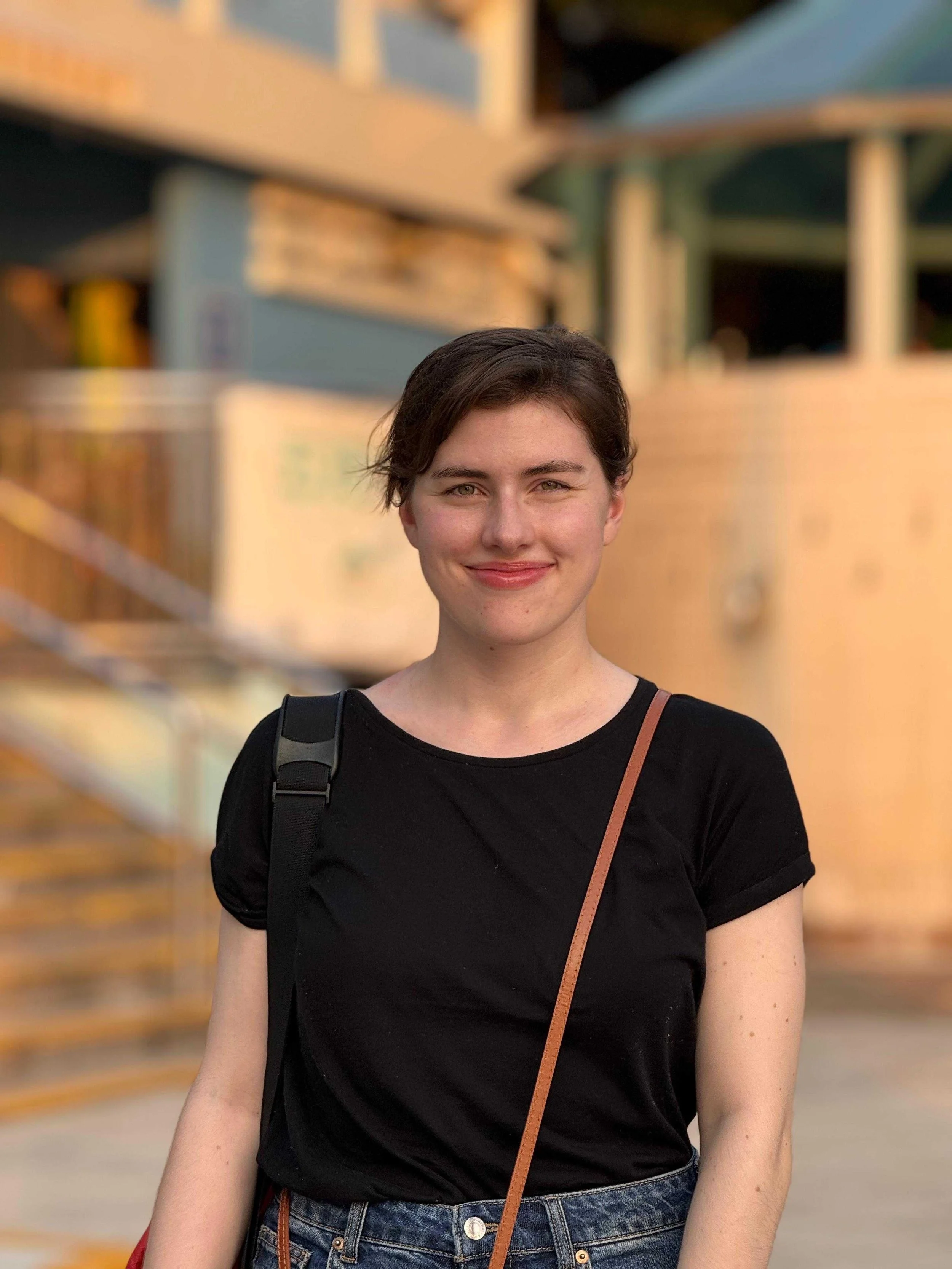
Anna Kovalevskaia, Research Scientist
Arthropods
Some arthropod groups are among the most scalable organisms in biodiversity genomics. In particular, many butterflies and moths (Lepidoptera) now move successfully through automated DNA extraction and sequencing workflows, making them one of the clearest examples of a taxonomic group transitioning from specialist R&D into routine large-scale production.
That does not mean all arthropods are straightforward. Rare species, tiny insects, poorly preserved specimens, contaminated samples, repetitive genomes, and very low DNA yields can still require specialist troubleshooting and method development.
The challenge is recognizing when a taxonomic group is ready for standardized production workflows—and when it still requires dedicated research and development. The success of Lepidoptera reflects years of iterative optimization before these methods became robust enough for routine genome sequencing at scale.
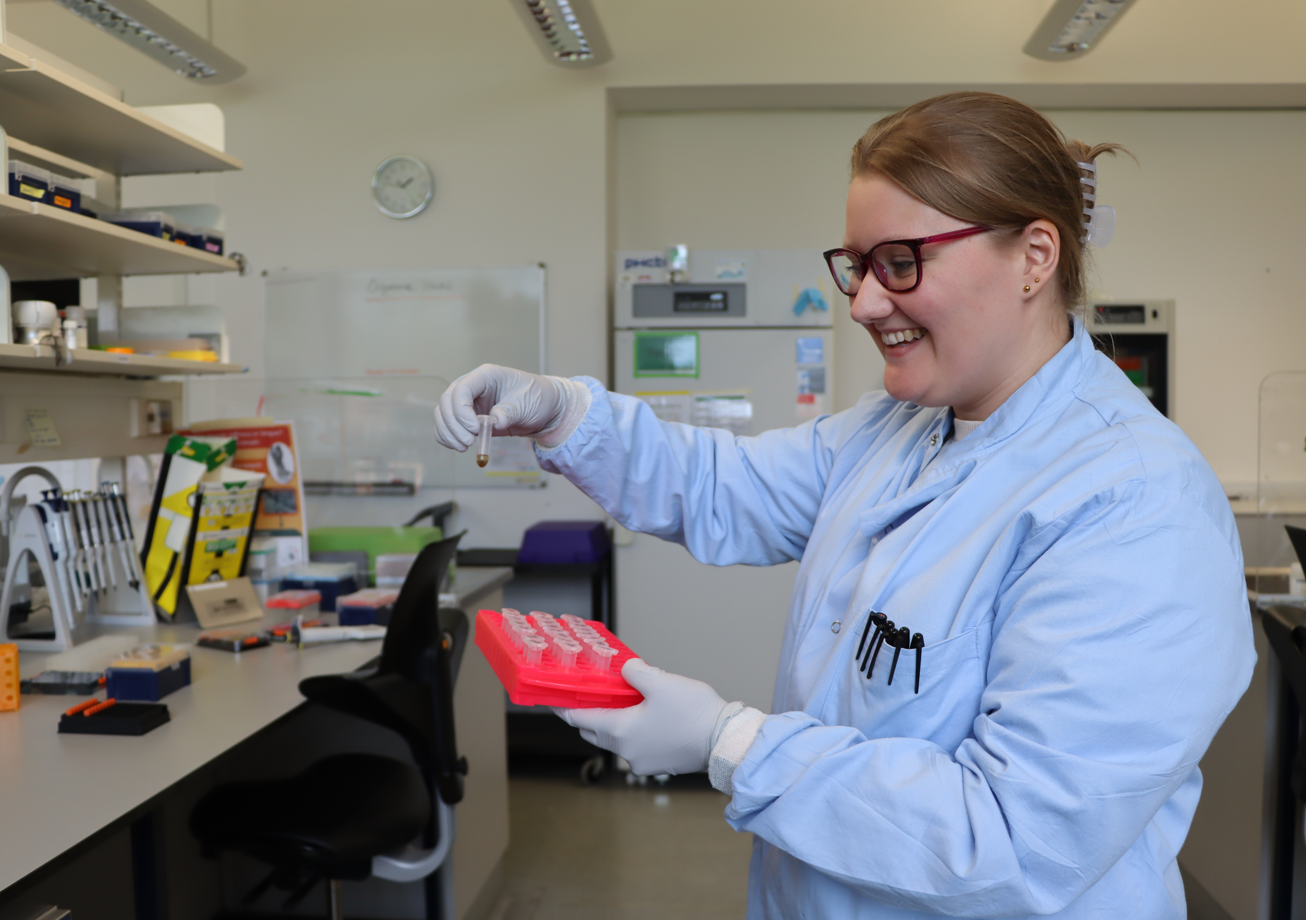
Amy Denton, Technical Specialist
Vertebrates
Vertebrate genomics often involves precious or irreplaceable material: endangered mammals, stranded whales and dolphins, museum specimens, or rare tissues that may never be collected again.
Many fresh, high-quality vertebrate samples move efficiently through established production workflows. But degraded, low-input, or one-of-a-kind specimens require a more cautious approach. Researchers may preserve backup material, perform small-scale test extractions, reserve DNA for alternative sequencing strategies, or adapt laboratory workflows to maximize the chances of success.
Some vertebrate groups present additional technical challenges. Many amphibians, for example, have exceptionally large genomes that increase the complexity, time, and cost of sequencing and genome assembly.
Balancing efficiency with flexibility is one of the defining challenges of biodiversity genomics. While large-scale production depends on standardized workflows, some samples are simply too valuable—or too technically challenging—to be treated as routine.
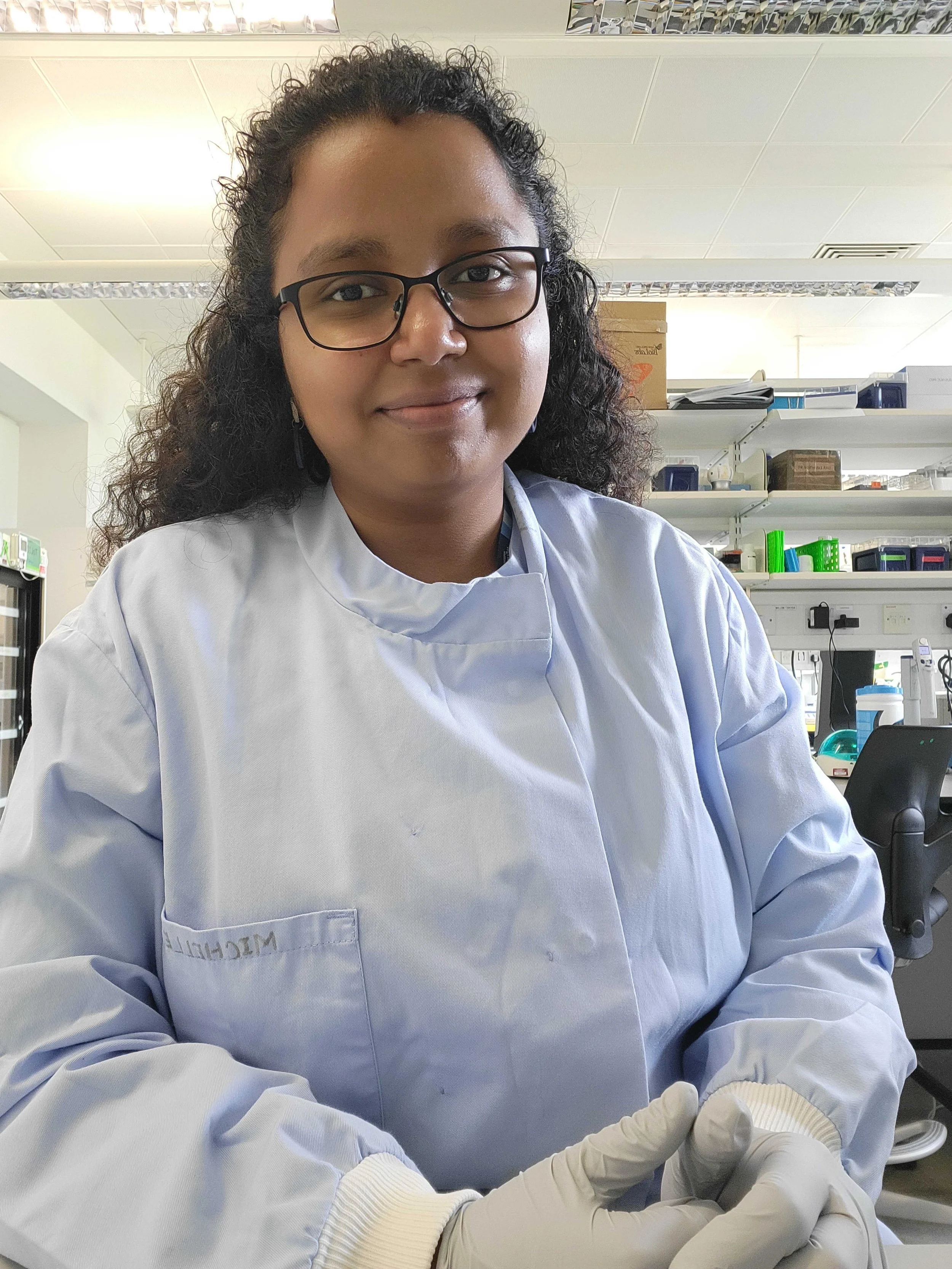
Priyanka Sethu Raman, Research Scientist
Fungi
Fungi can be challenging to scale because DNA extraction success varies widely across different groups. Tough cell walls, chitin, polysaccharides, secondary metabolites, microbial associations, contamination, repetitive genomes, and diverse growth forms can all interfere with DNA extraction, sequencing, and genome assembly.
Some fungi move efficiently through established workflows, particularly when high-quality, clean cultures are available. Others remain in R&D much longer because their biology continues to disrupt standard laboratory methods.
For fungi, the challenge is rarely a single bottleneck. More often, it is the combination of extraction difficulty, contamination, and genome complexity that requires specialist expertise before a workflow can become routine.
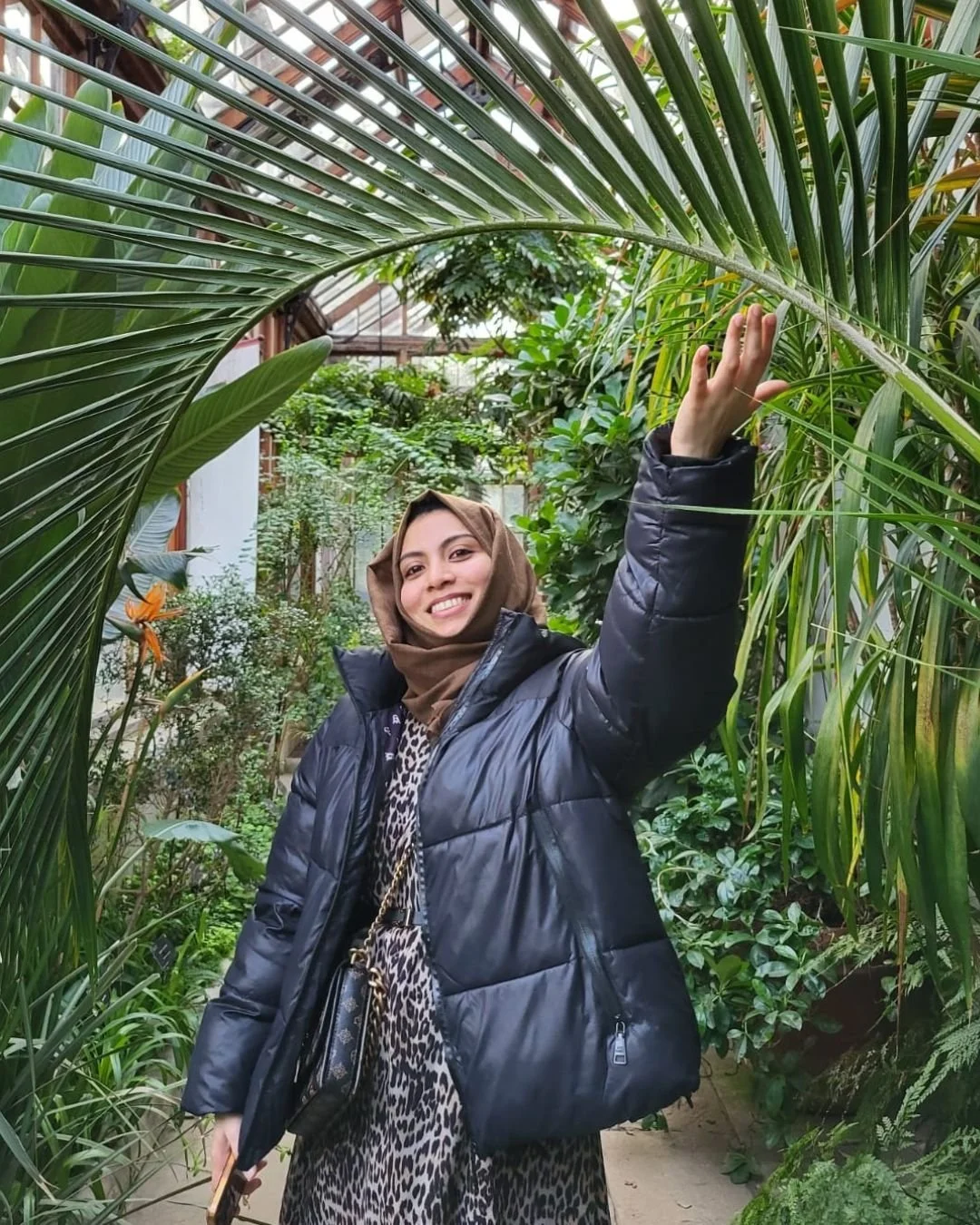
Nashma Thesin, Research Scientist
Plants
Plants often challenge genome sequencing workflows because their tissues contain compounds that interfere with DNA extraction and downstream sequencing. Polysaccharides, secondary metabolites, degraded DNA, and highly repetitive genomes can all reduce DNA quality or complicate genome assembly.
Tissue choice matters. Preservation matters. Genome size matters.
Some plant groups move efficiently through automated extraction workflows once methods have been optimized. Others—particularly species with chemically challenging tissues, degraded samples, or exceptionally large genomes—still require specialist troubleshooting and method development.
For plants, scaling depends on recognizing which samples are ready for standardized production, which workflows are already reliable, and which species require a different approach from the outset.
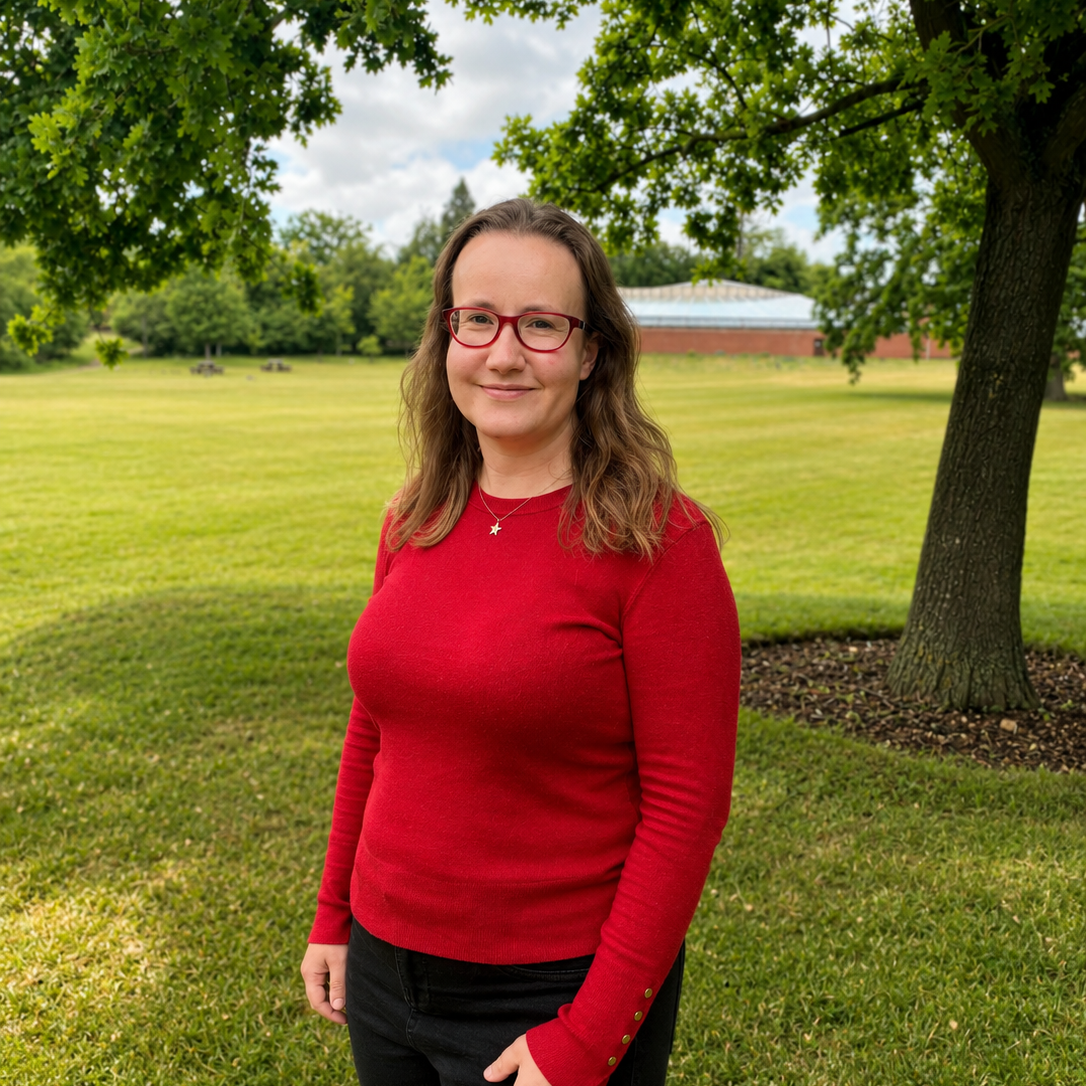
Elizabeth (Liz) Sinclair, Research Scientist
Protists, Difficult Marine Organisms, and Other Metazoa
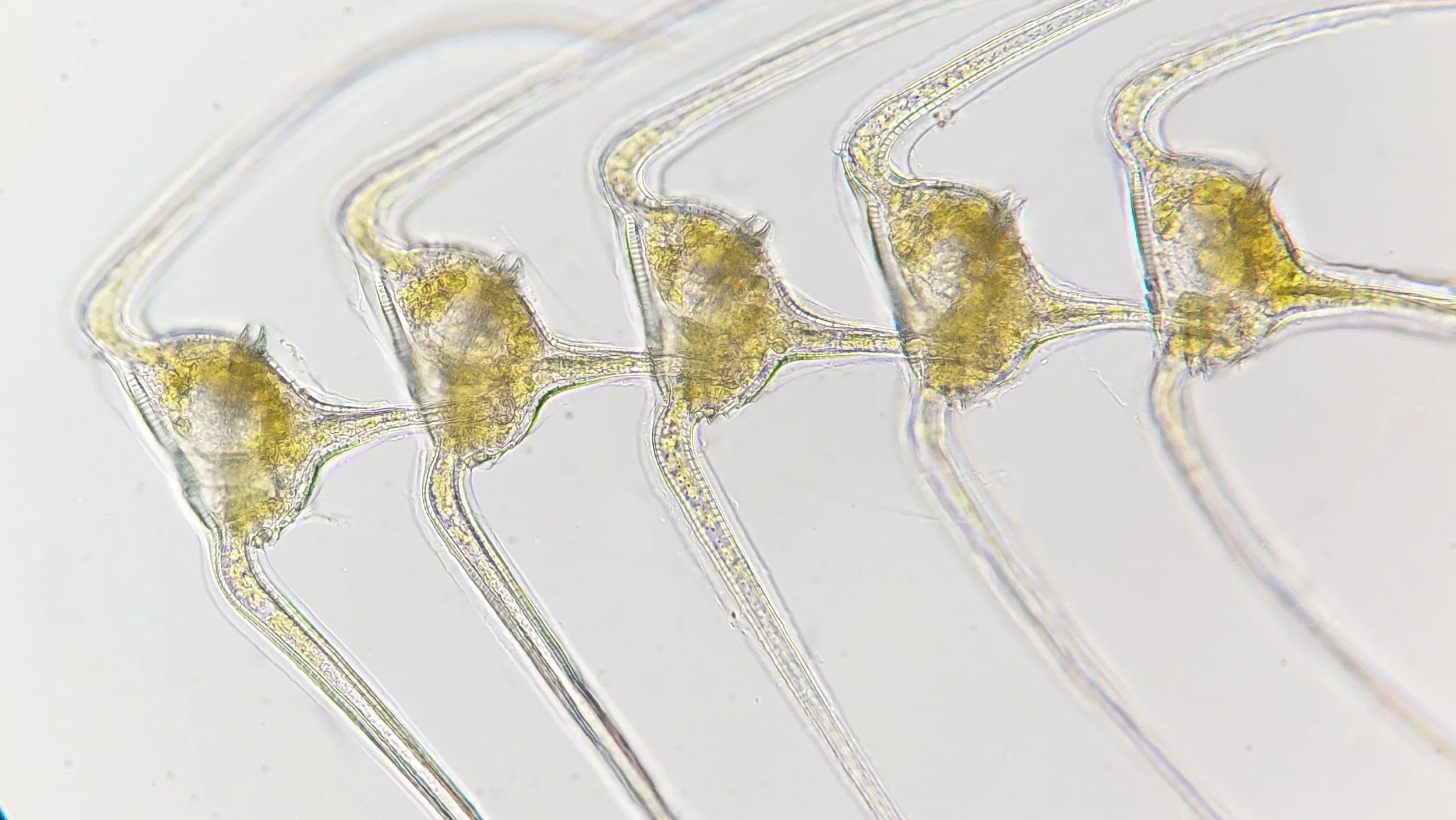
Protists and many difficult marine organisms remain among the most challenging groups in biodiversity genomics. They can create problems at every stage of the workflow, from DNA extraction and sequencing to genome assembly and downstream analysis.
A strong understanding of each taxonomic group is essential for selecting appropriate extraction methods. High levels of polysaccharides, polyphenols, and other inhibitory compounds can interfere with DNA library preparation and sequencing. Low biomass, contamination, unusual nuclear biology, repetitive genomes, and complex genome architecture can introduce further challenges.
Symbiotic organisms such as corals and sponges present an additional layer of complexity. Sequencing data often contain DNA from diverse microbial communities living alongside the host, making it difficult to distinguish the target genome from associated organisms.
These samples frequently require tailored approaches, including selective enrichment, microbial depletion, modified extraction protocols, additional DNA clean-up steps, or adaptive sequencing strategies. As Dr Howard noted, "There's not one answer for protists."
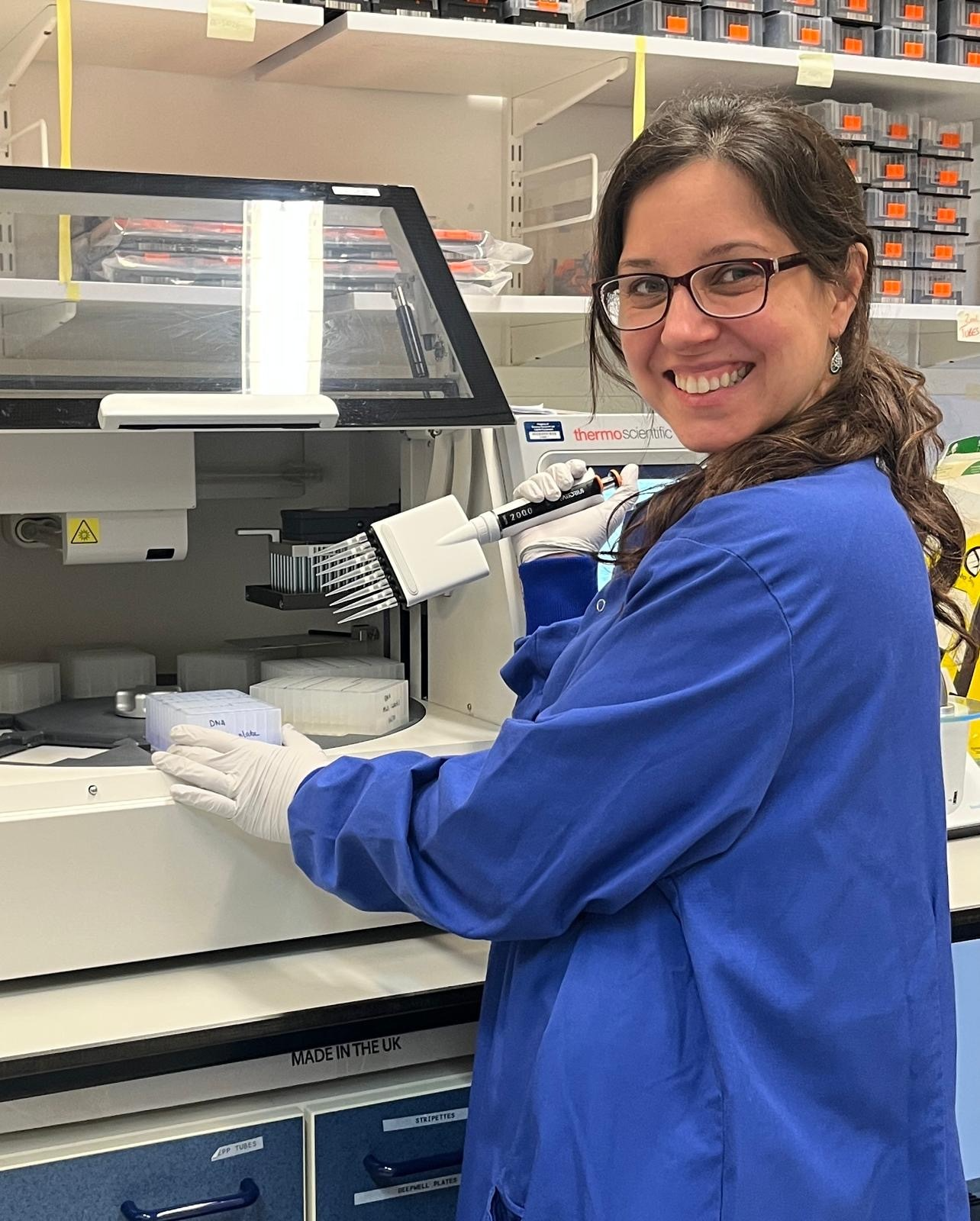
Dr Raquel Vionette do Amaral, Research Scientist
Microscopic Species
Microscopic organisms such as tardigrades, rotifers, and nematodes present some of the greatest low-input challenges in biodiversity genomics. Many yield only tiny amounts of starting material—sometimes just a few hundred picograms of DNA—while contamination can quickly overwhelm the target genome.
Small body size, low biomass, degraded specimens, whole-genome amplification requirements, amplification bias, and single-organism sequencing all complicate DNA extraction, library preparation, and genome assembly. Generating high-quality genomic data from these species often requires highly specialized, labour-intensive methods, along with extensive protocol optimization and troubleshooting.
Some microscopic taxa are beginning to move into standardized low-input workflows. Others still require specialist R&D approaches designed for ultra-low DNA quantities and single-organism or near-single-organism sequencing, illustrating that scaling biodiversity genomics depends on continually expanding the range of workflows available for the smallest branches of the Tree of Life.
Research Assistants
Charlotte and Halyna
Charlotte and Halyna support both routine genome production and the specialist R&D that underpins it. Working across a wide range of taxa, they assist with DNA extractions, protocol development, method optimization, and the testing of new laboratory workflows.
Their role helps bridge day-to-day sample processing with the experimental work needed to solve challenging biological problems. As new methods are refined and validated, they can transition from the R&D laboratory into routine production, expanding the capacity to sequence biodiversity at scale.
This keeps the focus on their contribution to the overall pipeline rather than simply listing tasks, and it mirrors the central message of the feature: R&D and production are part of a continuous feedback loop.